Interthinking

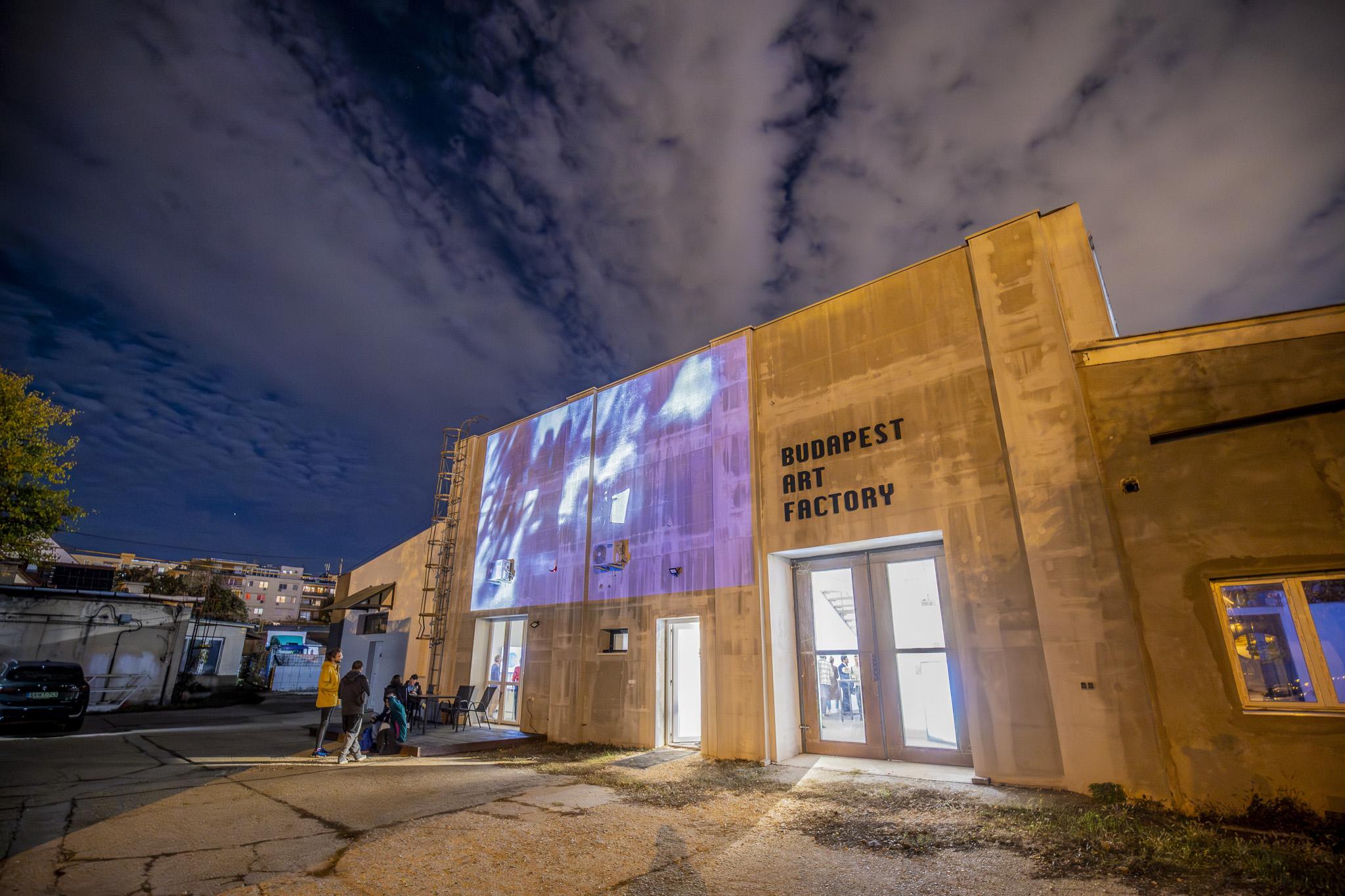
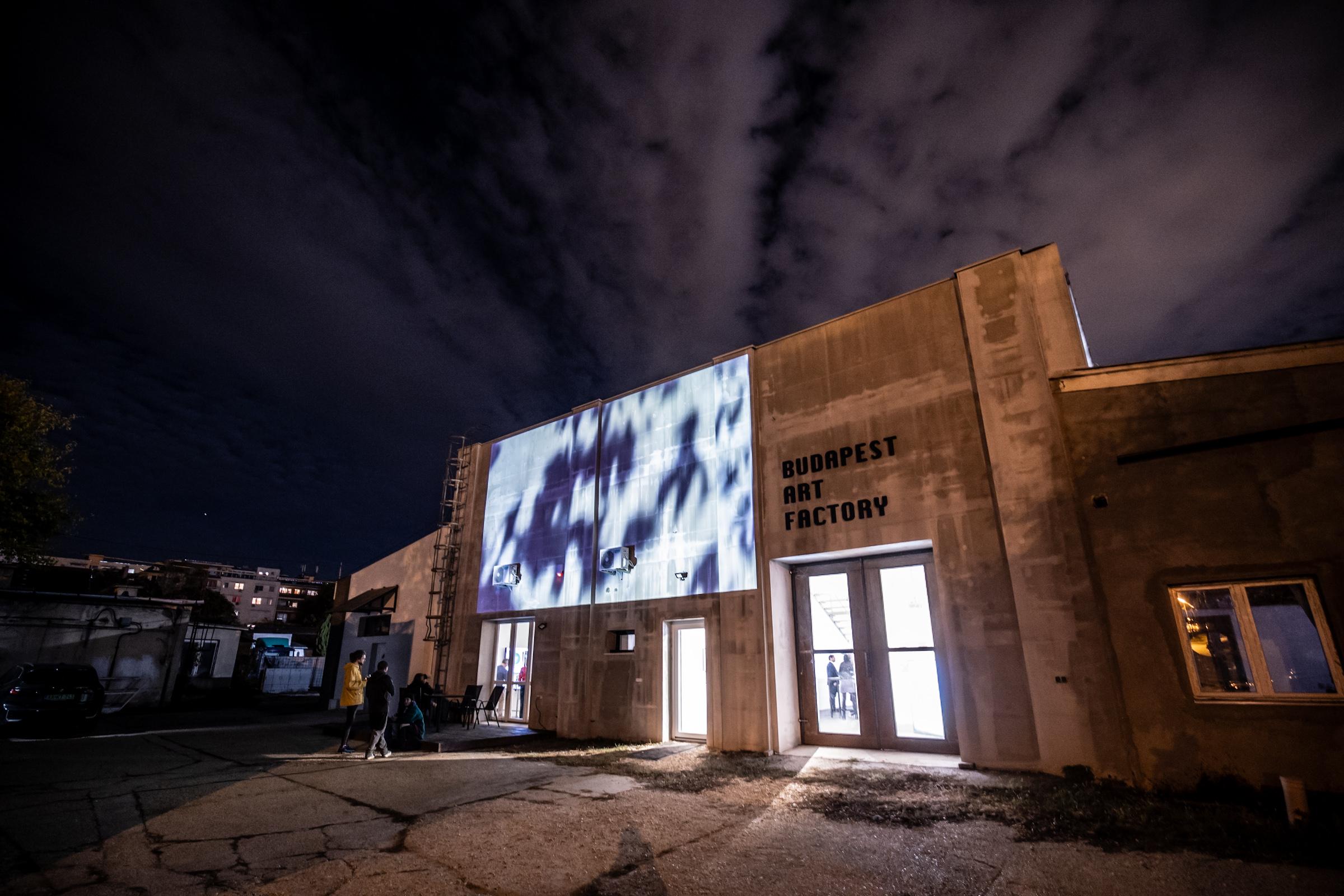
Interthinking – Budapest Art Factory

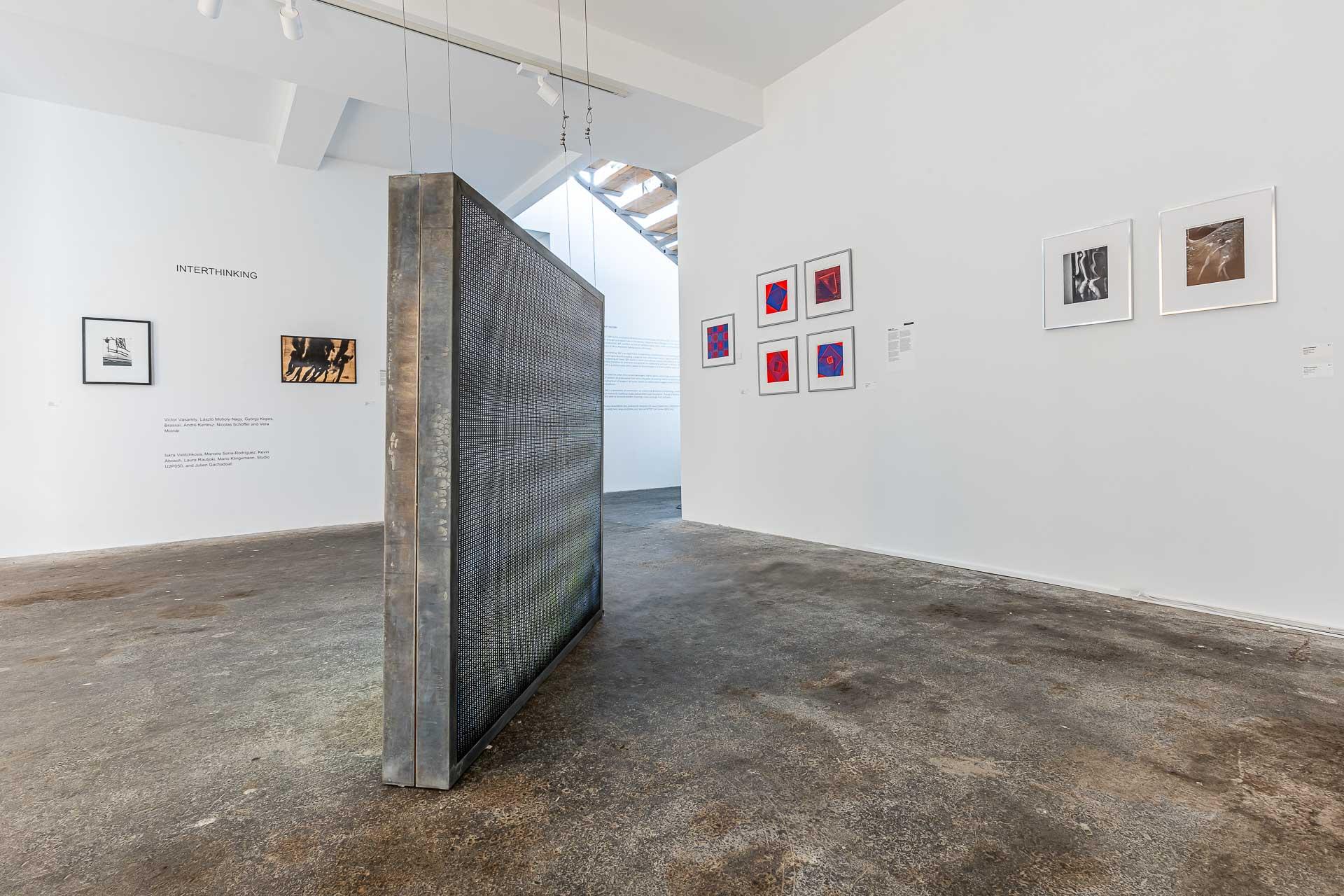
INTERTHINKING, CURATED BY KATE VASS GALERIE IN COLLABORATION WITH KEPES INSTITUTE

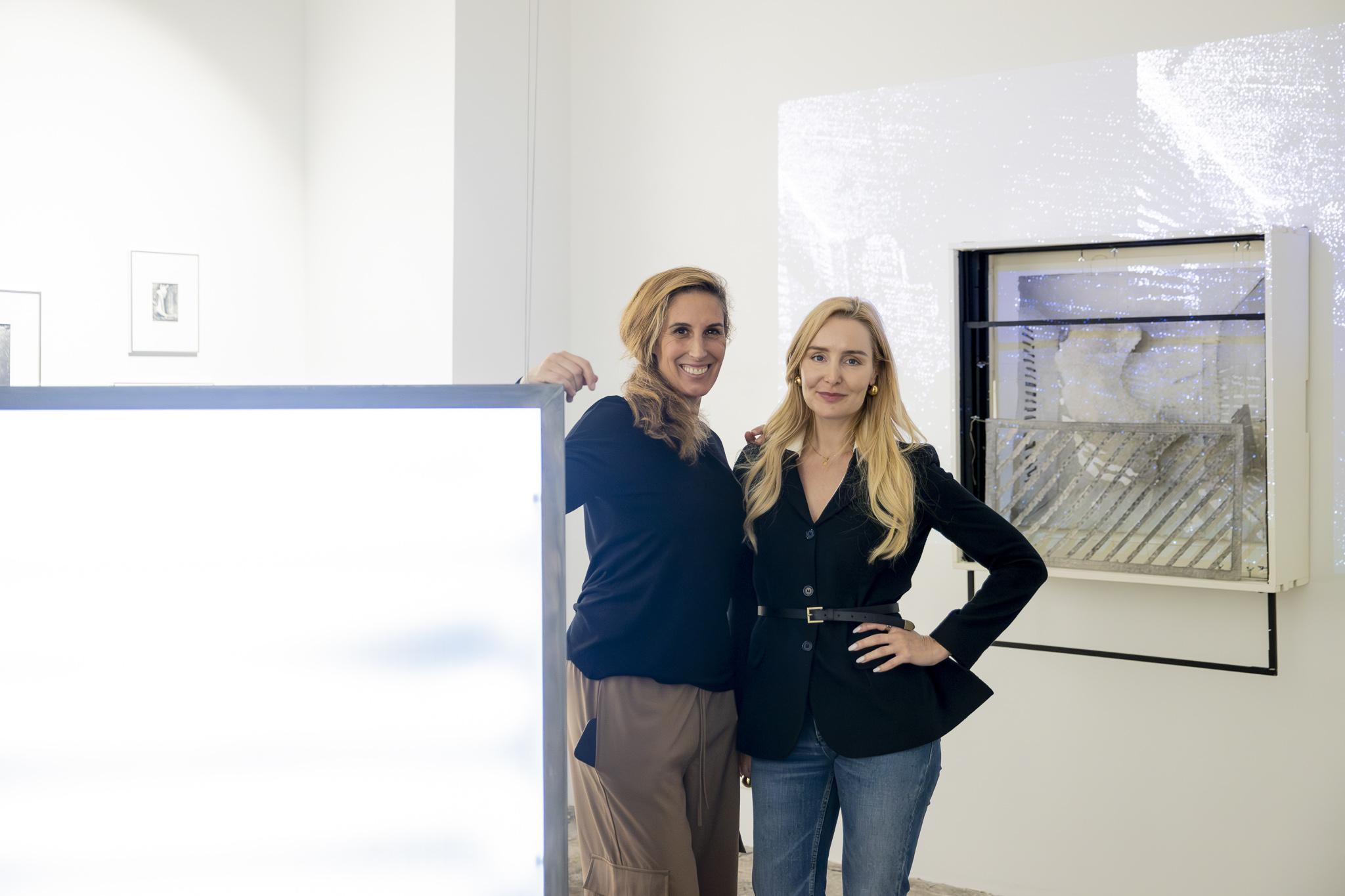
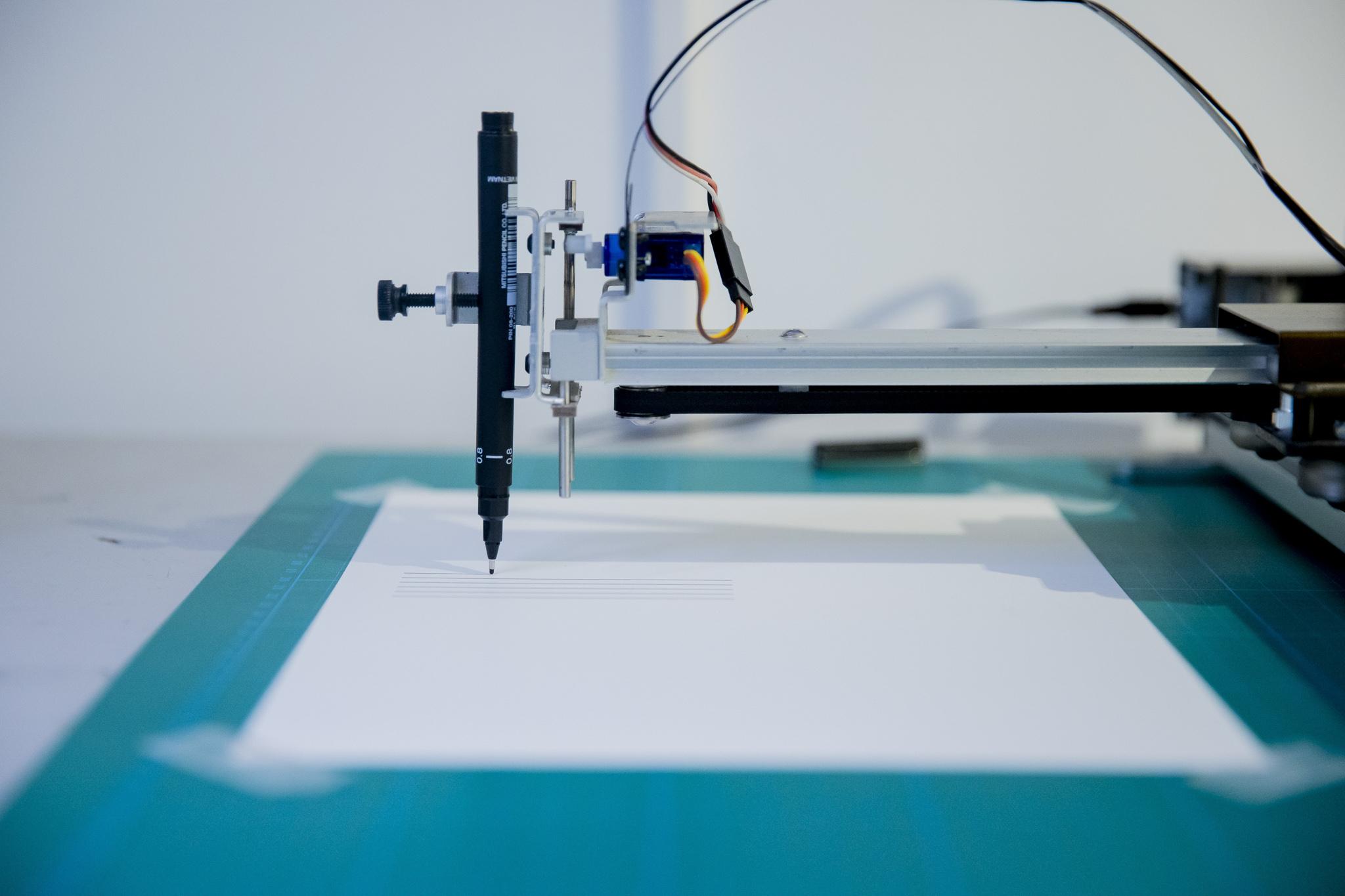
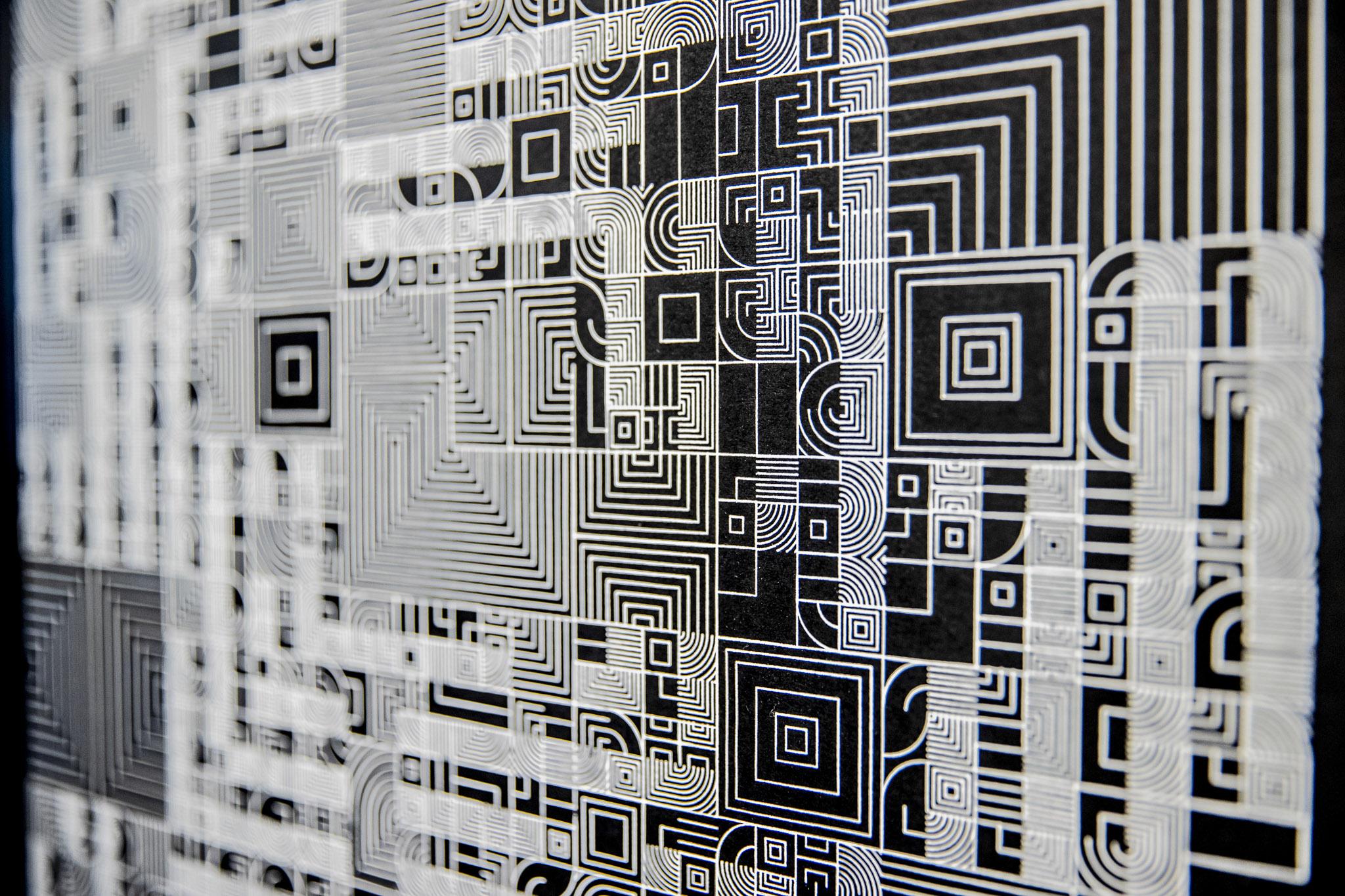
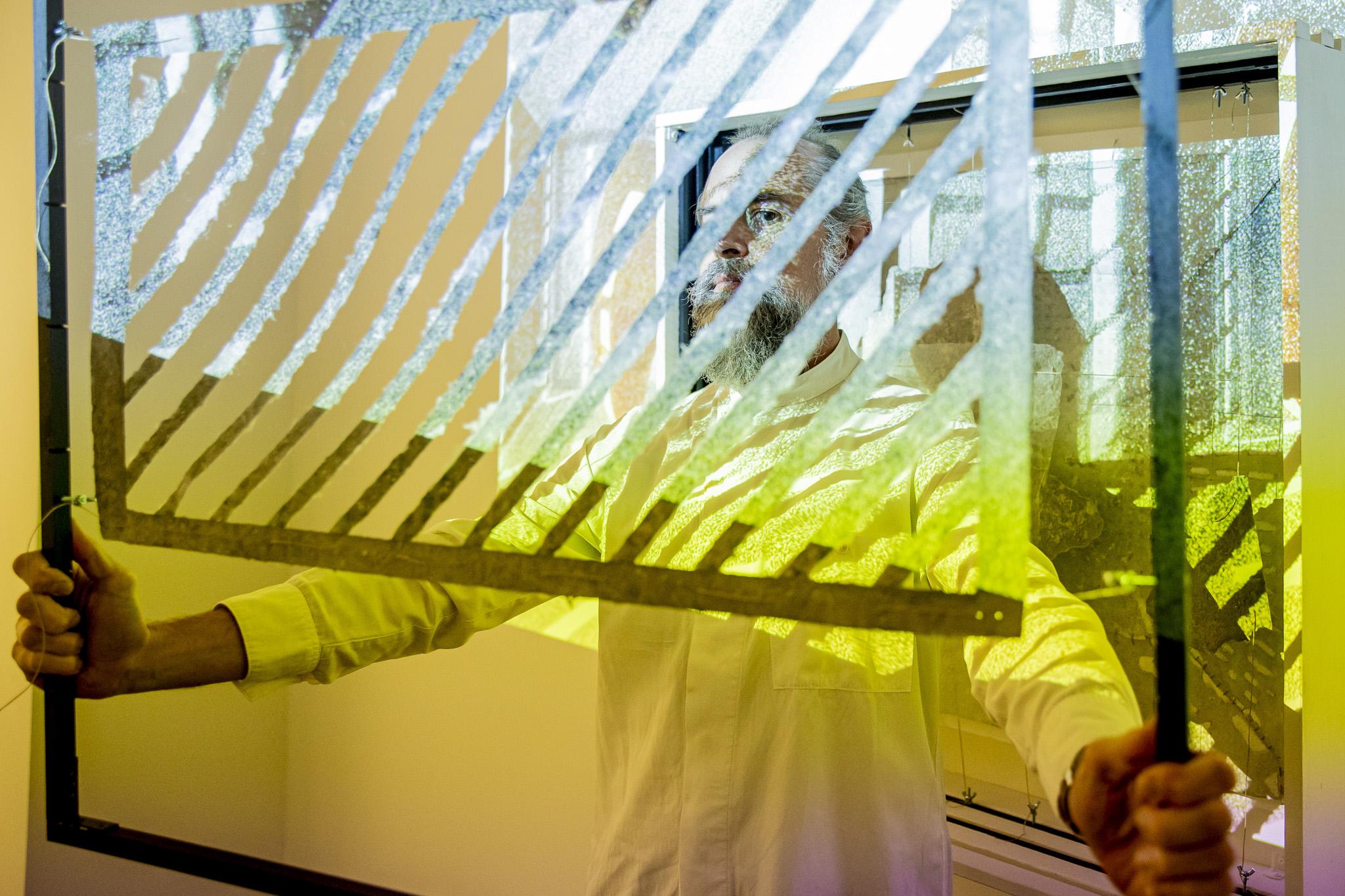
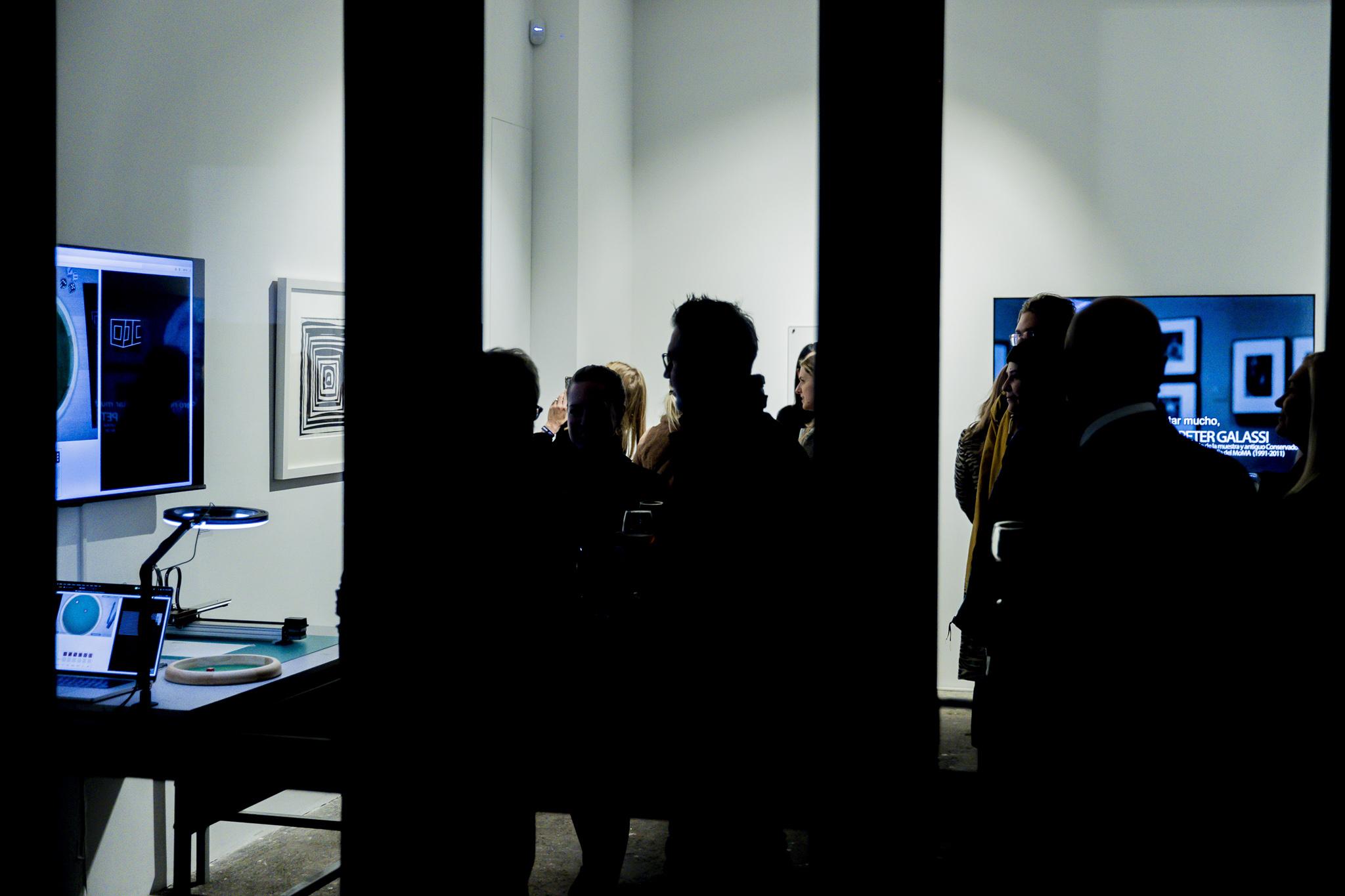
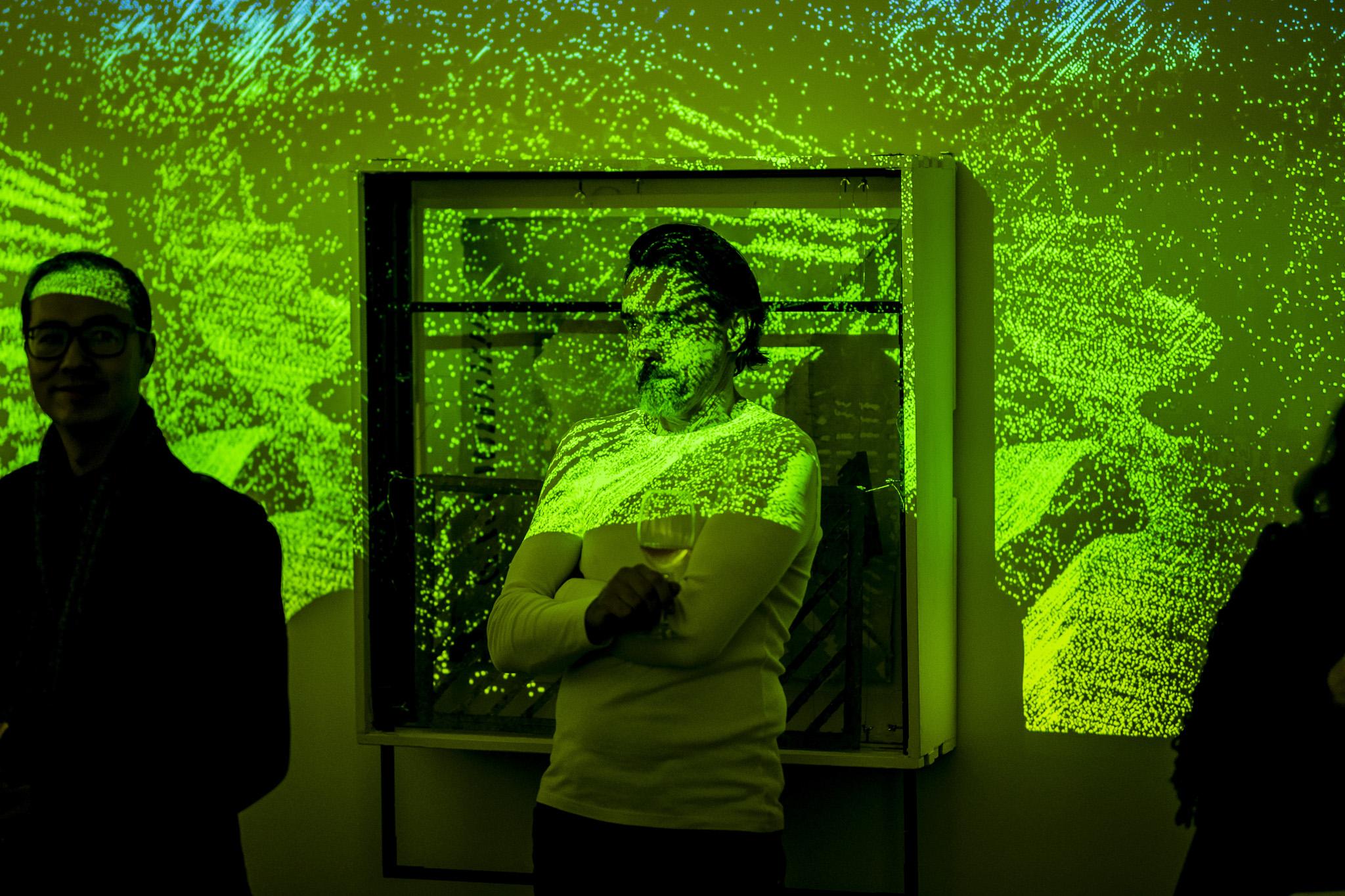
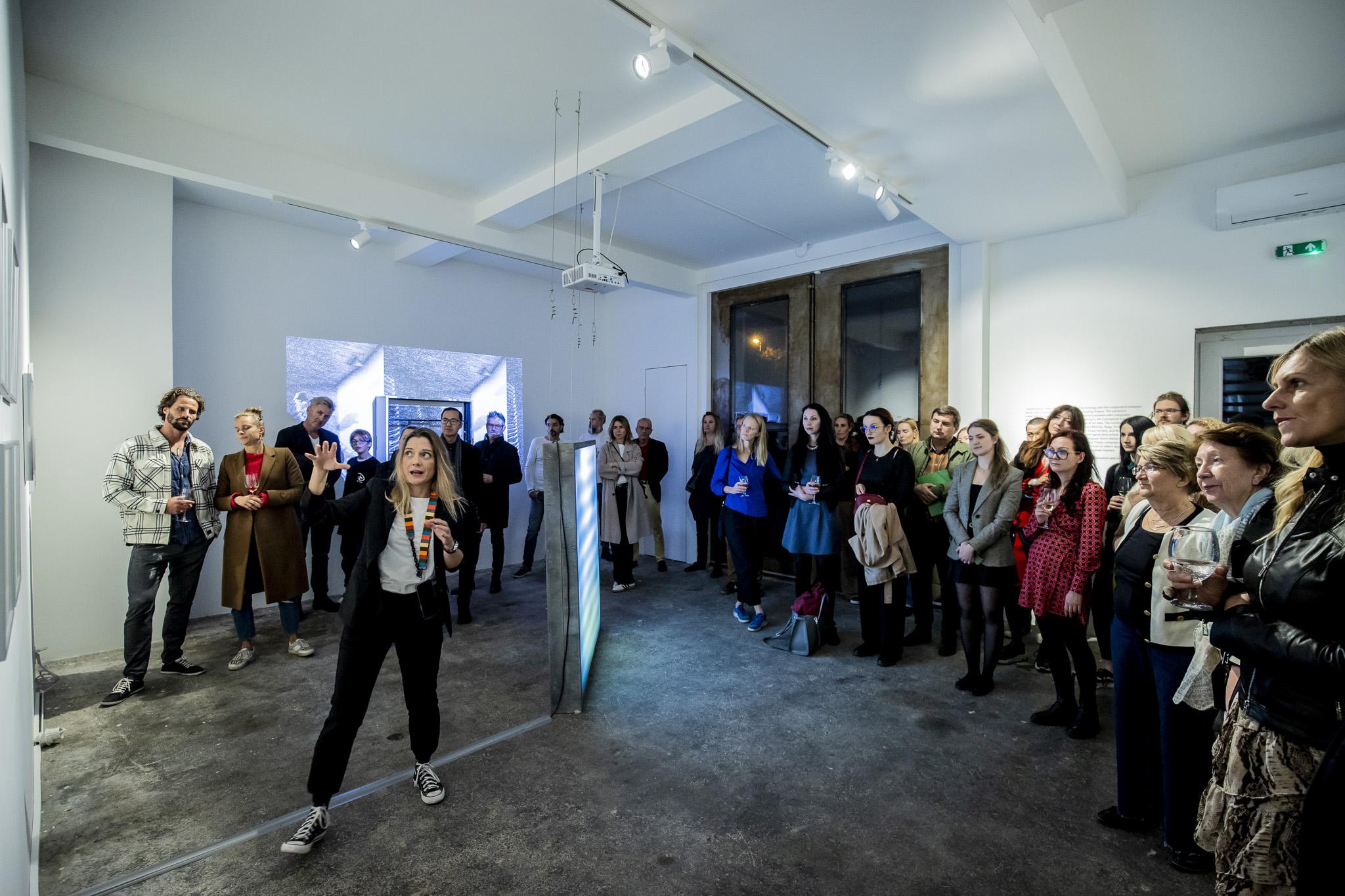
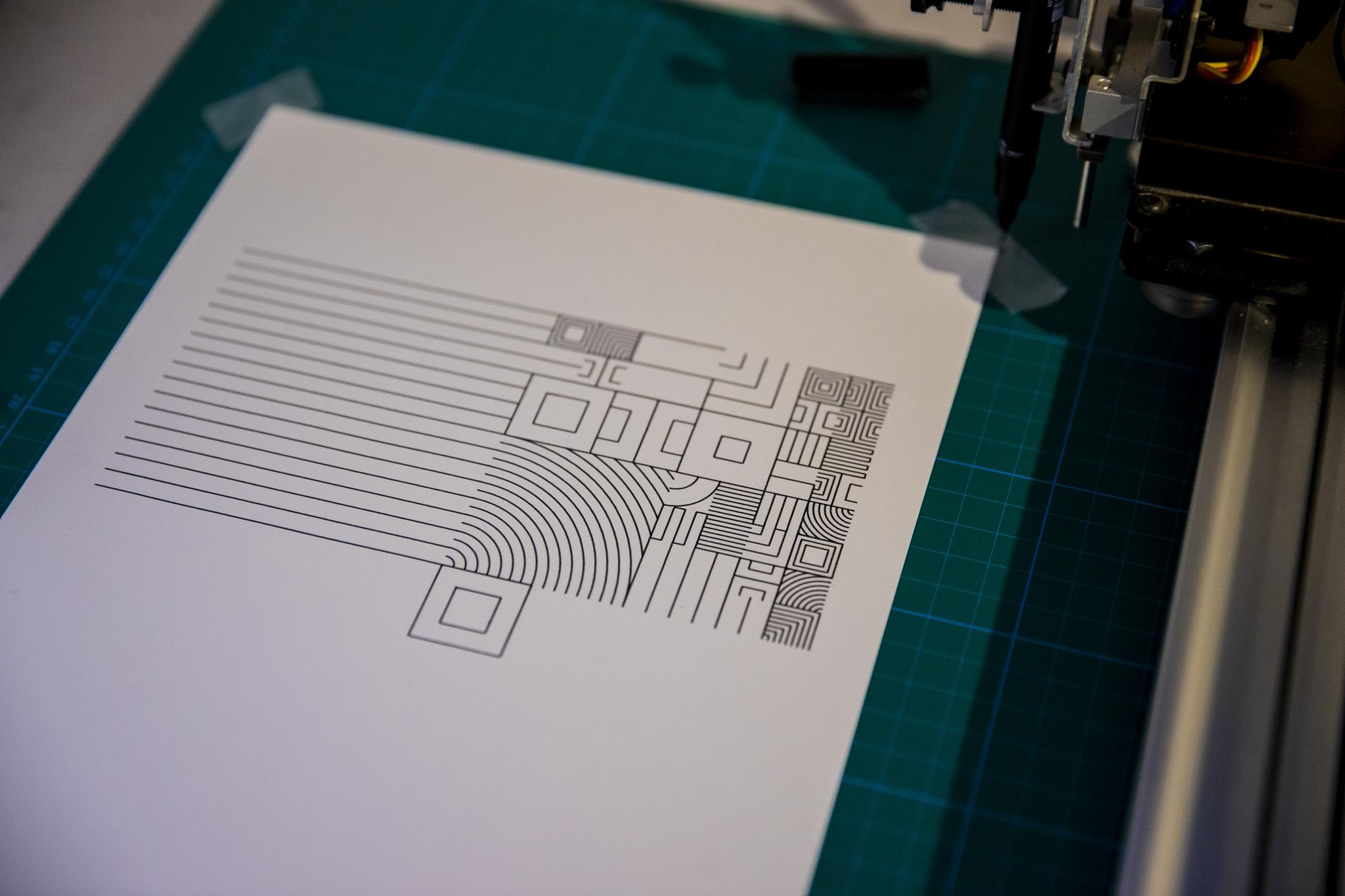
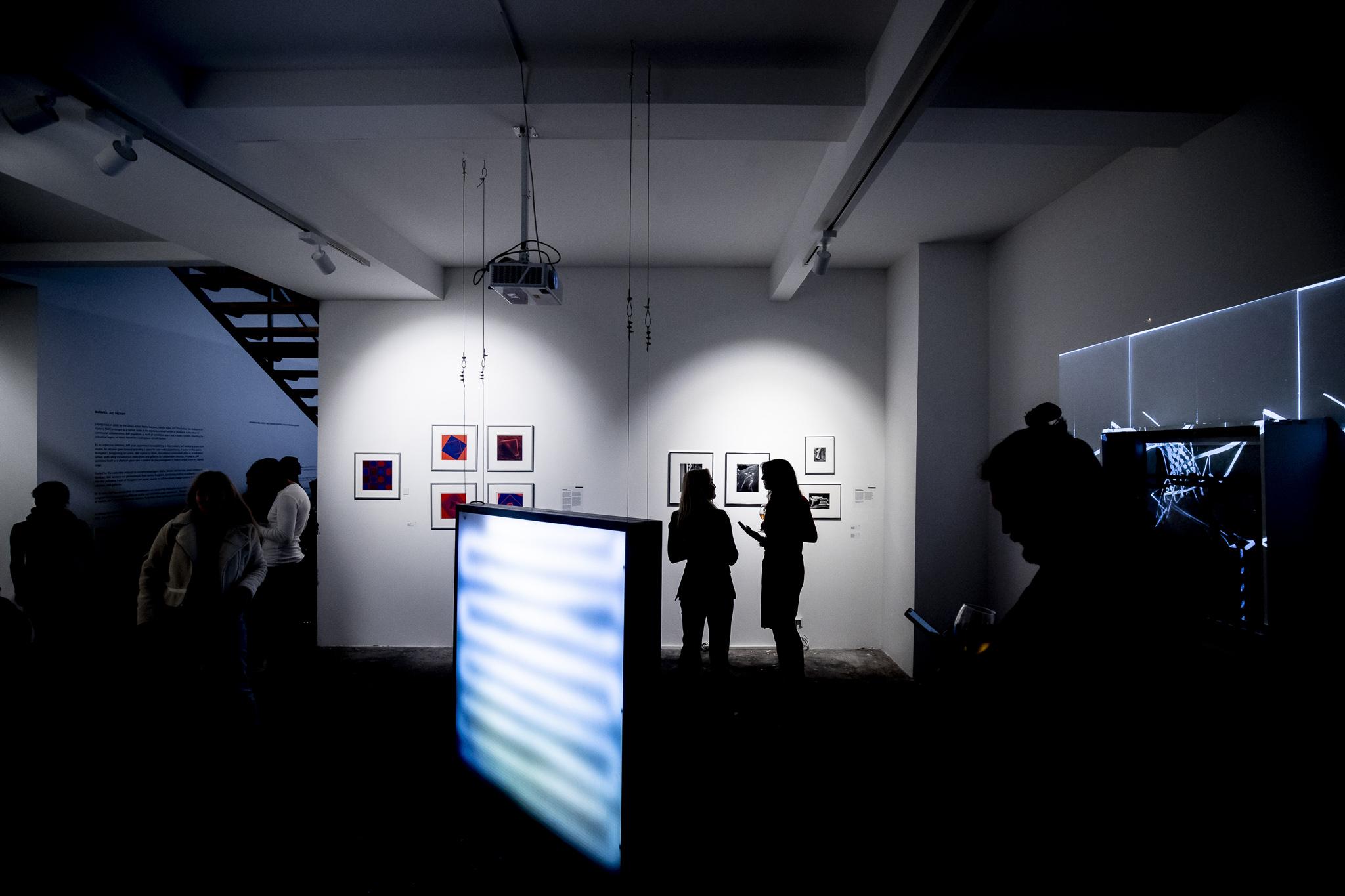
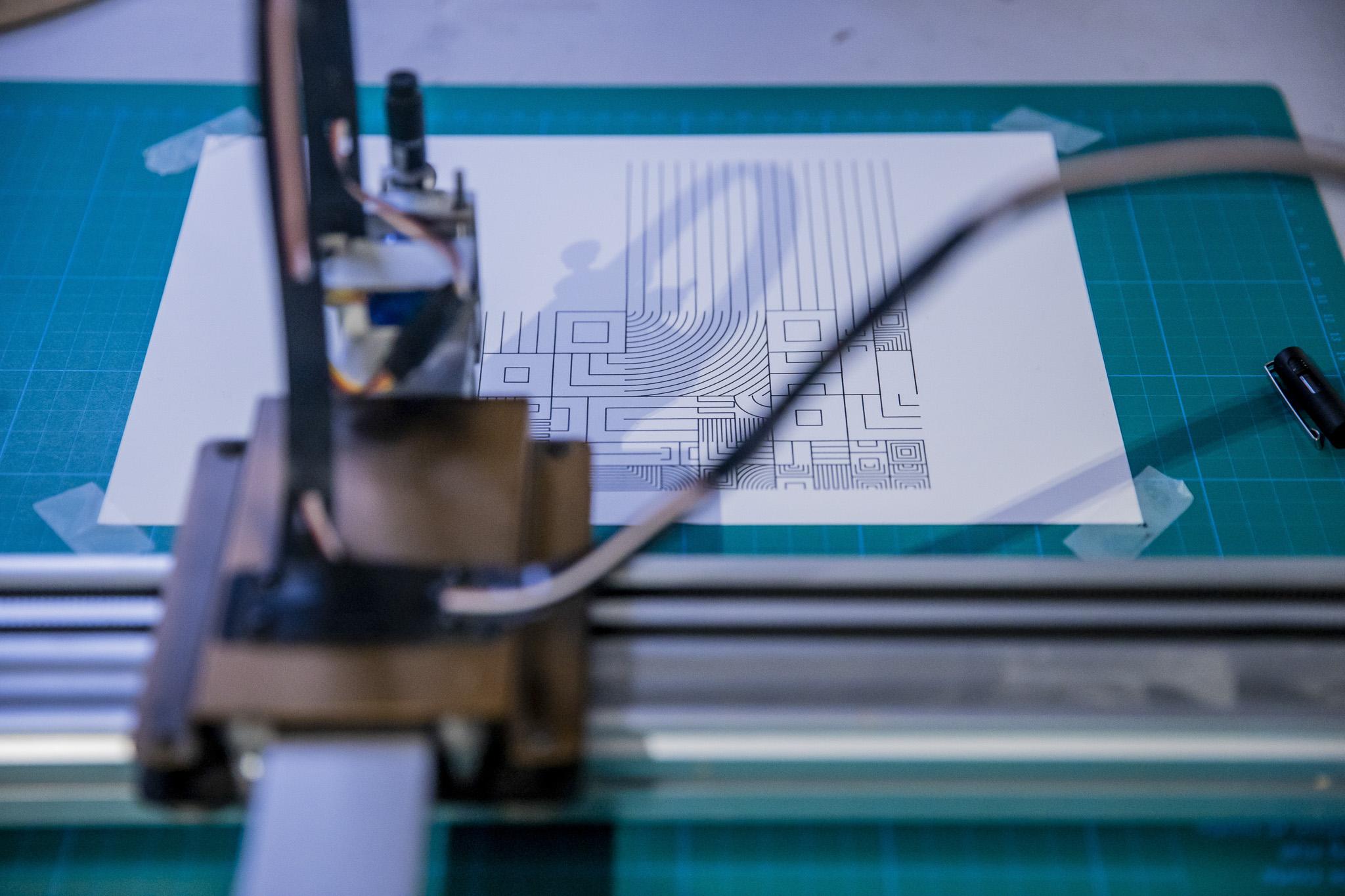
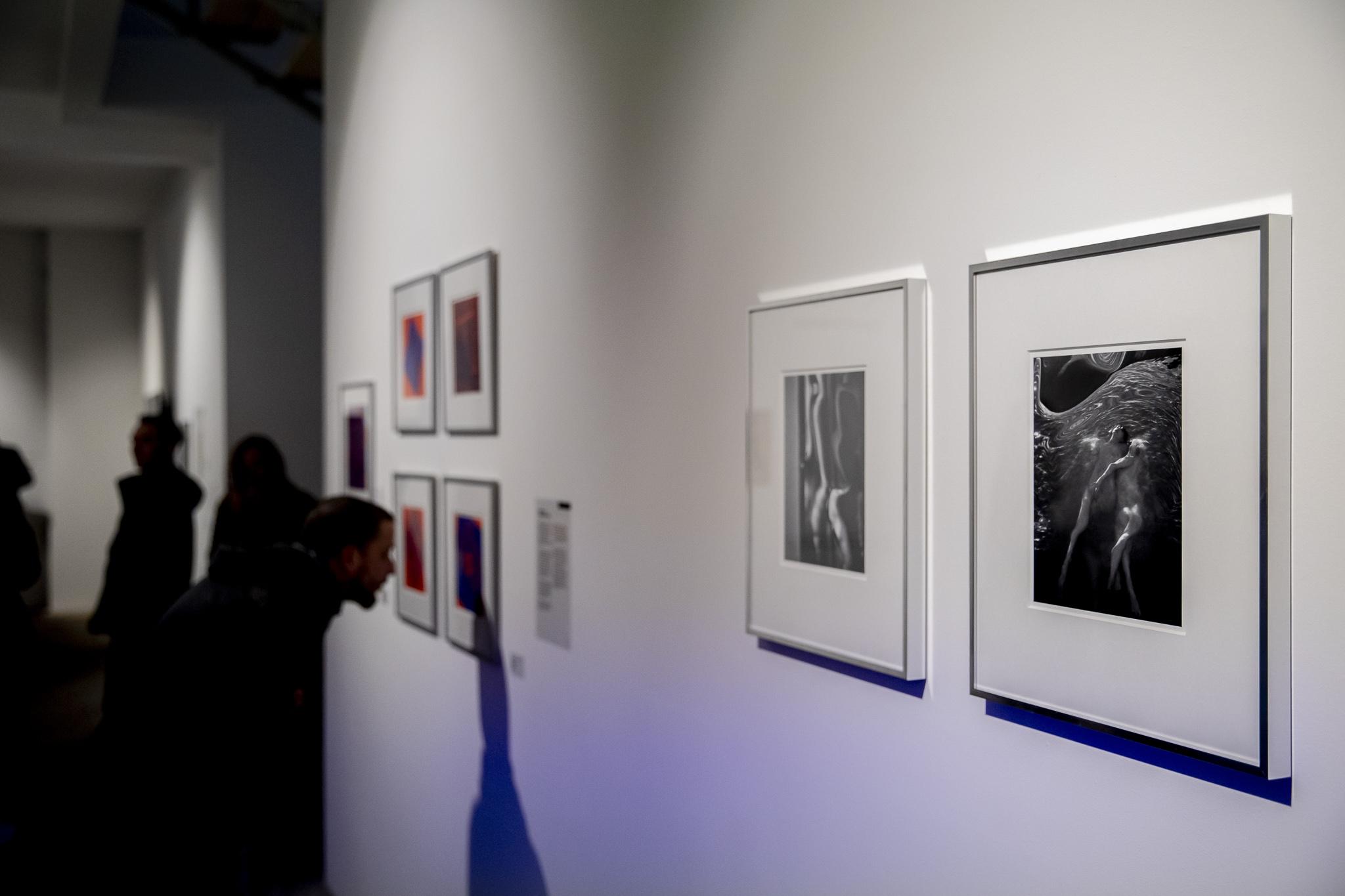
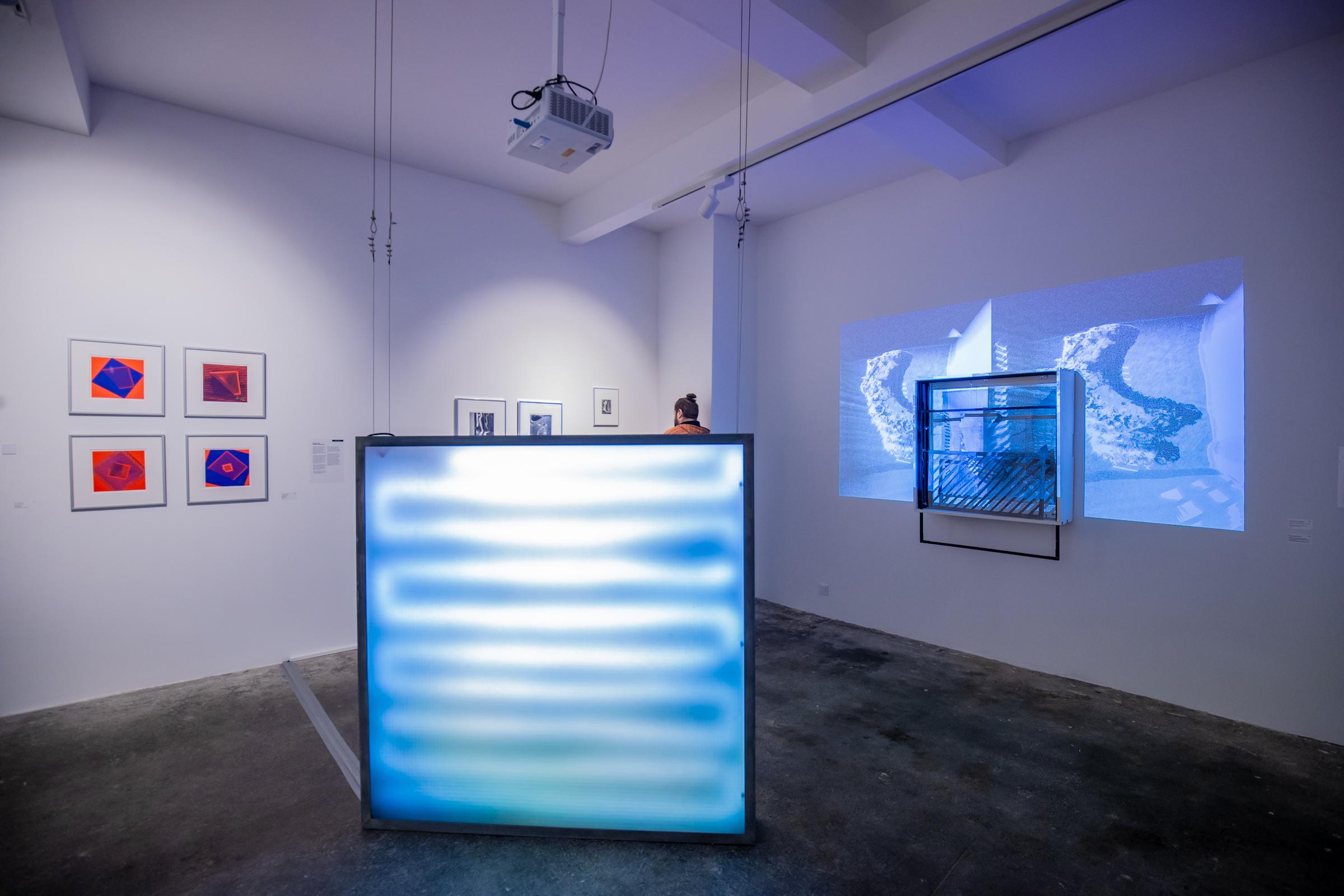
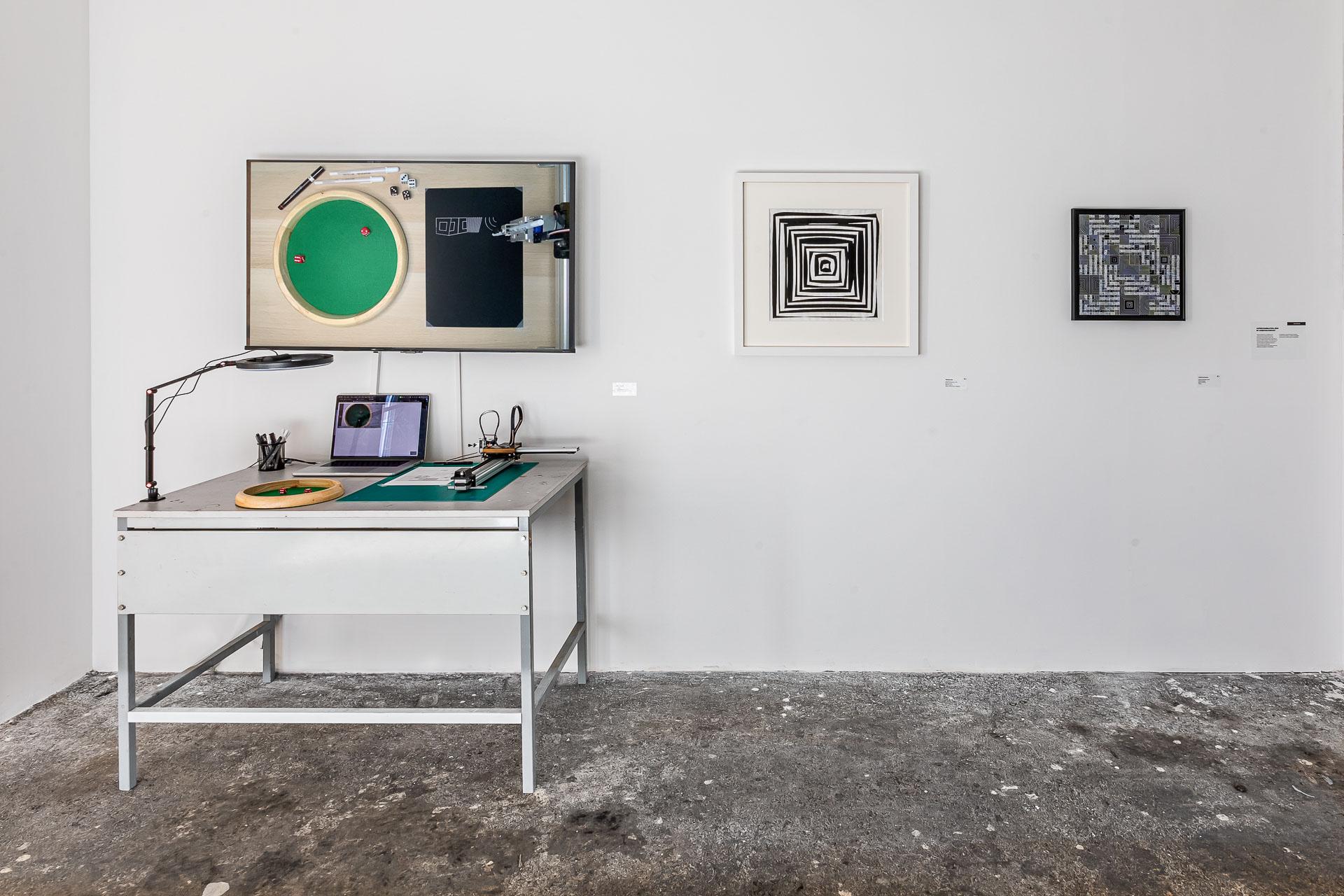
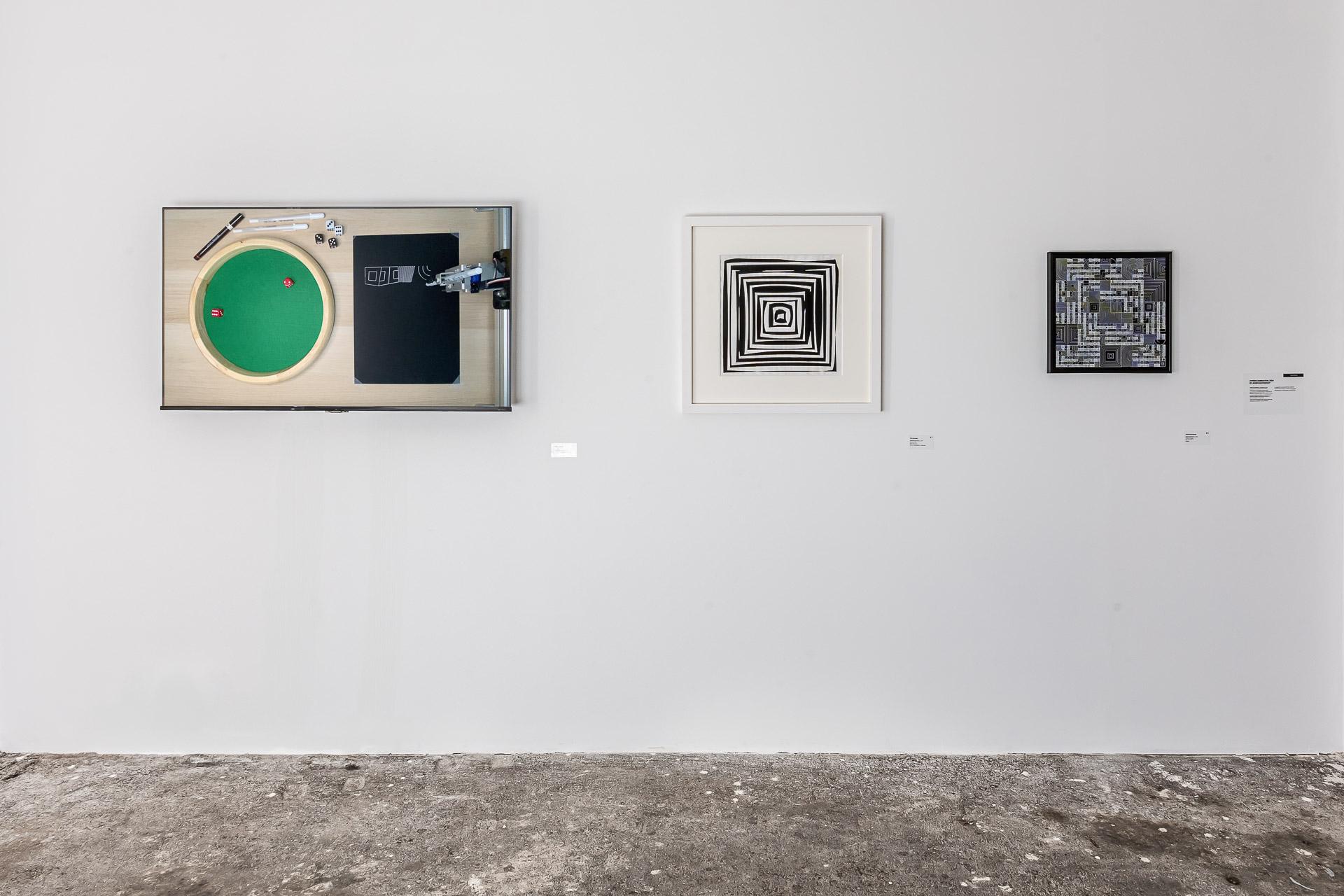
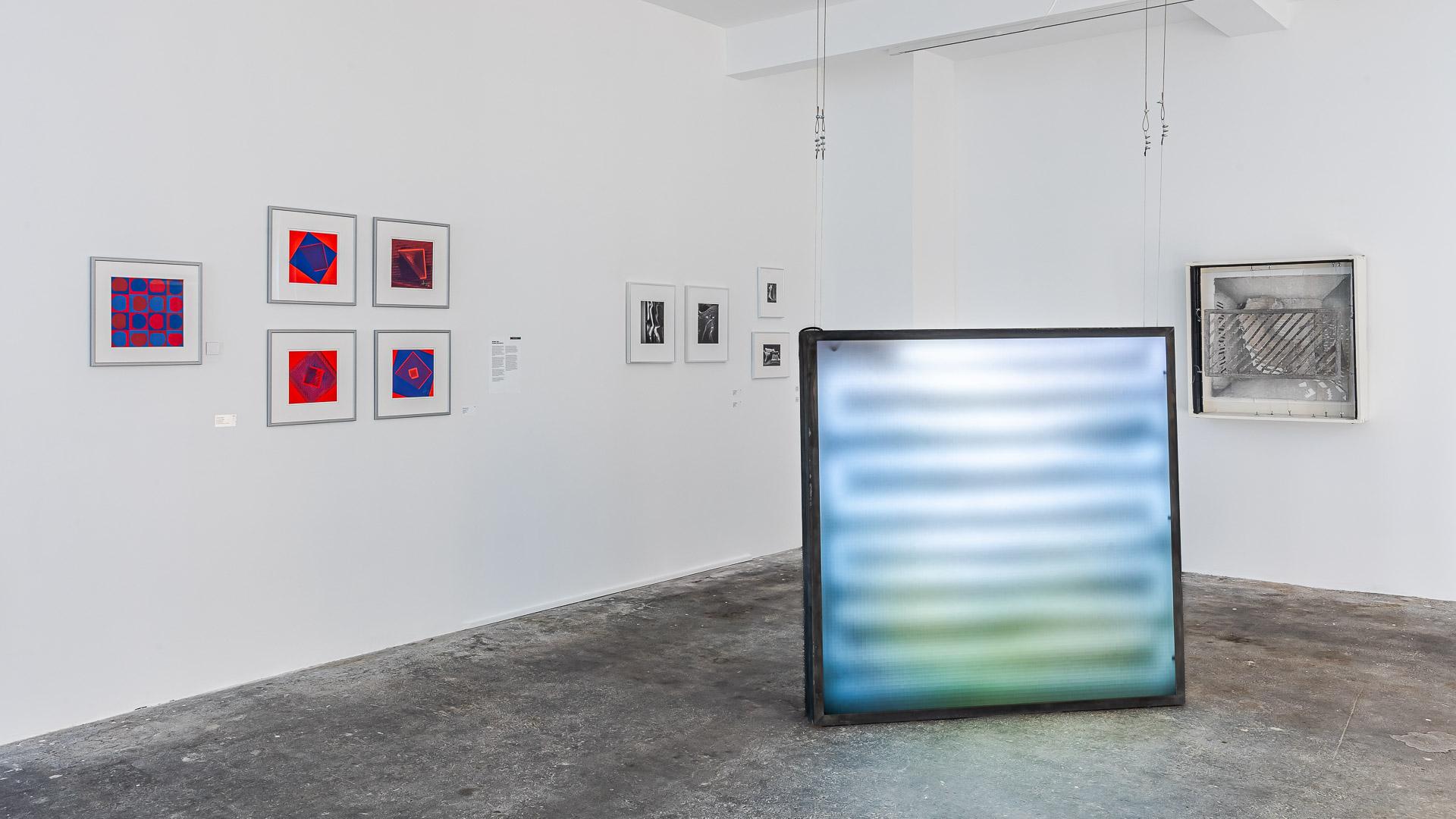
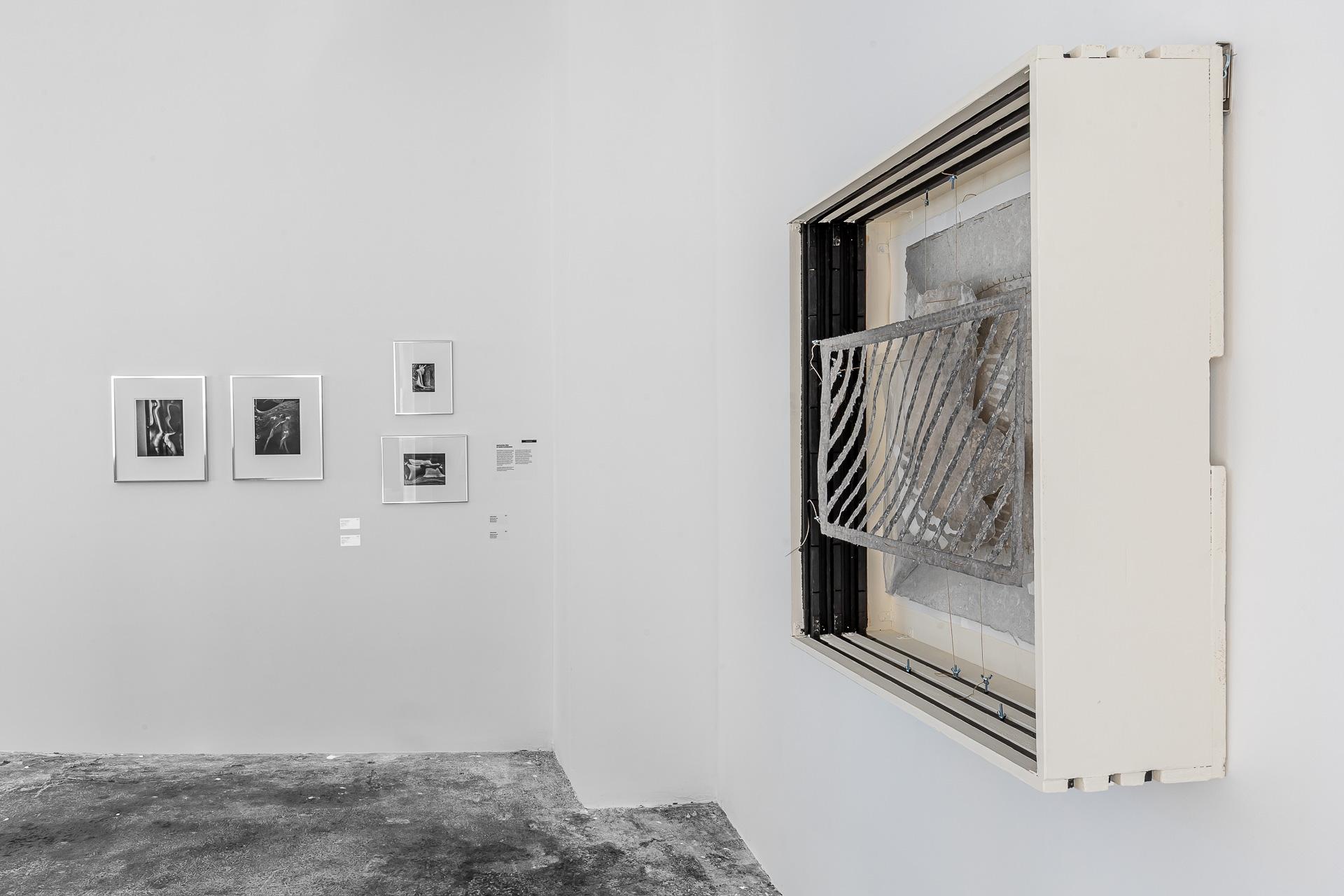
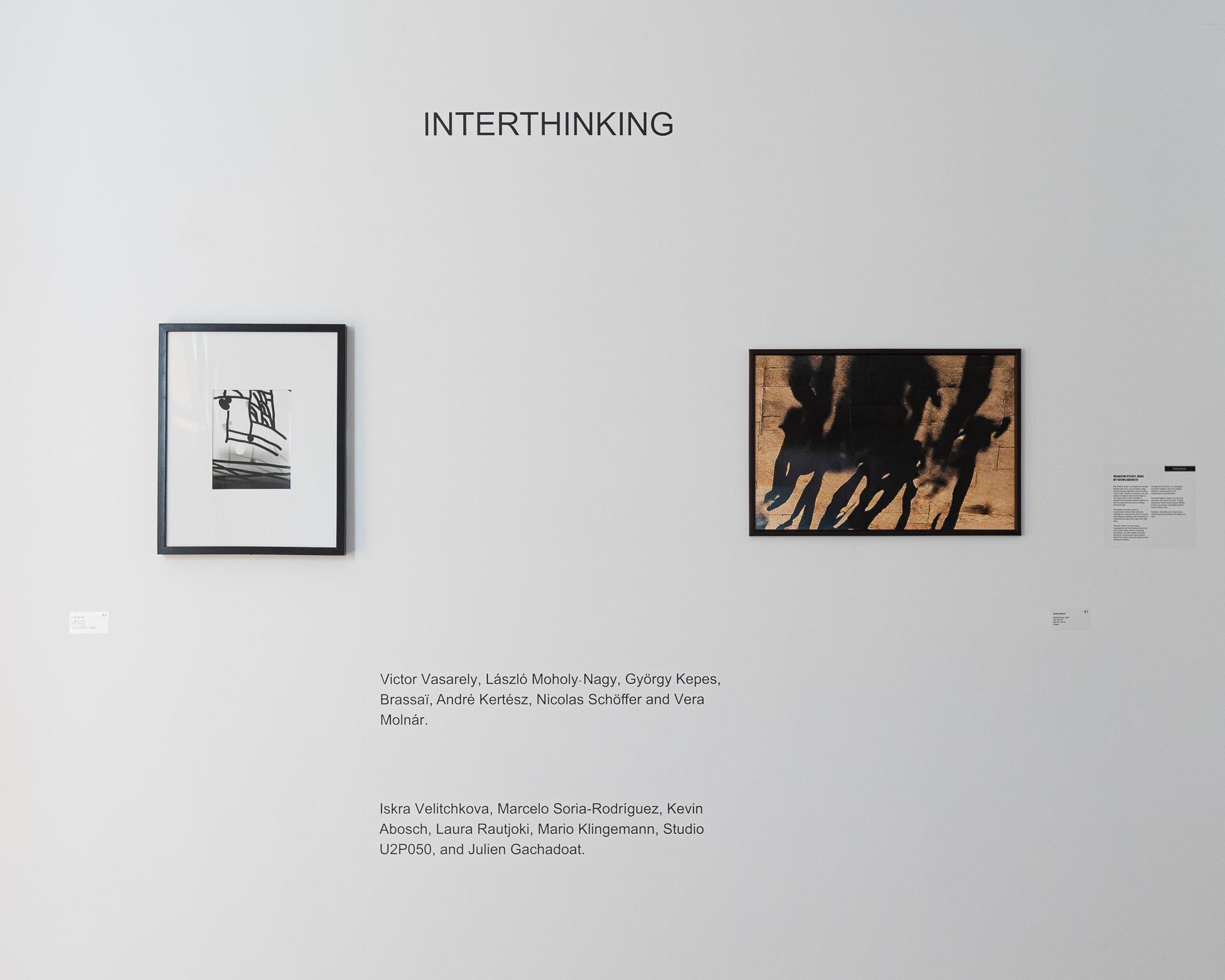
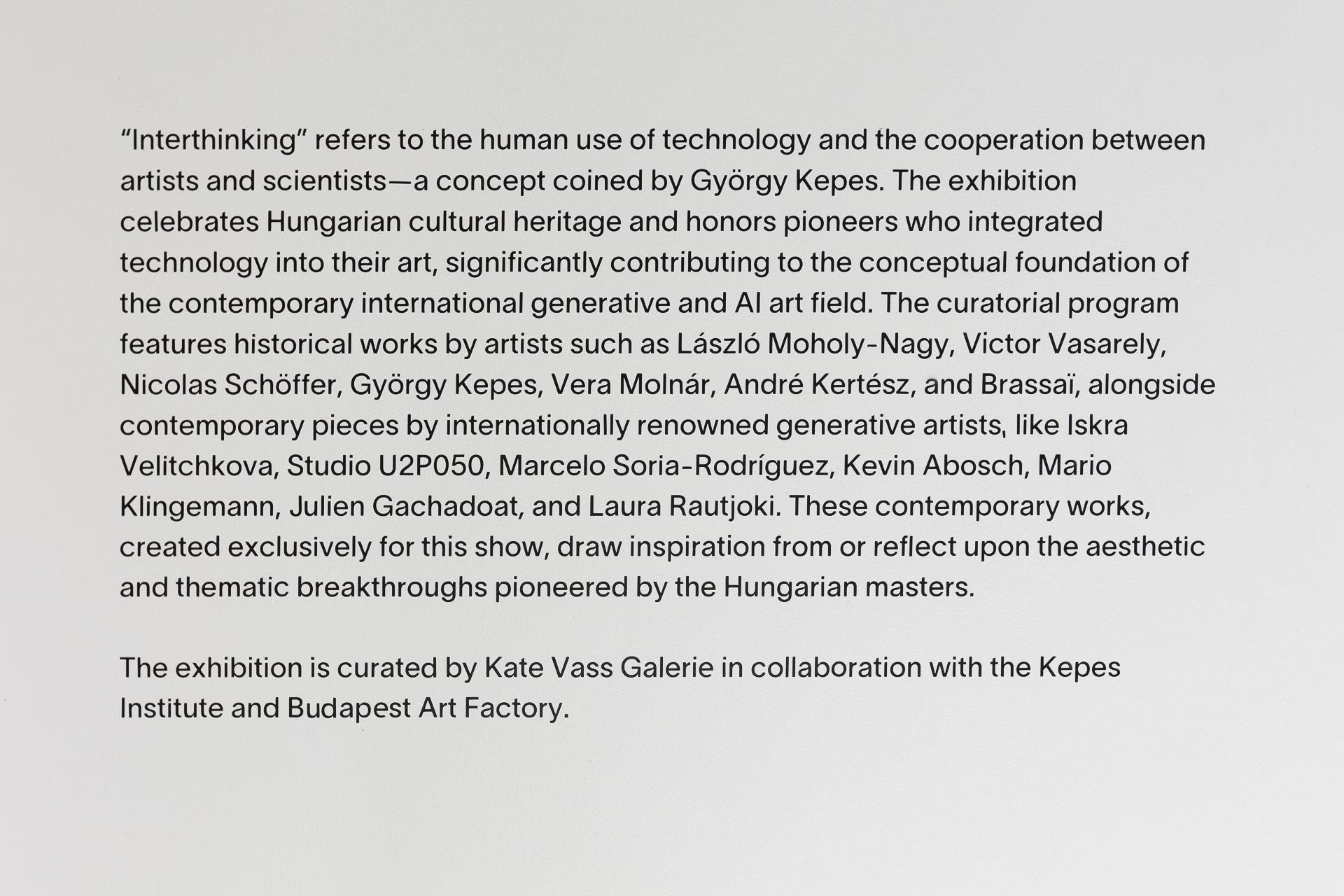
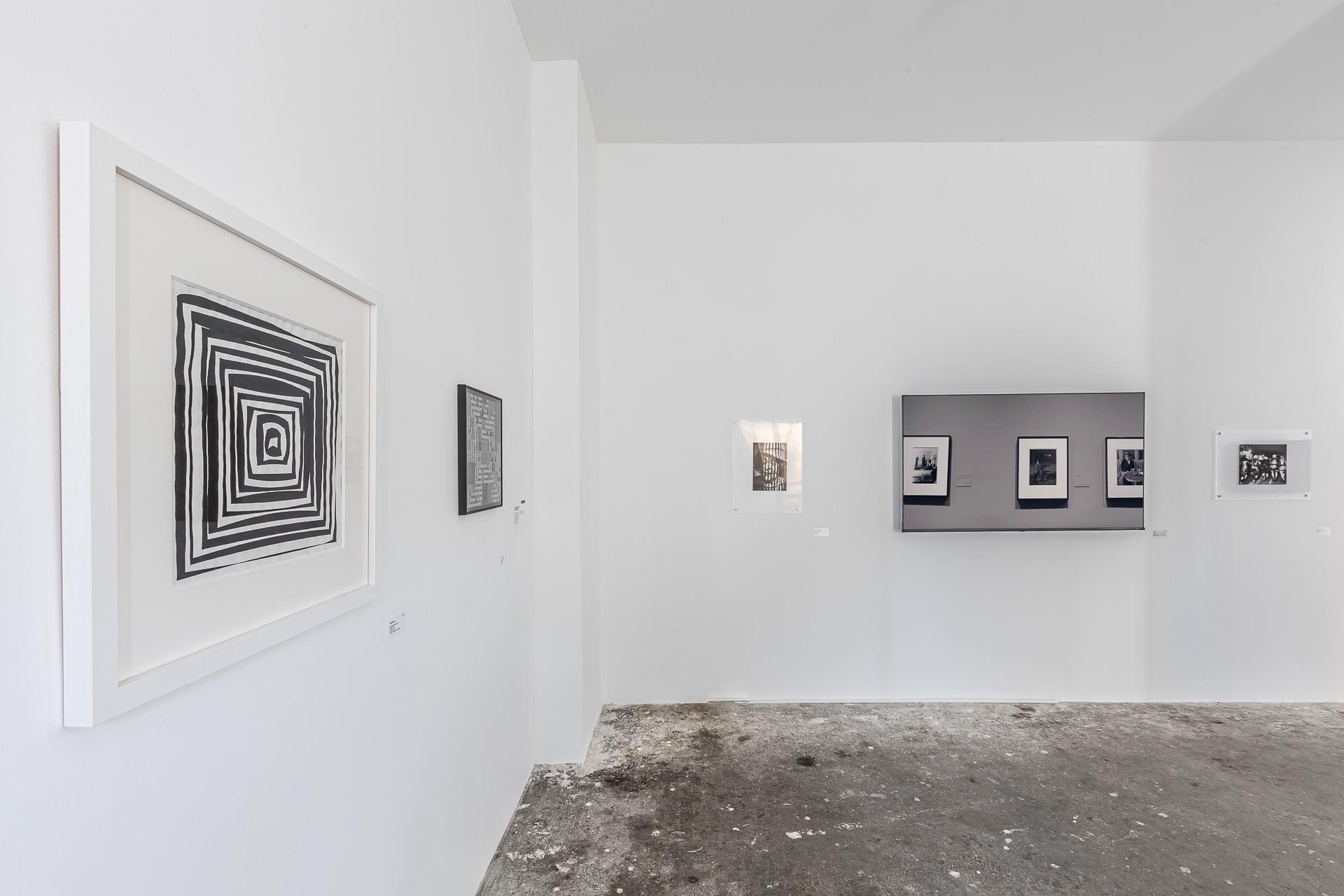
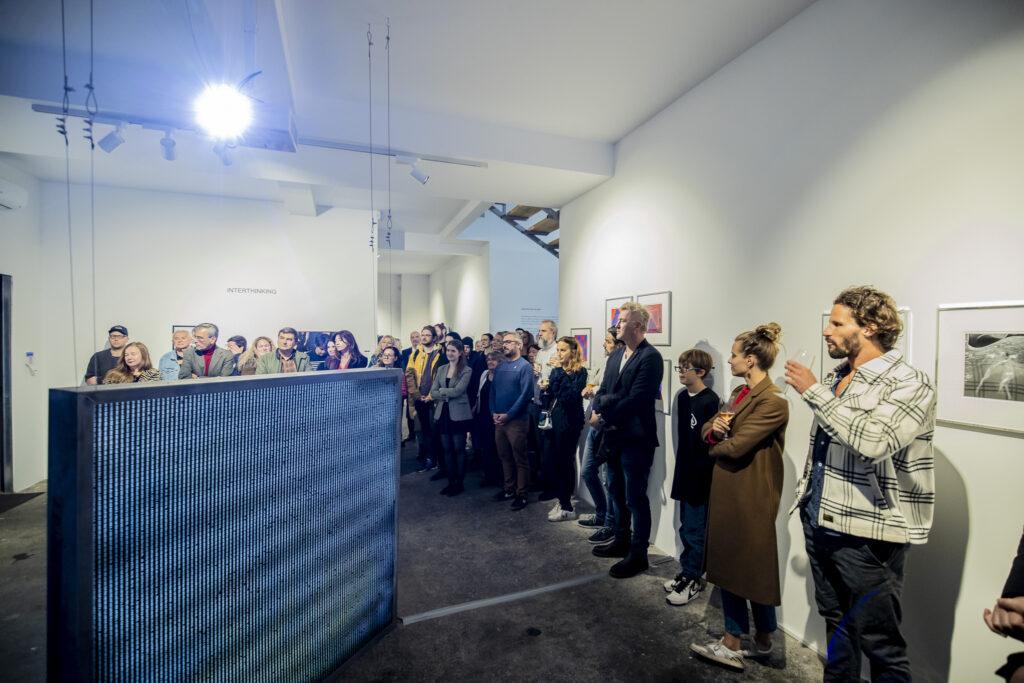
Interthinking, curated by Swiss-based Kate Vass Galerie, brings together historical and contemporary perspectives on generative and new media art. The exhibition traces the remarkable influence of Hungarian artists on the development of visual experimentation, exploring how their ideas continue to resonate within today’s international generative and AI art scene.

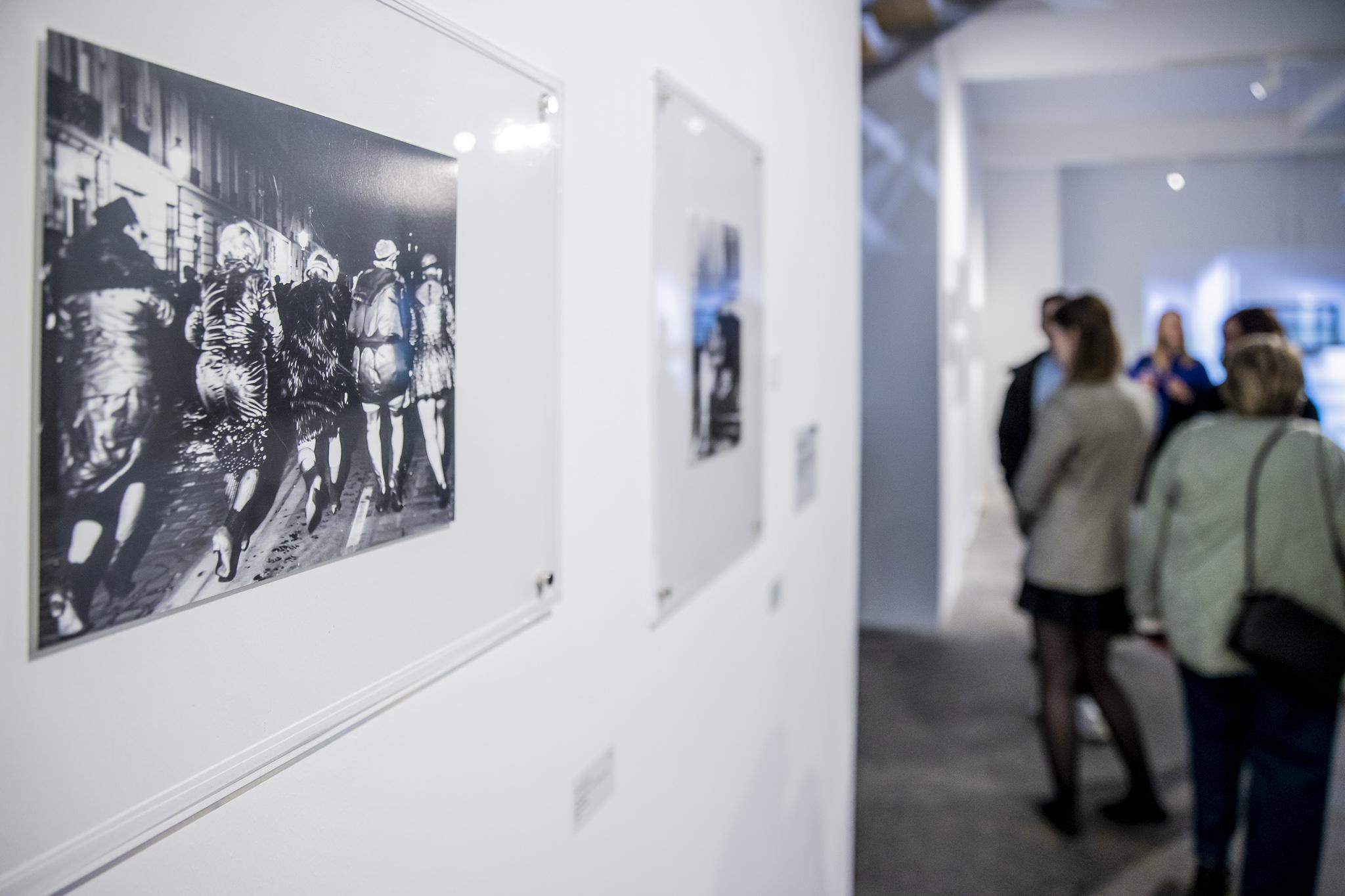
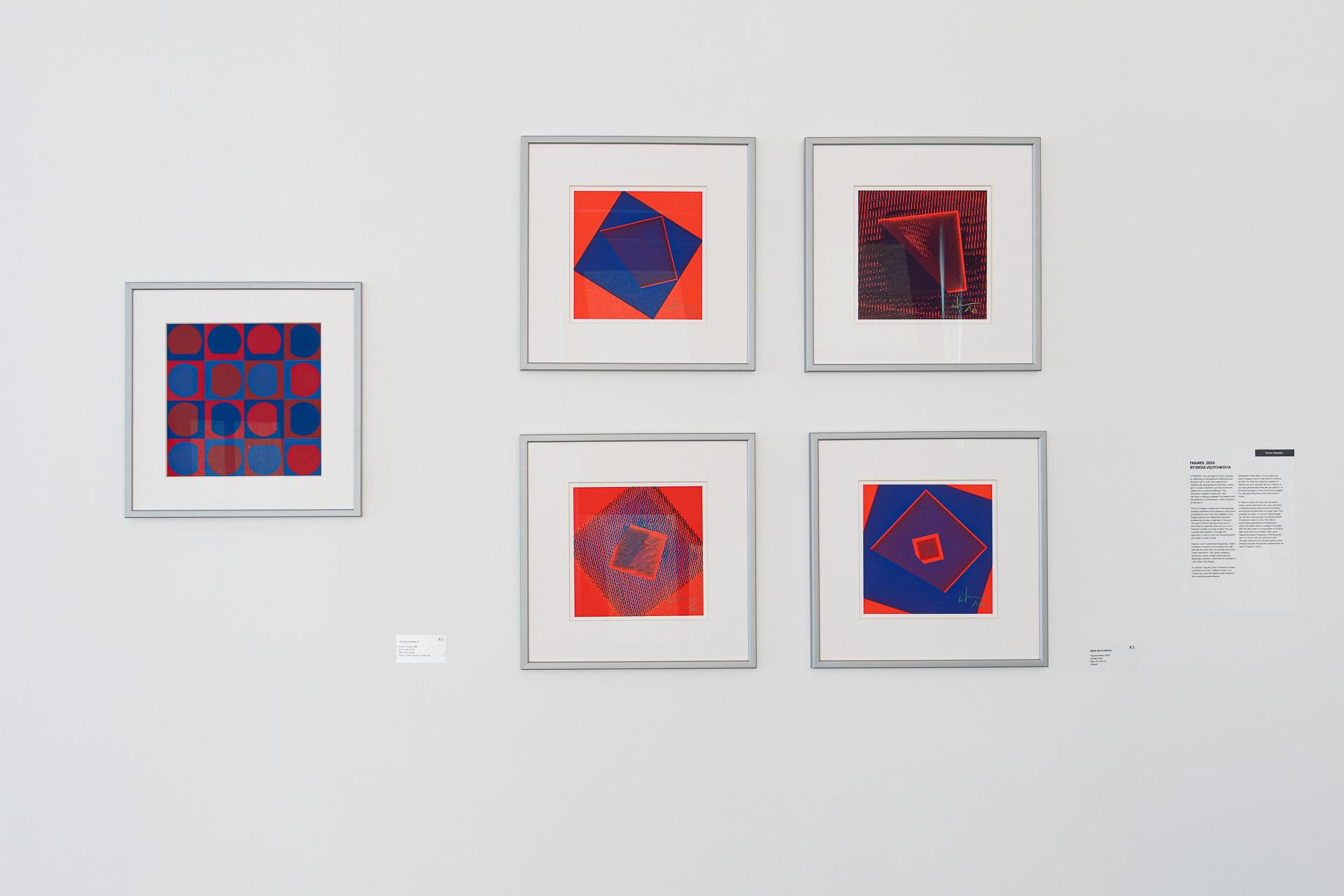
At the core of the exhibition are historical works by László Moholy-Nagy, Victor Vasarely, Nicolas Schöffer, György Kepes, Vera Molnár, André Kertész, and Brassaï. Across different generations and disciplines, these pioneering figures challenged conventional ways of seeing through experimentation with light, geometry, movement, photography, systems, and technology. Their approaches helped establish a conceptual and visual vocabulary that continues to inform contemporary computational and generative practices. Historical works are presented in collaboration with collector Ferenc Offenbacher, founder and director of the Kepes György International Art Center.

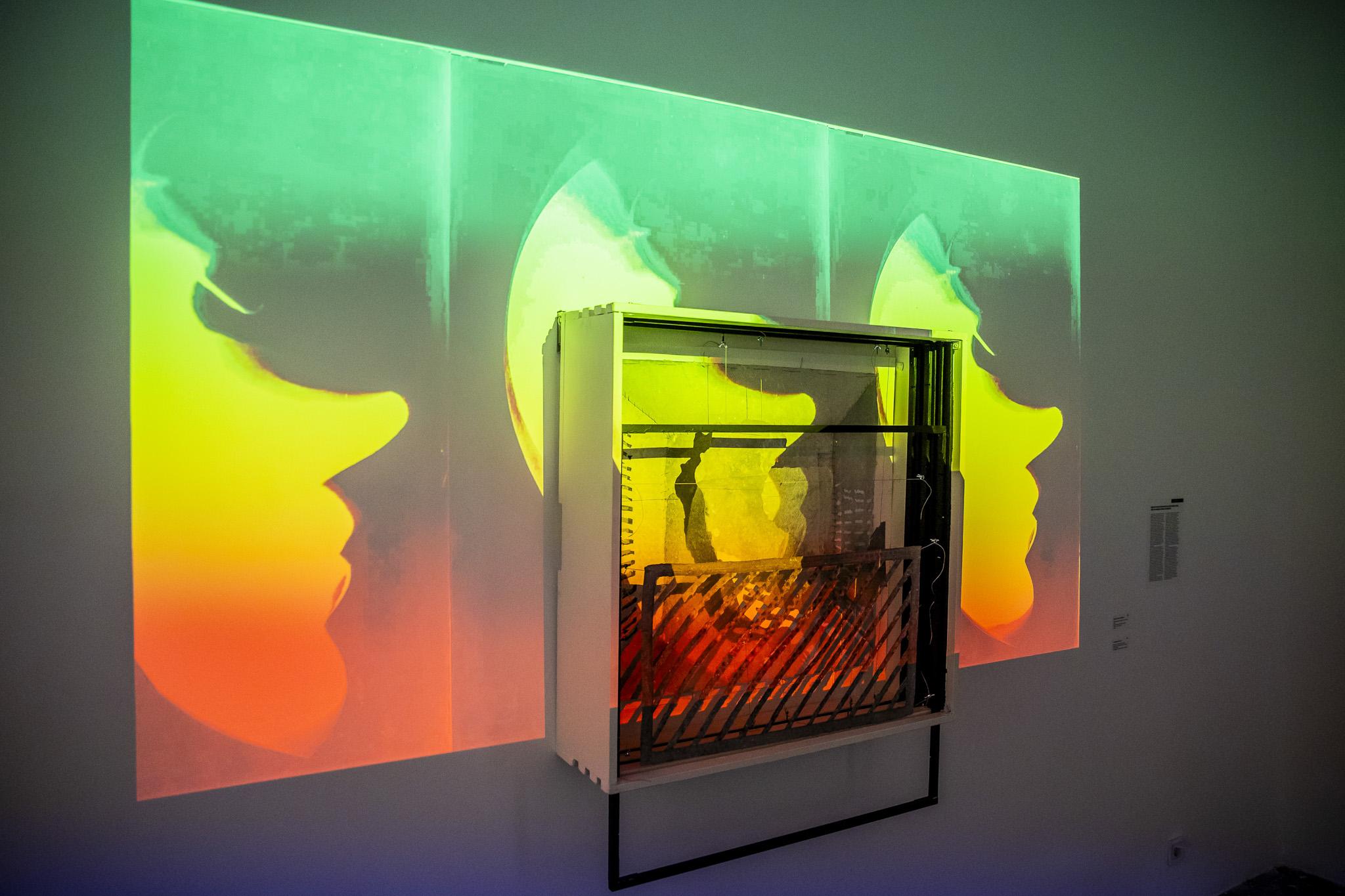
In dialogue with these historical positions, Interthinking presents contemporary works by internationally recognized artists Iskra Velitchkova, Mario Klingemann, Studio u2p050, Marcelo Soria-Rodríguez, Kevin Abosch, Laura Rautjoki, and Julien Gachadoat. Created specifically for the exhibition, these works respond to, reinterpret, or extend the aesthetic and conceptual ideas introduced by their predecessors.

Bridging generations, technologies, and artistic languages, Interthinking considers generative art not simply as a product of contemporary technology, but as part of a much longer history of experimentation—one in which Hungarian artists have played a defining role.

« Back to Events

Gábriel FARKAS

Gábriel FARKAS
Gábriel FARKAS
Gábriel FARKAS
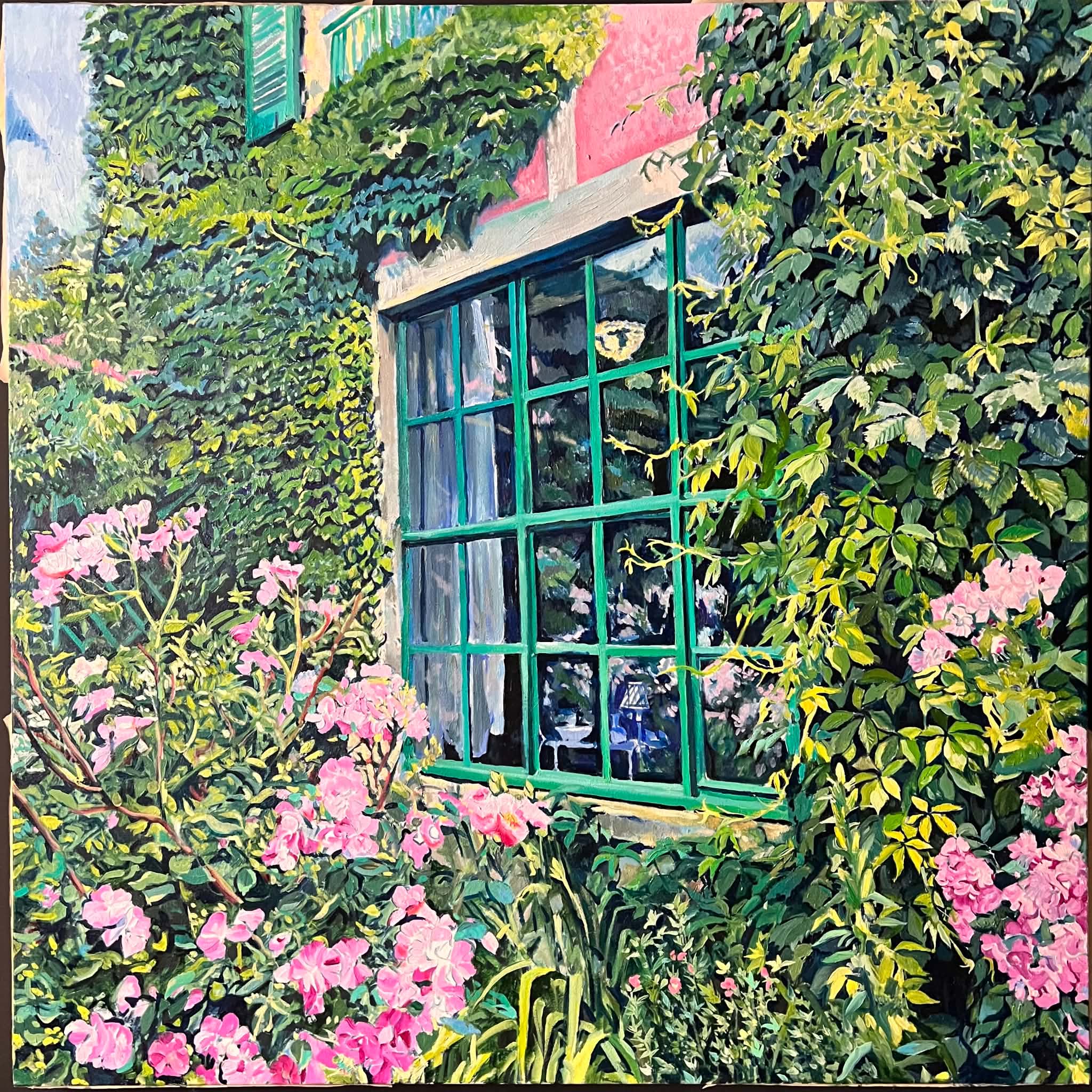
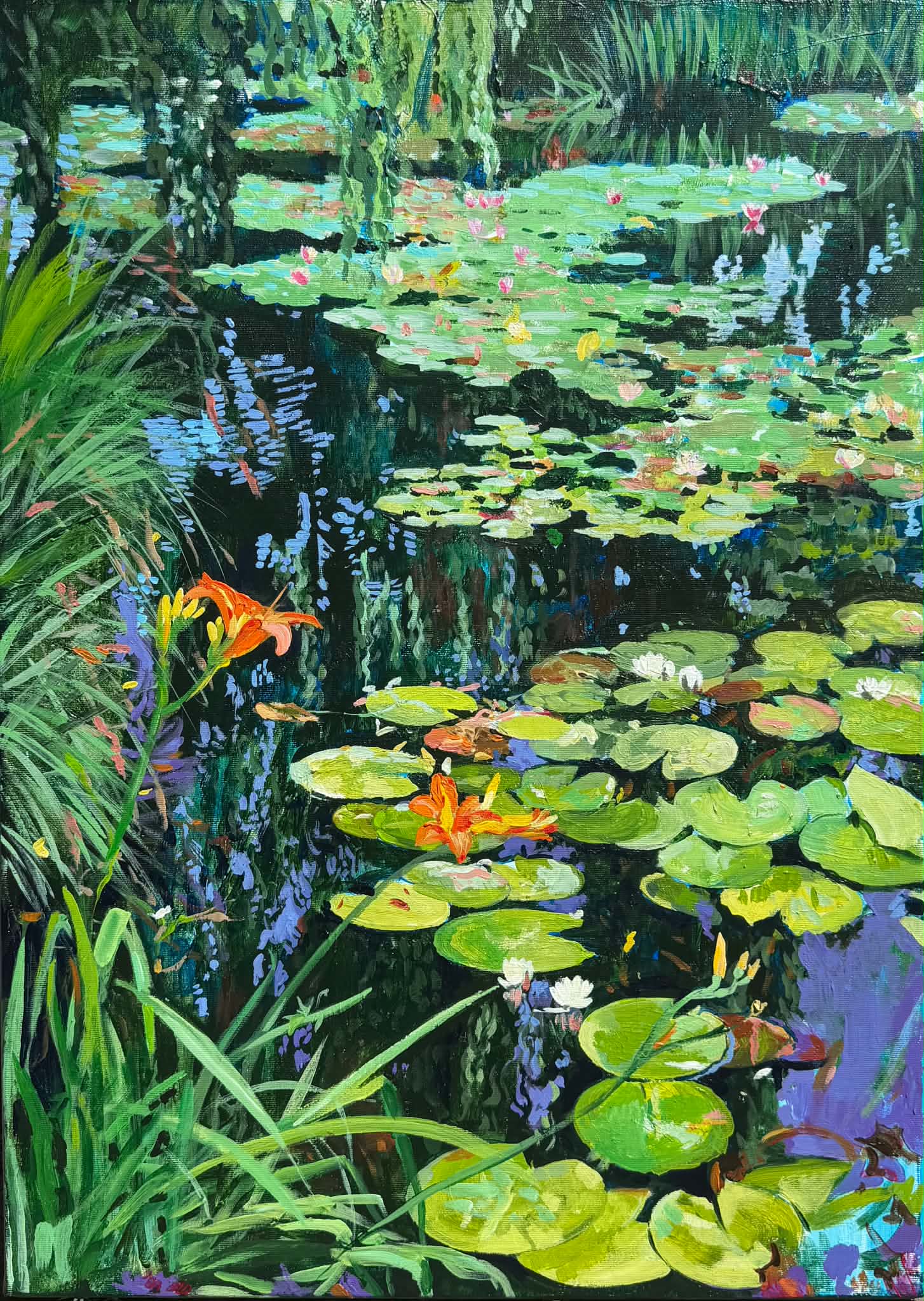
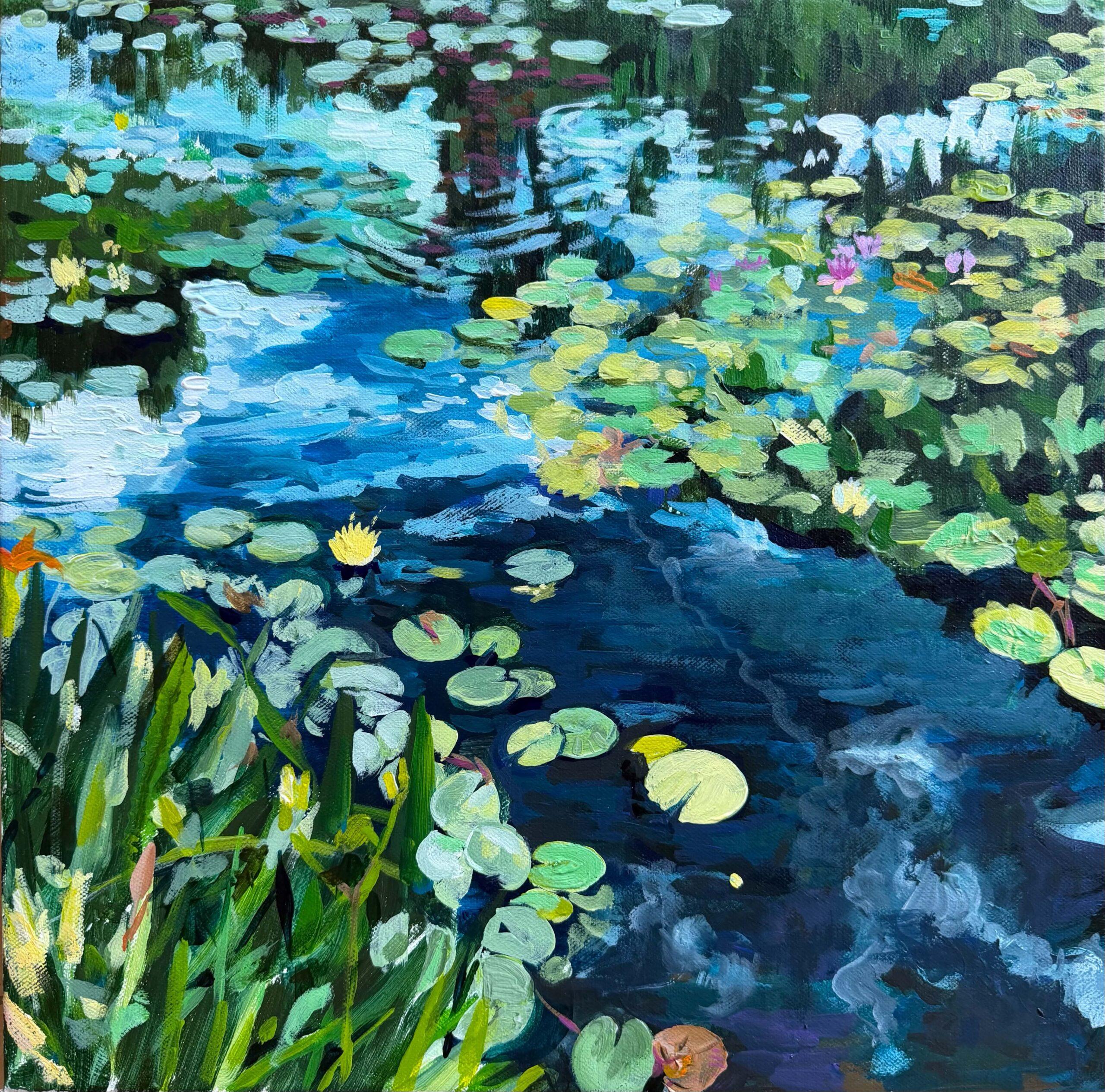
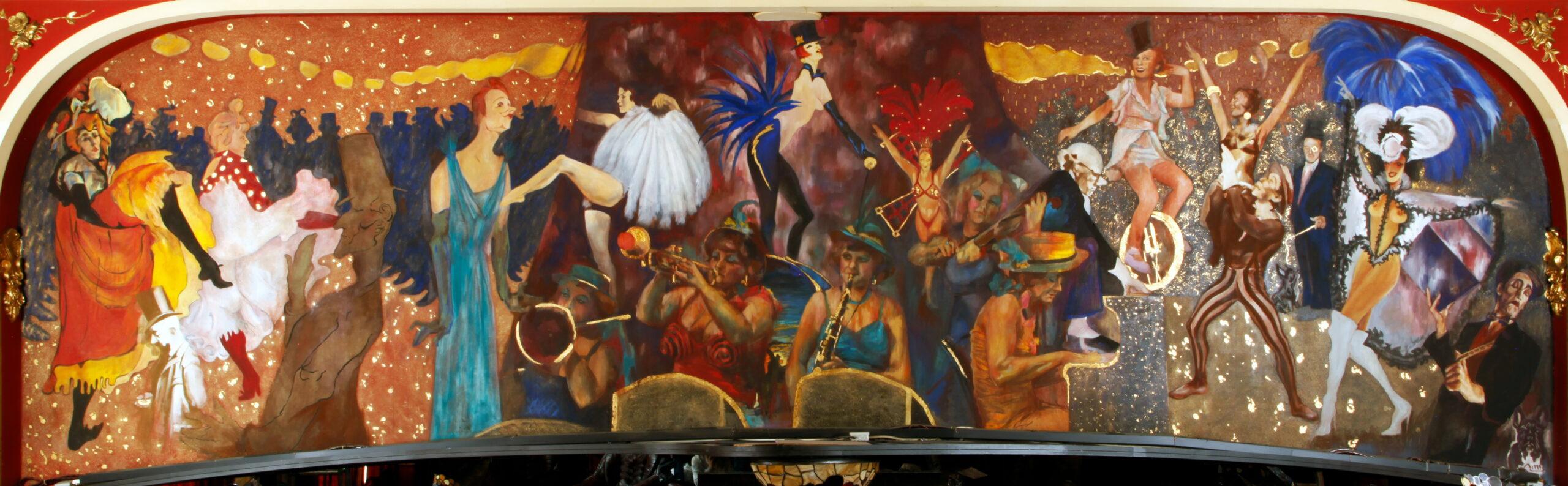
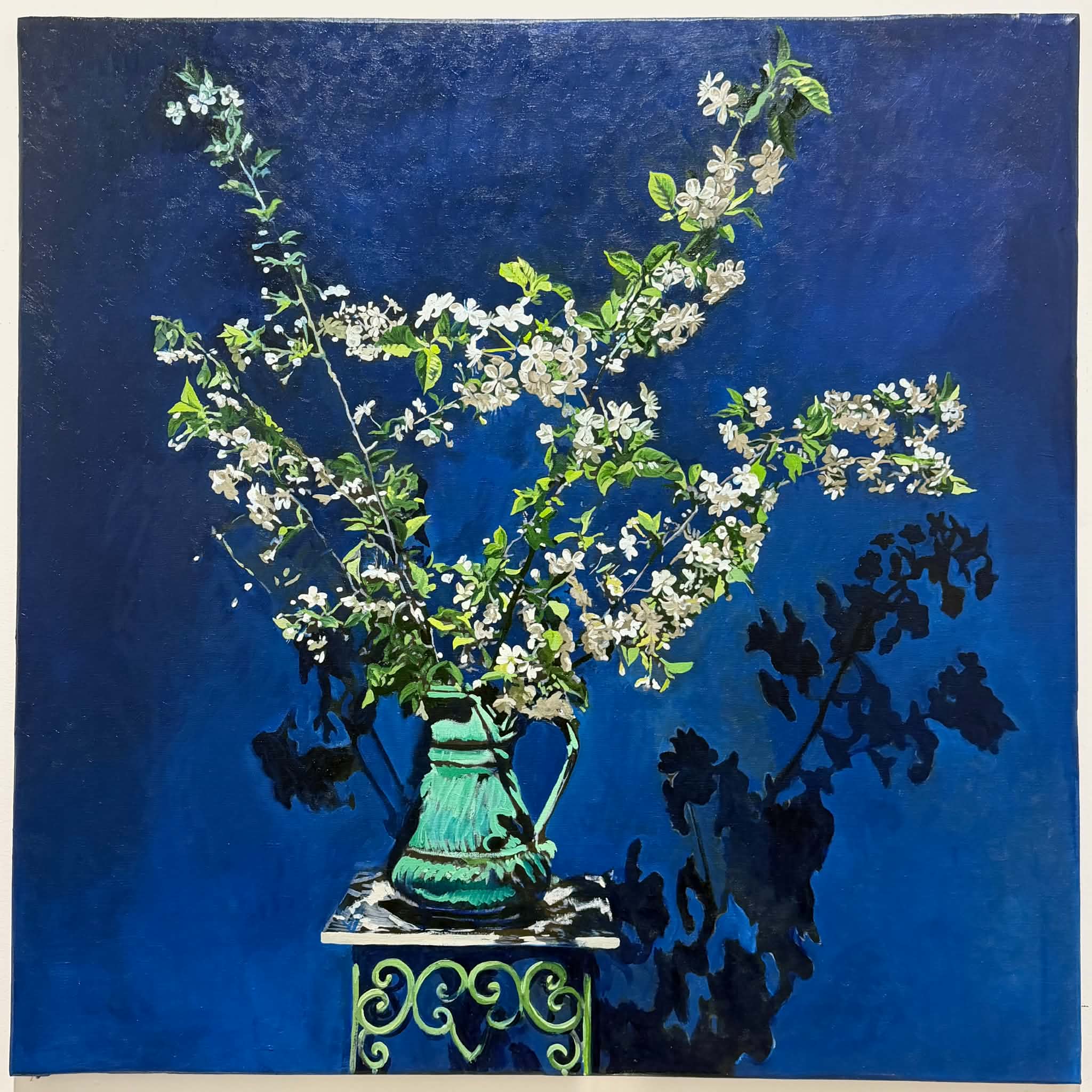
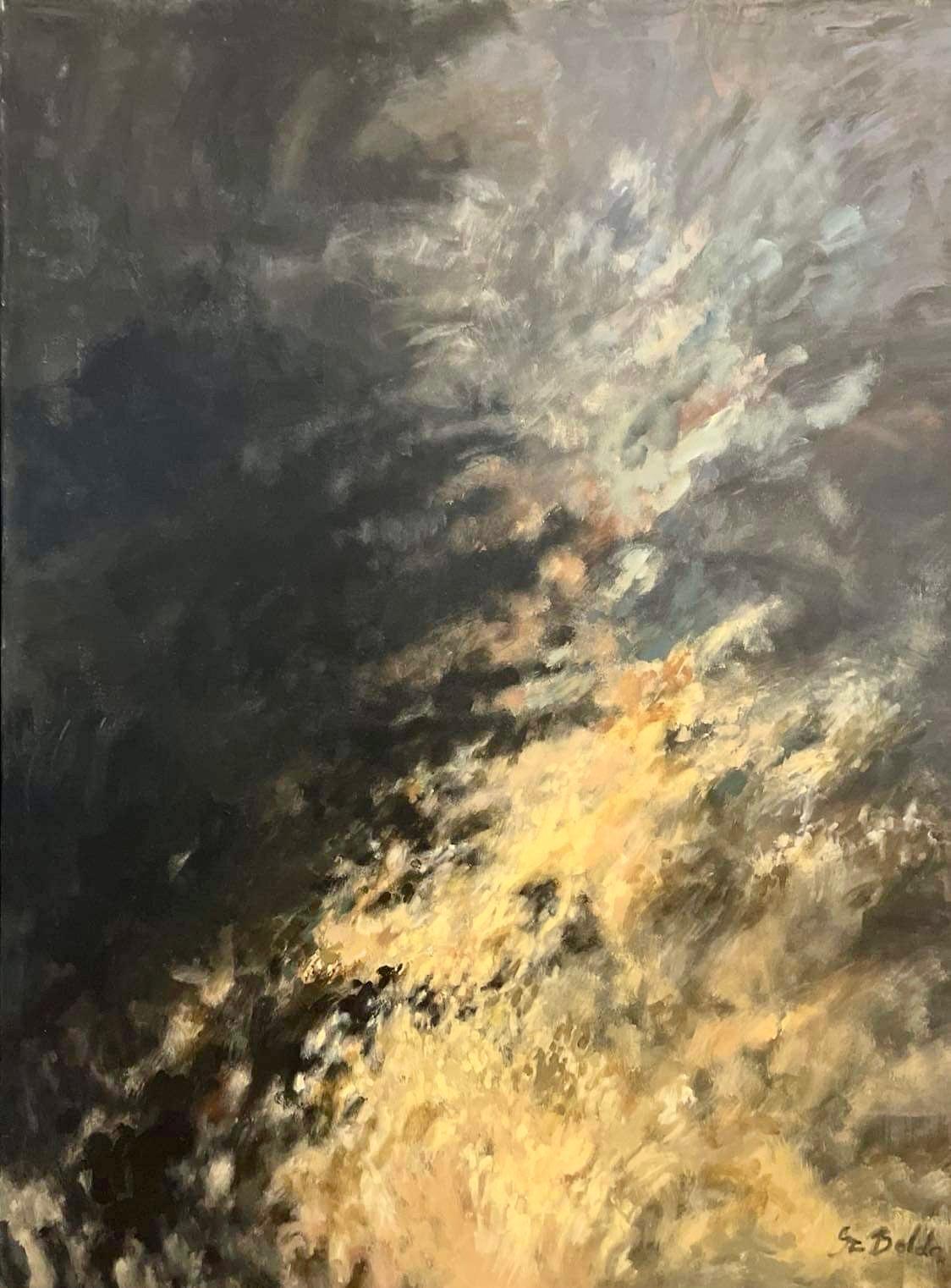
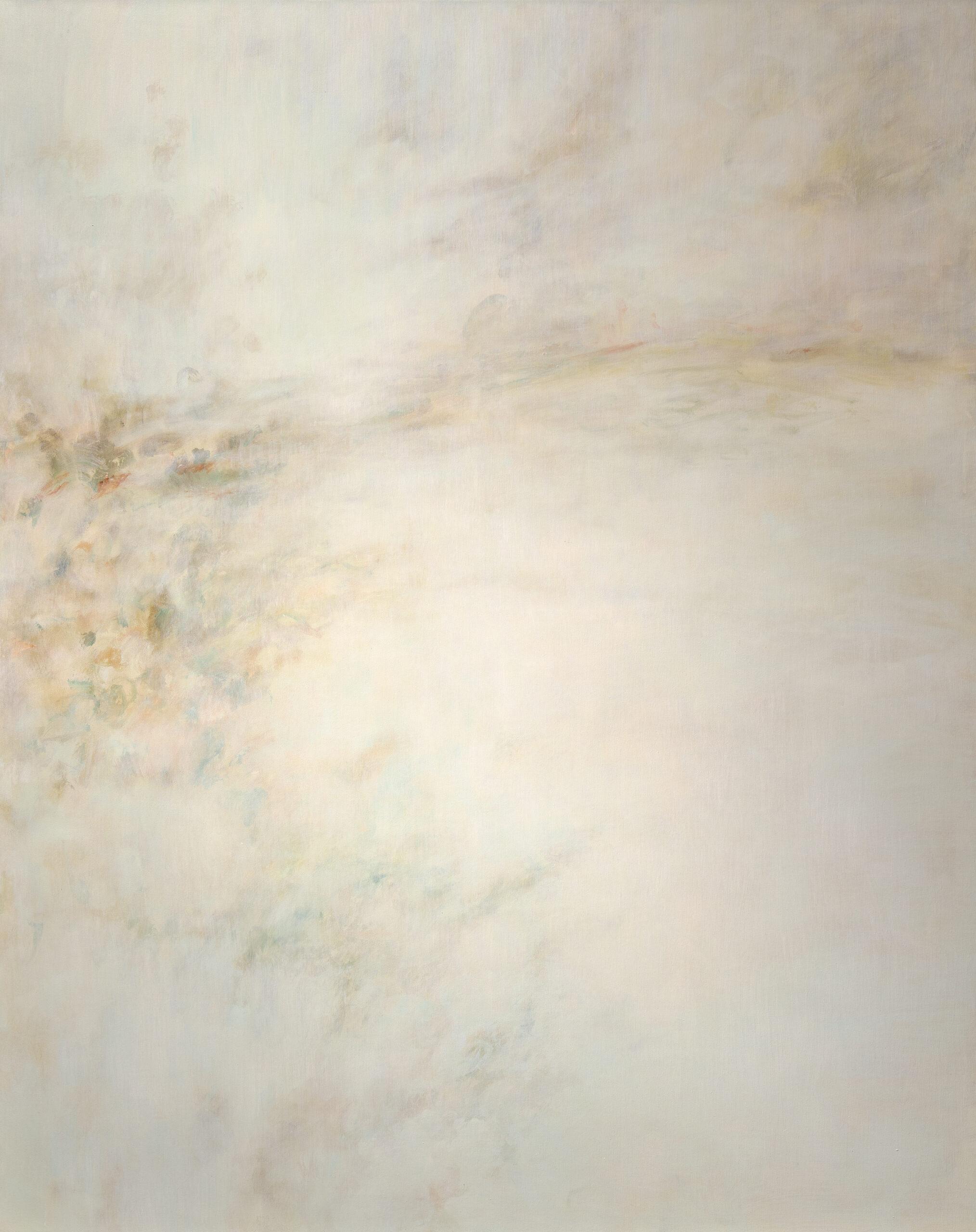
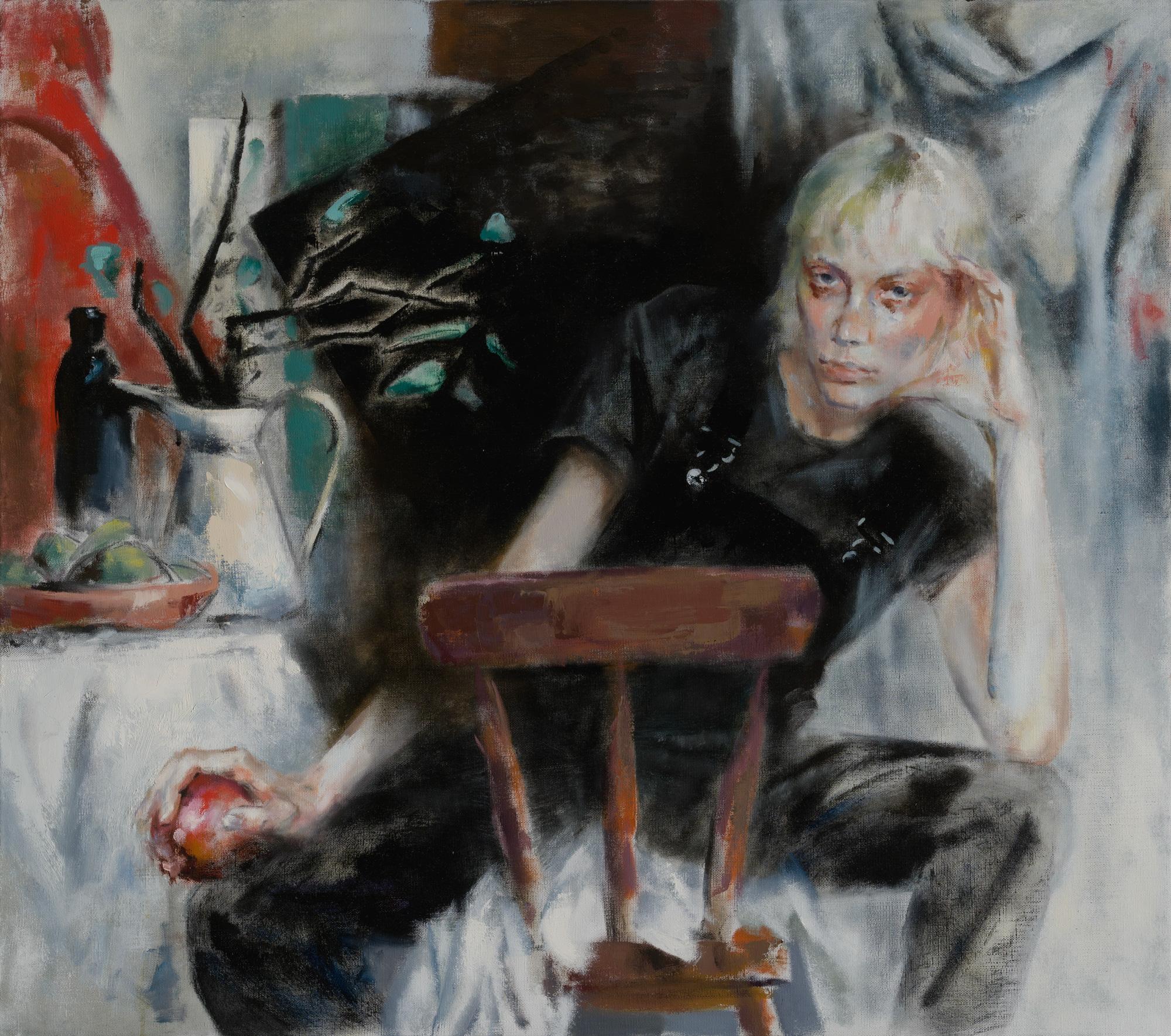
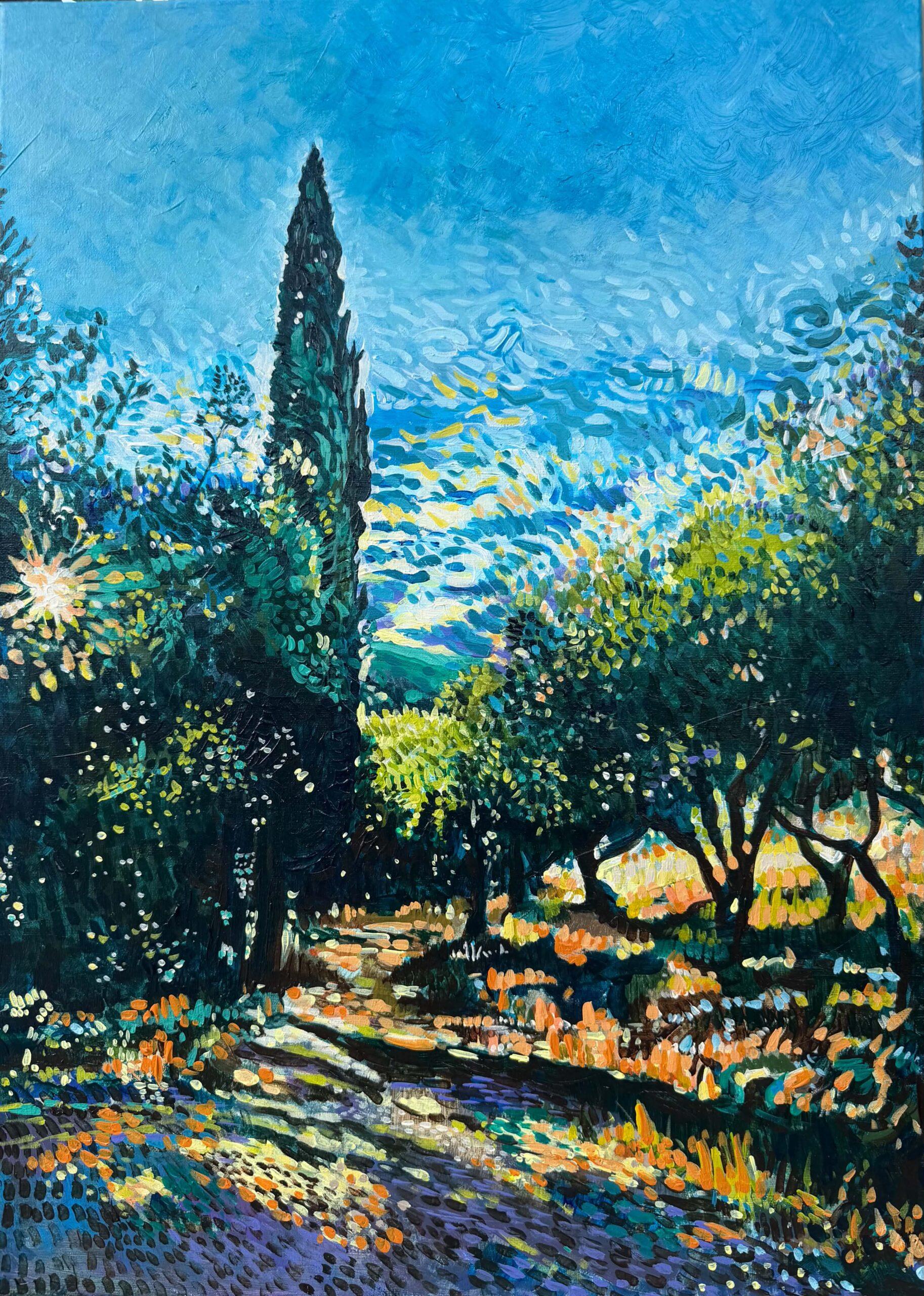
Rooted in the tradition of figurative painting, Hungarian artist Gábriel Farkas creates lyrical, atmospheric works centered on the human figure and the natural world. His paintings combine classical, sensitive brushwork with a contemporary perspective, where light, color, and gesture create intimate spaces between observation, memory, and emotion. Nature often becomes more than a setting, entering into a quiet dialogue with the figures that inhabit his compositions.
A graduate of the Hungarian University of Fine Arts, Farkas is widely known as a performing artist, while painting has remained an integral and deeply personal part of his creative practice. Moving between visual and performing arts, his work carries a subtle sense of presence and theatricality, balanced by a quieter, contemplative quality. His paintings reveal an intimate visual language in which nature, human experience, and classical painterly traditions gently converge.
Bolda SZMRECSÁNYI

Bolda SZMRECSÁNYI
Bolda SZMRECSÁNYI
Bolda SZMRECSÁNYI
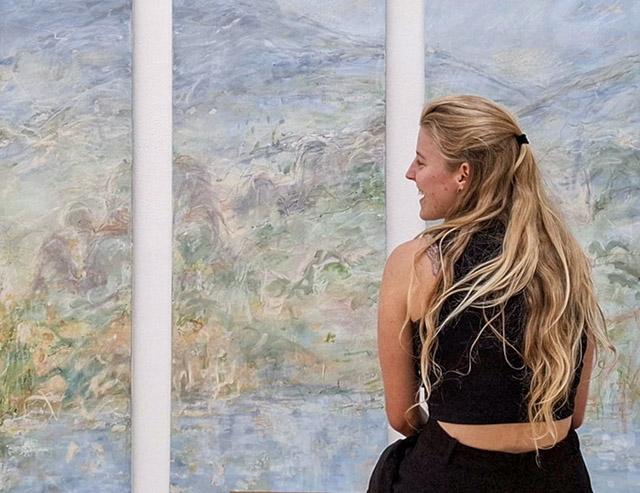
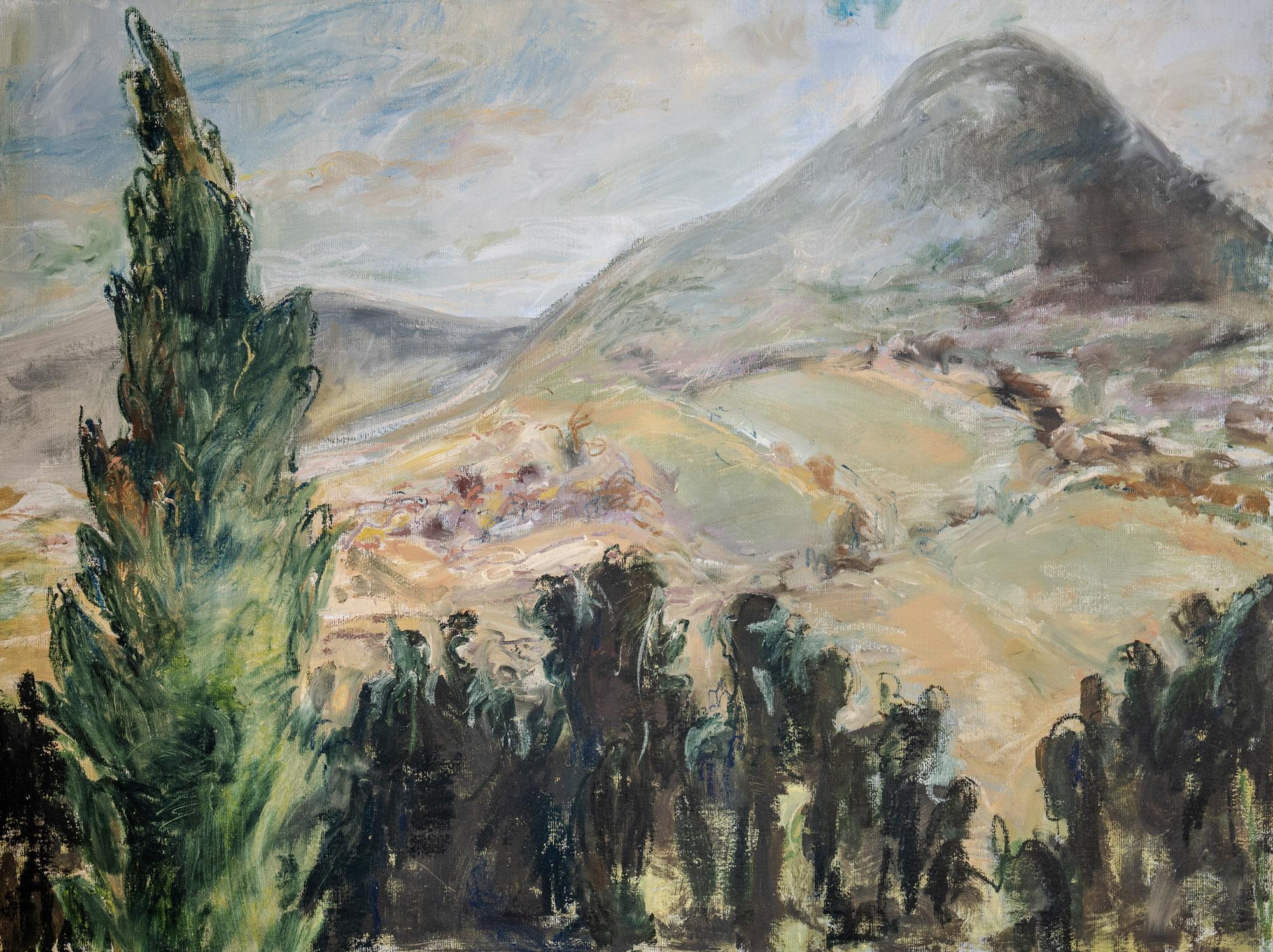
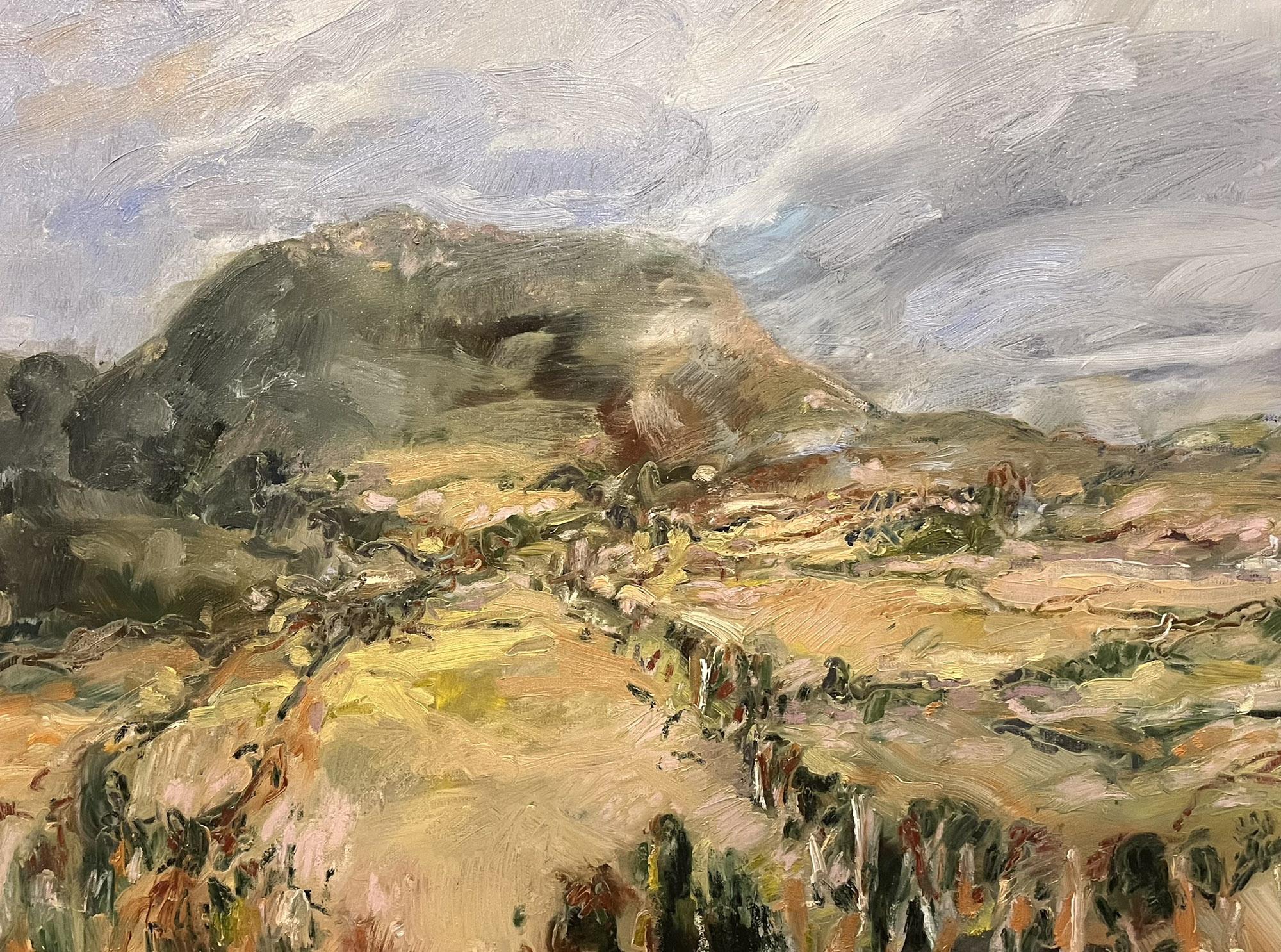
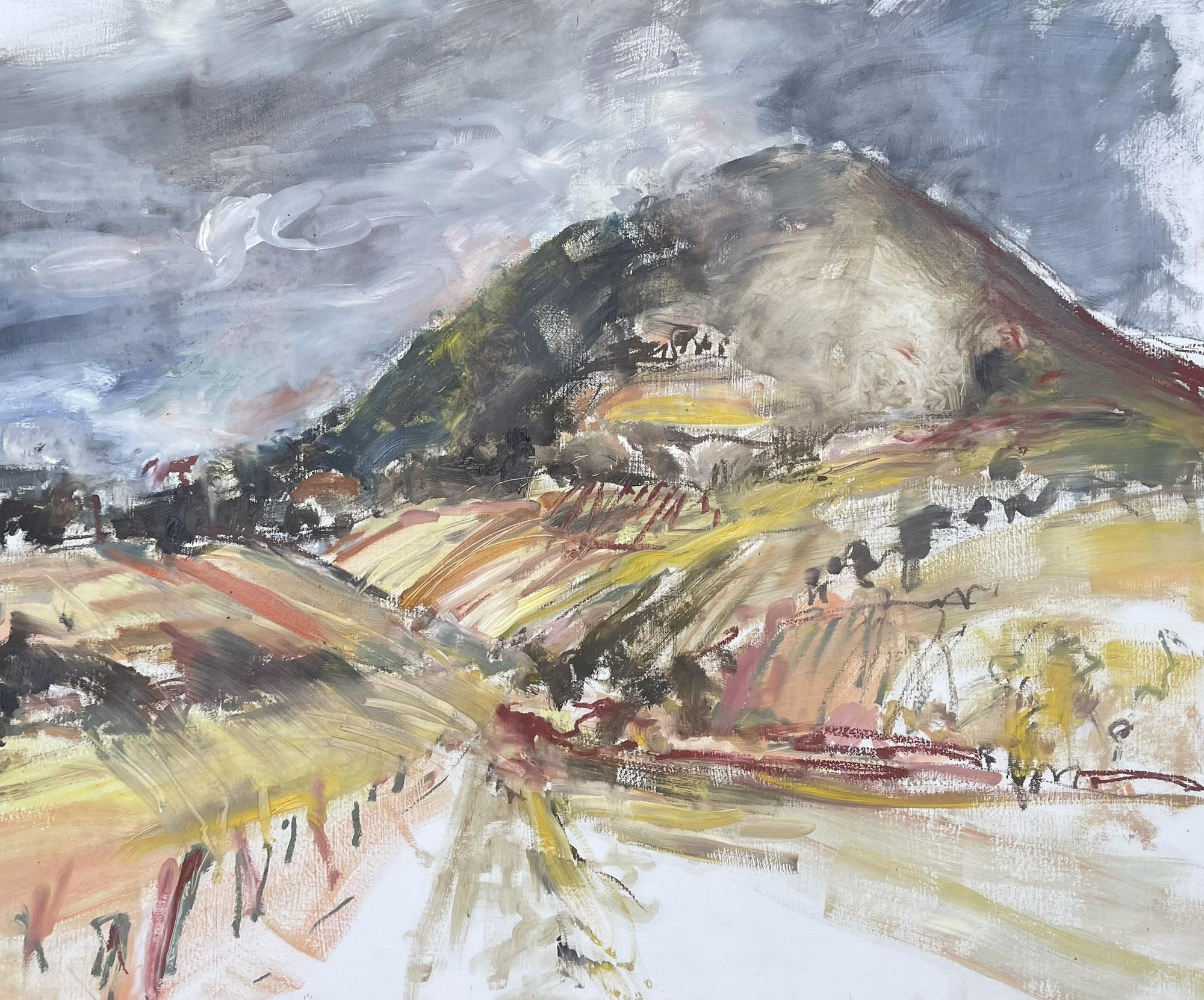
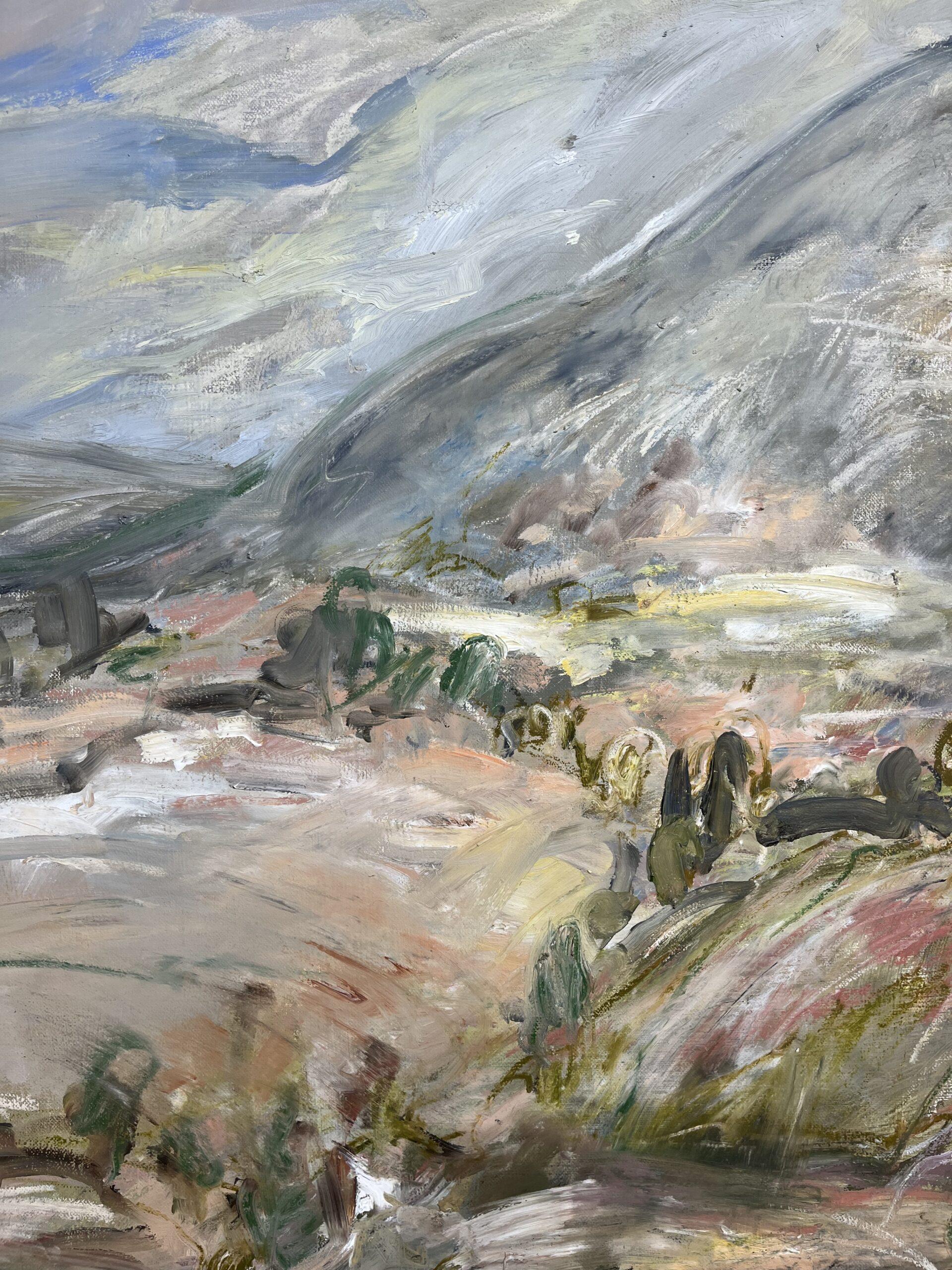
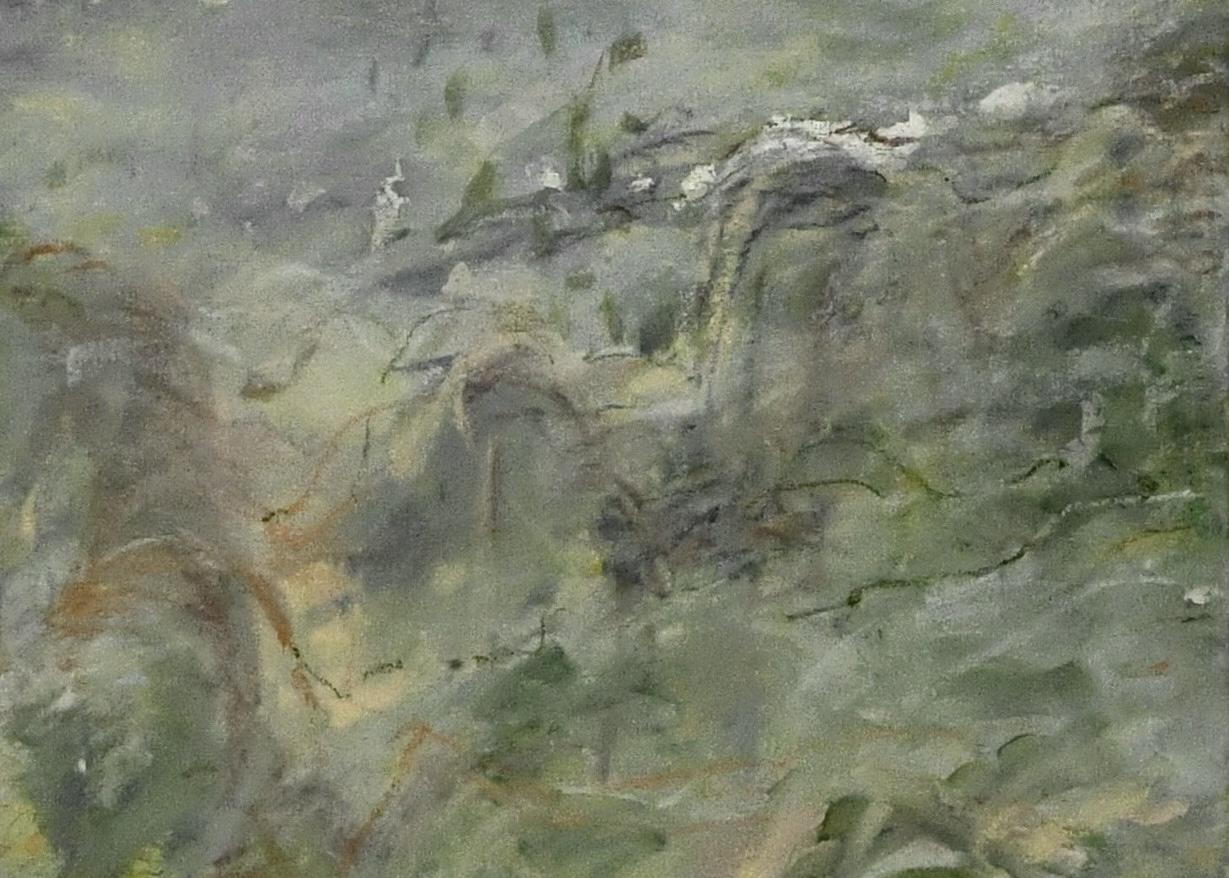
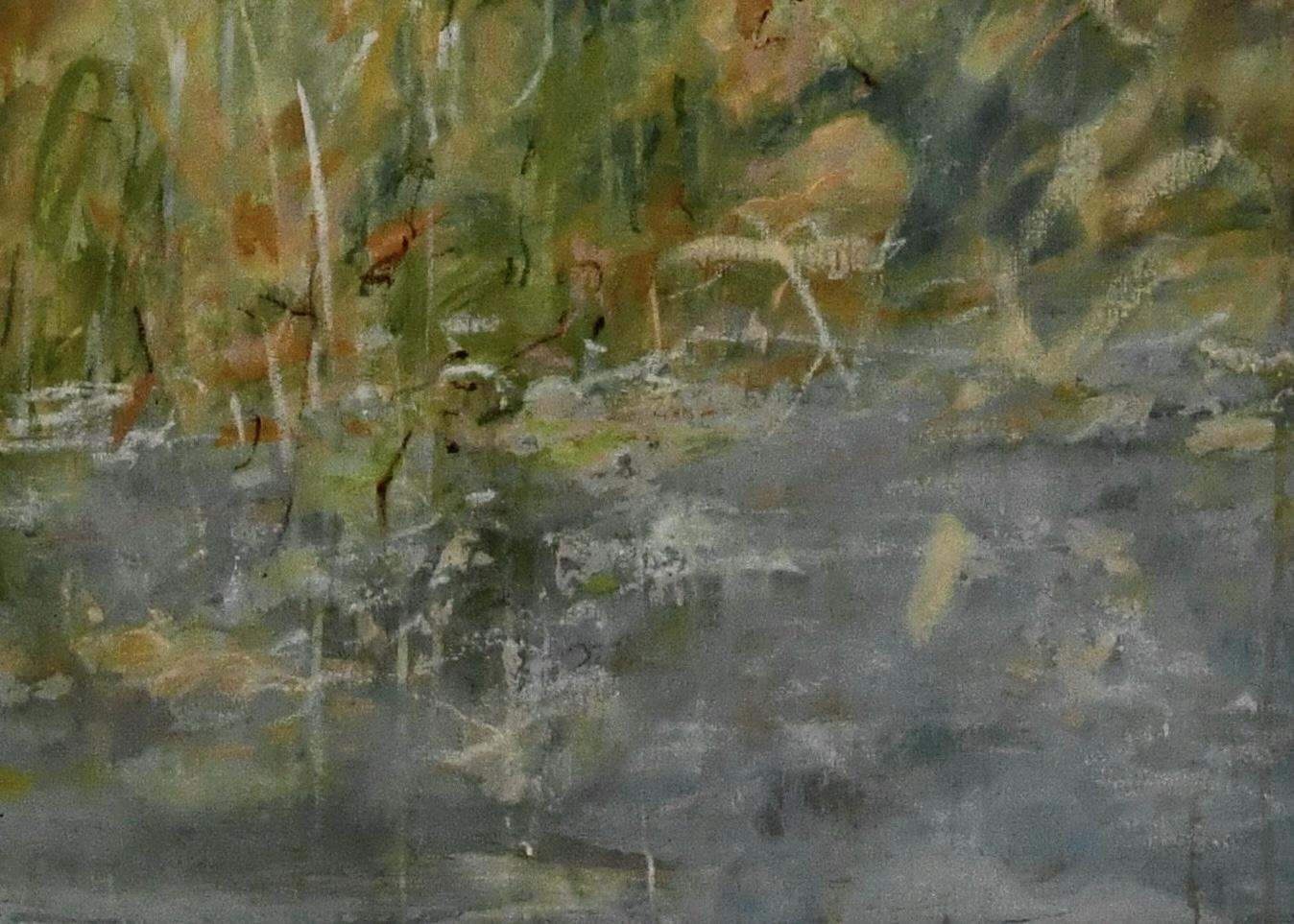
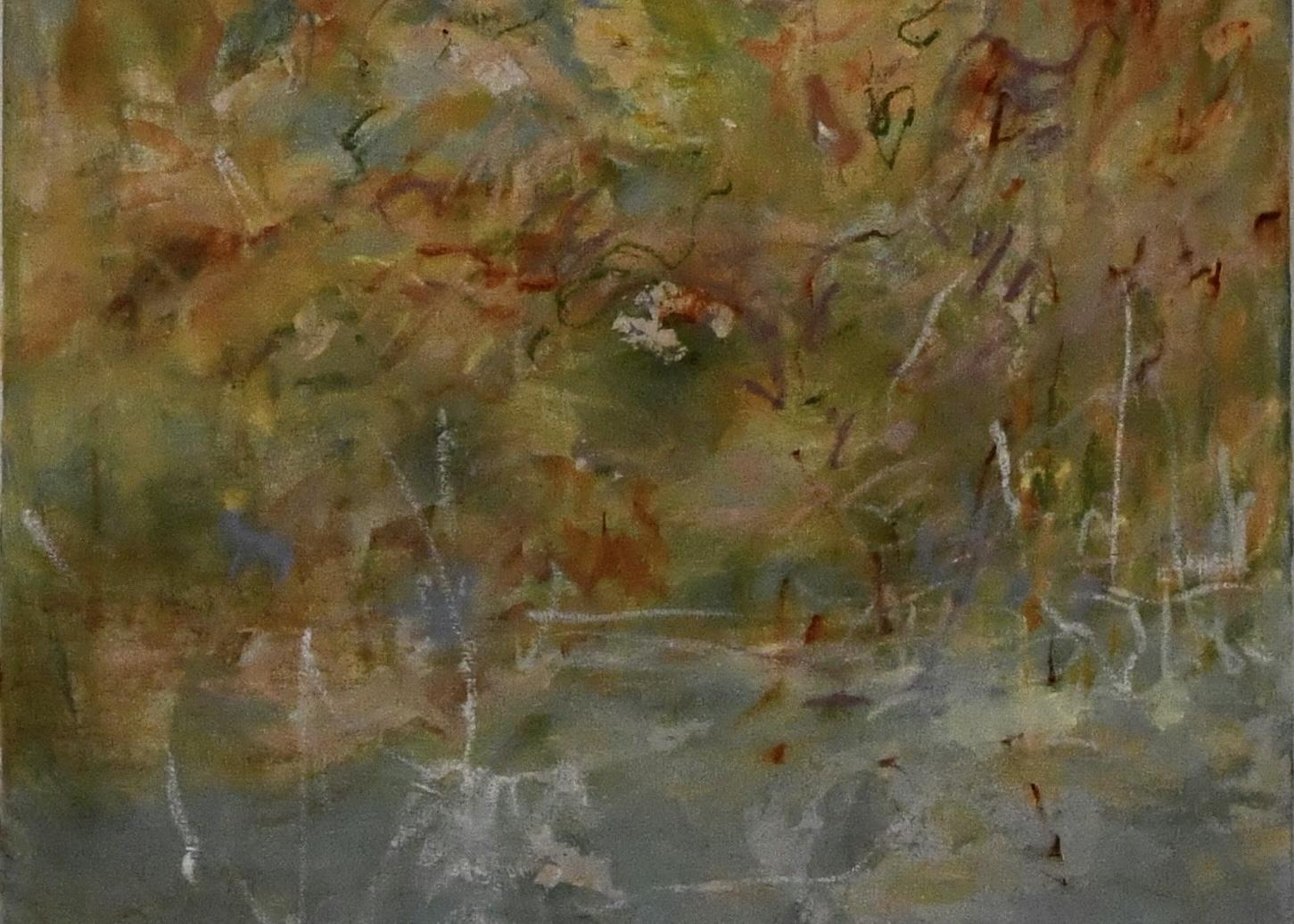
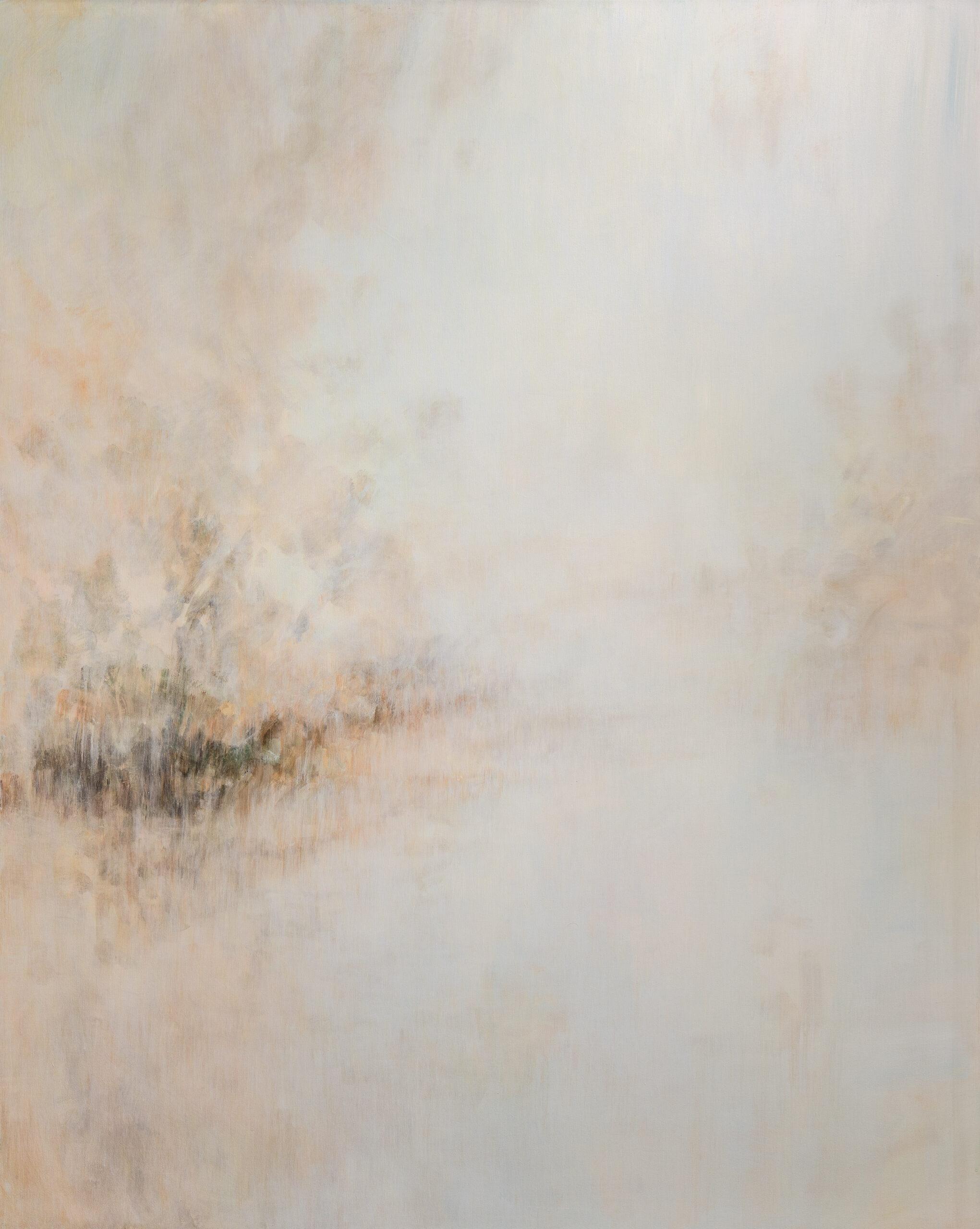
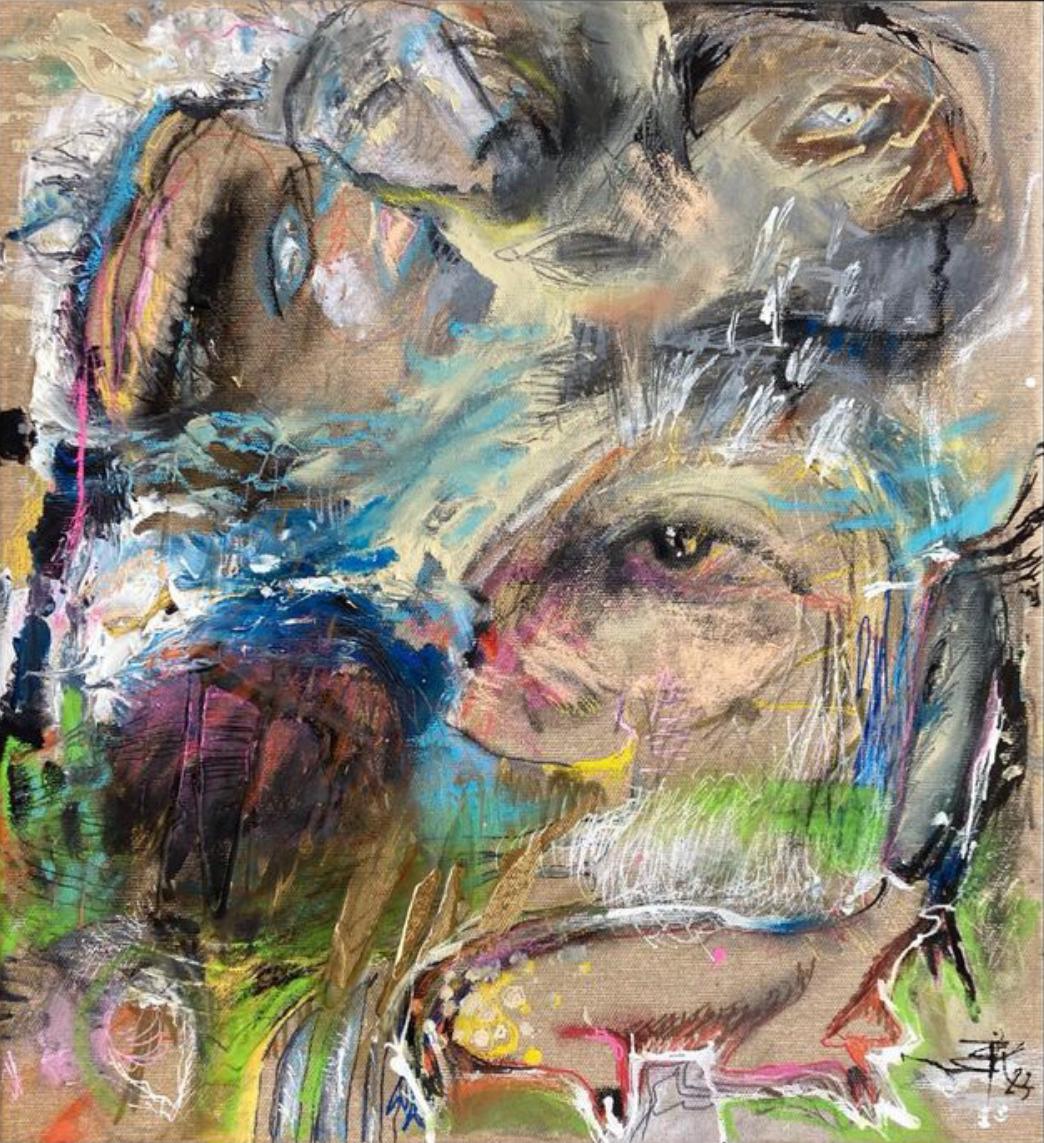
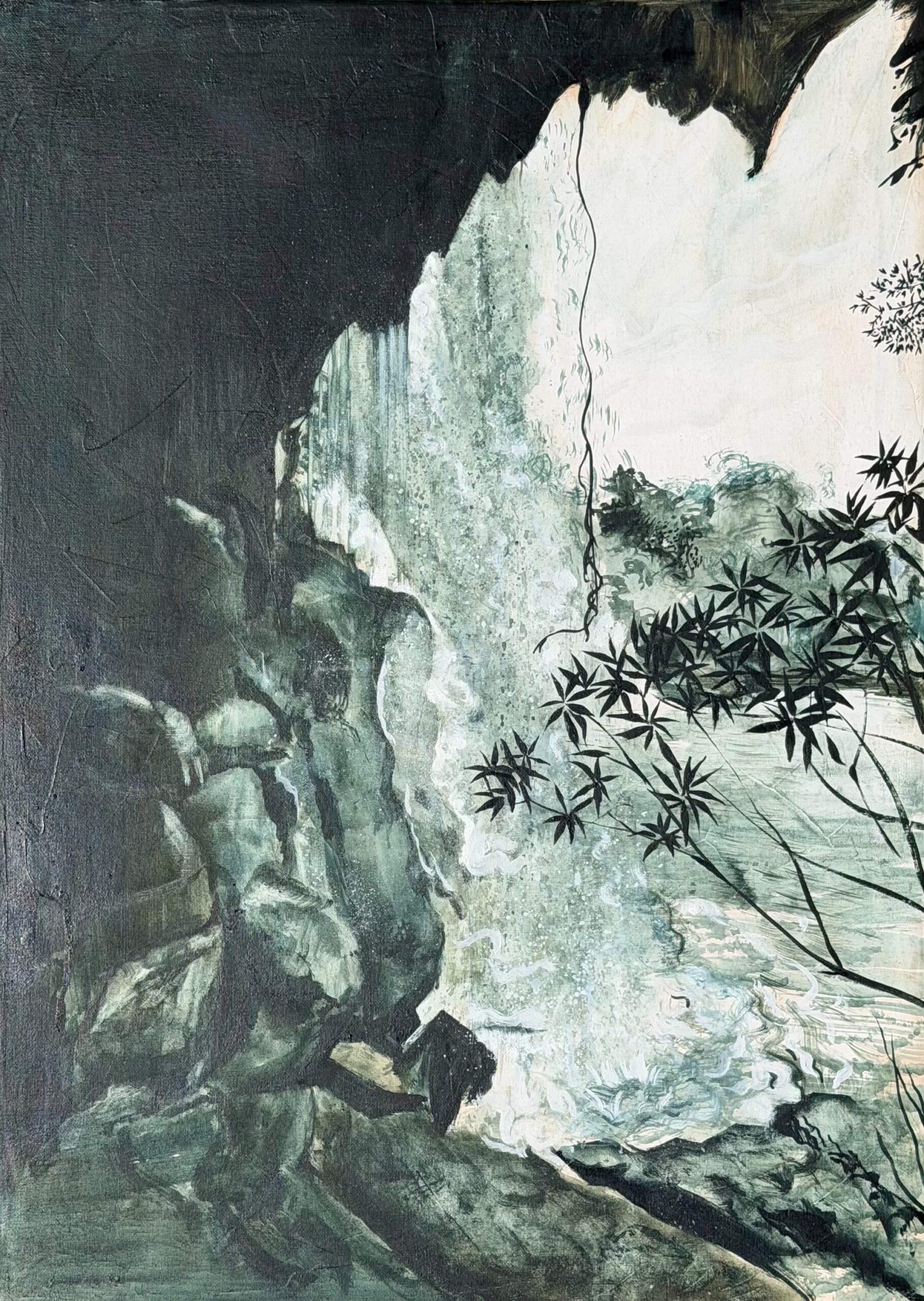
Moving fluidly between painting and drawing, Bolda Szmrecsányi creates atmospheric, dreamlike compositions rooted in landscape, memory, and personal experience. Combining ink, acrylic, watercolor, pastel, oil, and pencil, she allows recognizable elements of nature to dissolve into gestures, layers of color, light, and fluid forms. Memories of travel, her time at the Loch Arthur Camphill Community in Scotland, and the landscapes of Northern Lake Balaton merge into an increasingly abstract and personal visual language. Balancing intuitive gesture with more precise, drawn elements, her works transform observed landscapes into emotional spaces shaped by memory and atmosphere.
Szmrecsányi is an exceptionally young emerging Hungarian artist whose rapidly developing practice has already gained international recognition. A 2025 graduate of the Hungarian University of Fine Arts, she has exhibited across Europe and Asia and has already entered notable private collections. She received the Le Boost Jeunes award at the Salon d’Automne in Paris in 2024, followed by a major prize at the Szeged Summer Exhibition in 2026, marking the early trajectory of a distinctive new voice in contemporary Hungarian painting.

Barbara KOLTAI

Barbara KOLTAI
Barbara KOLTAI
Barbara KOLTAI
barbarakoltai.com
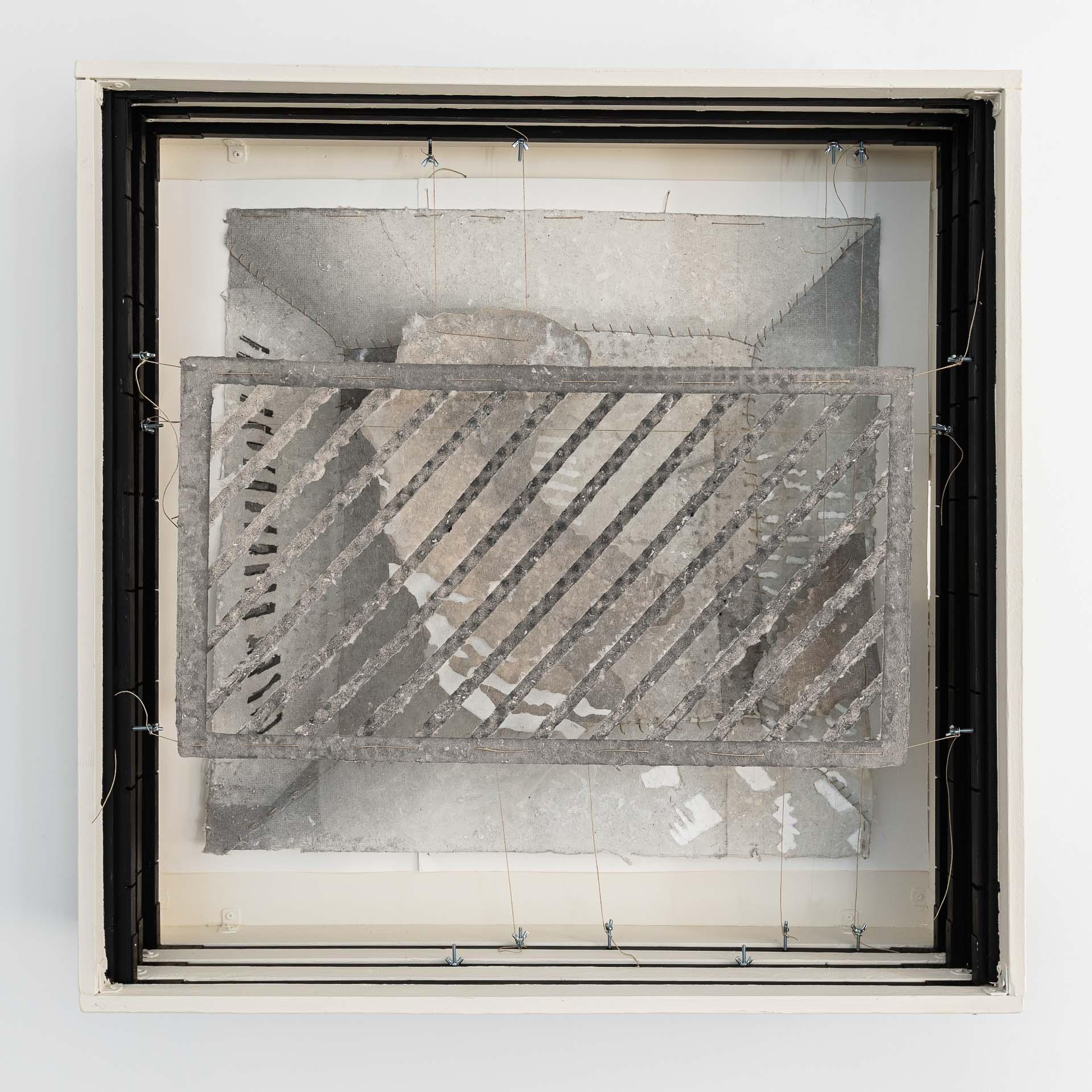
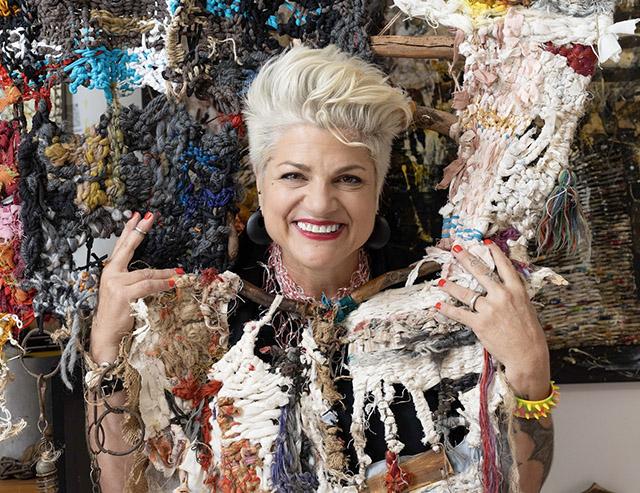
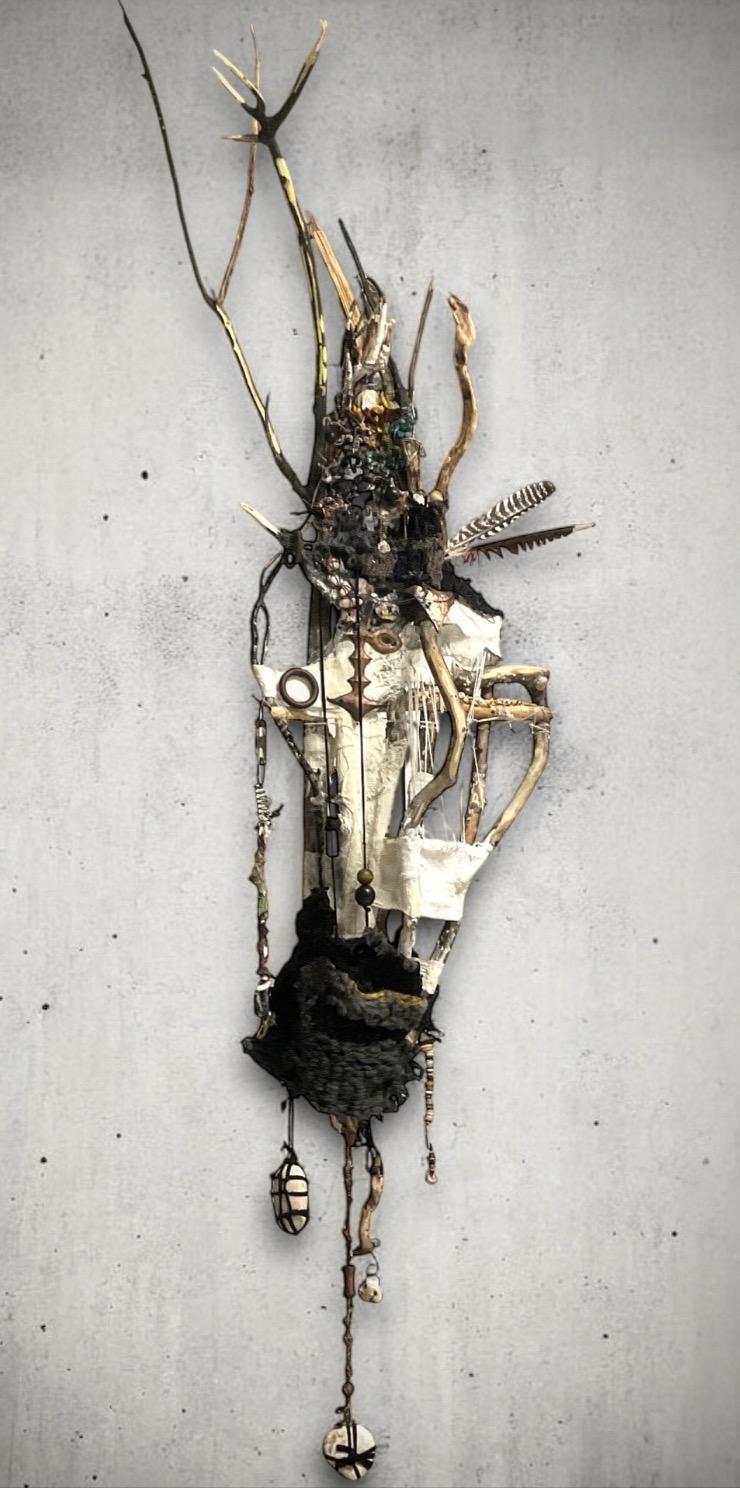
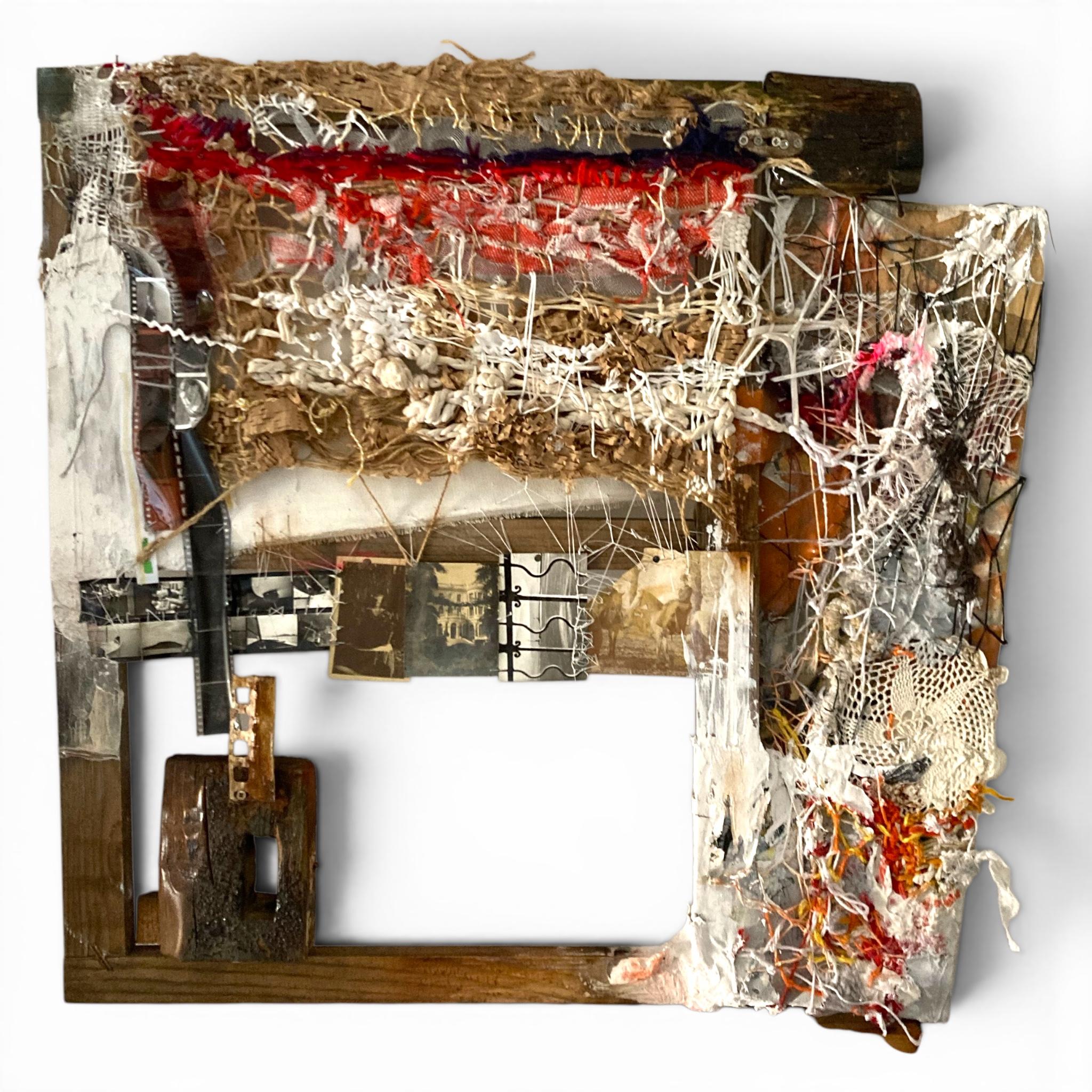
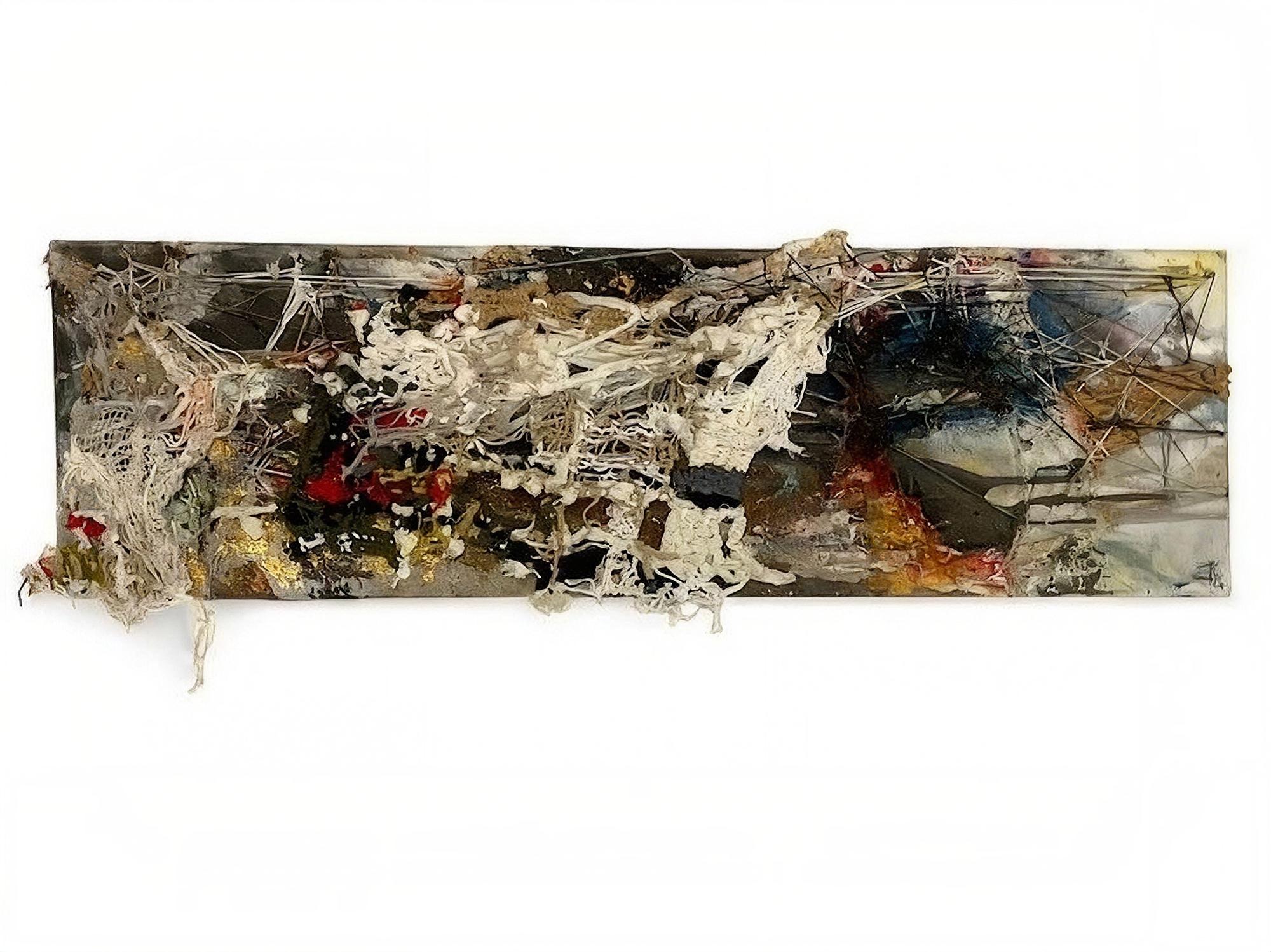
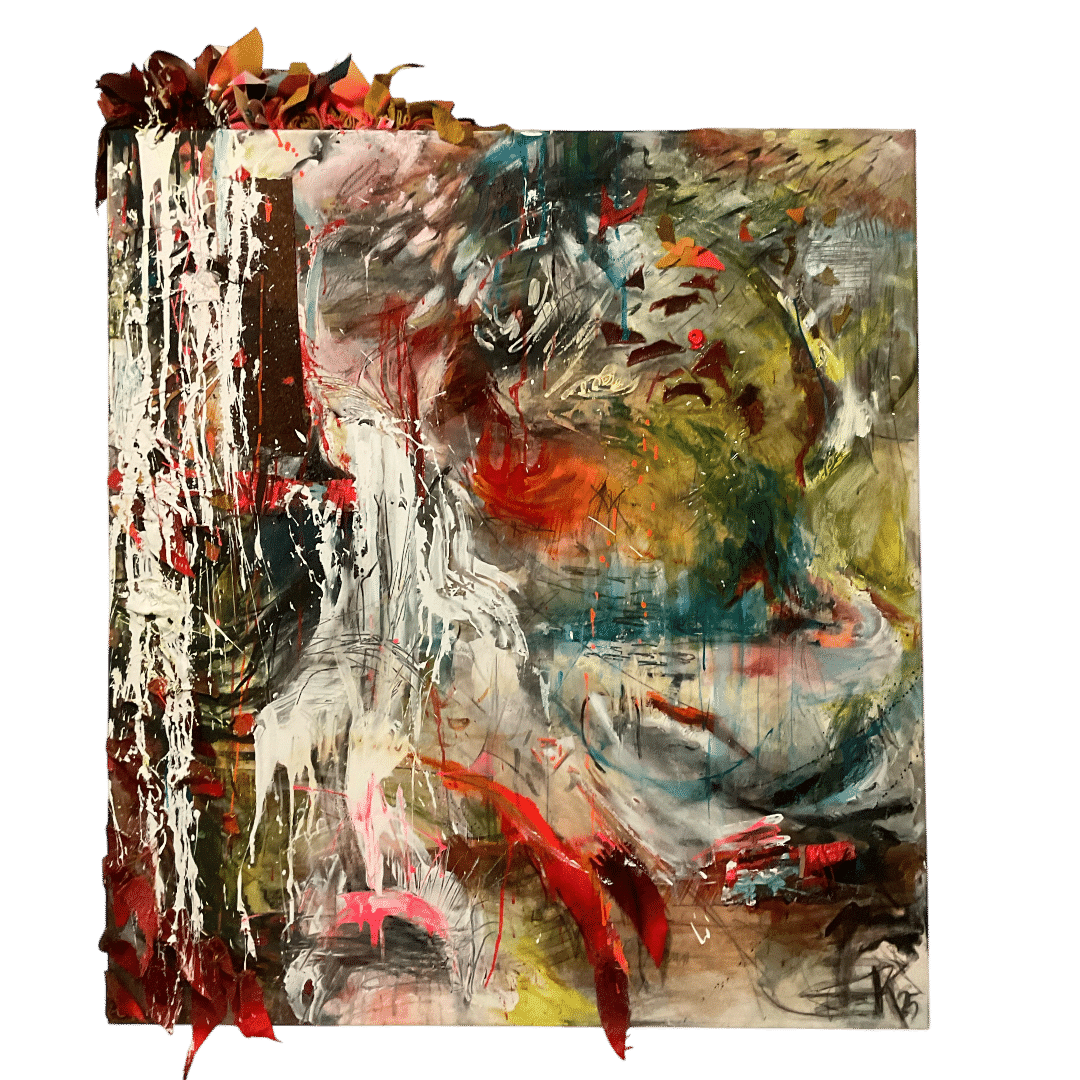
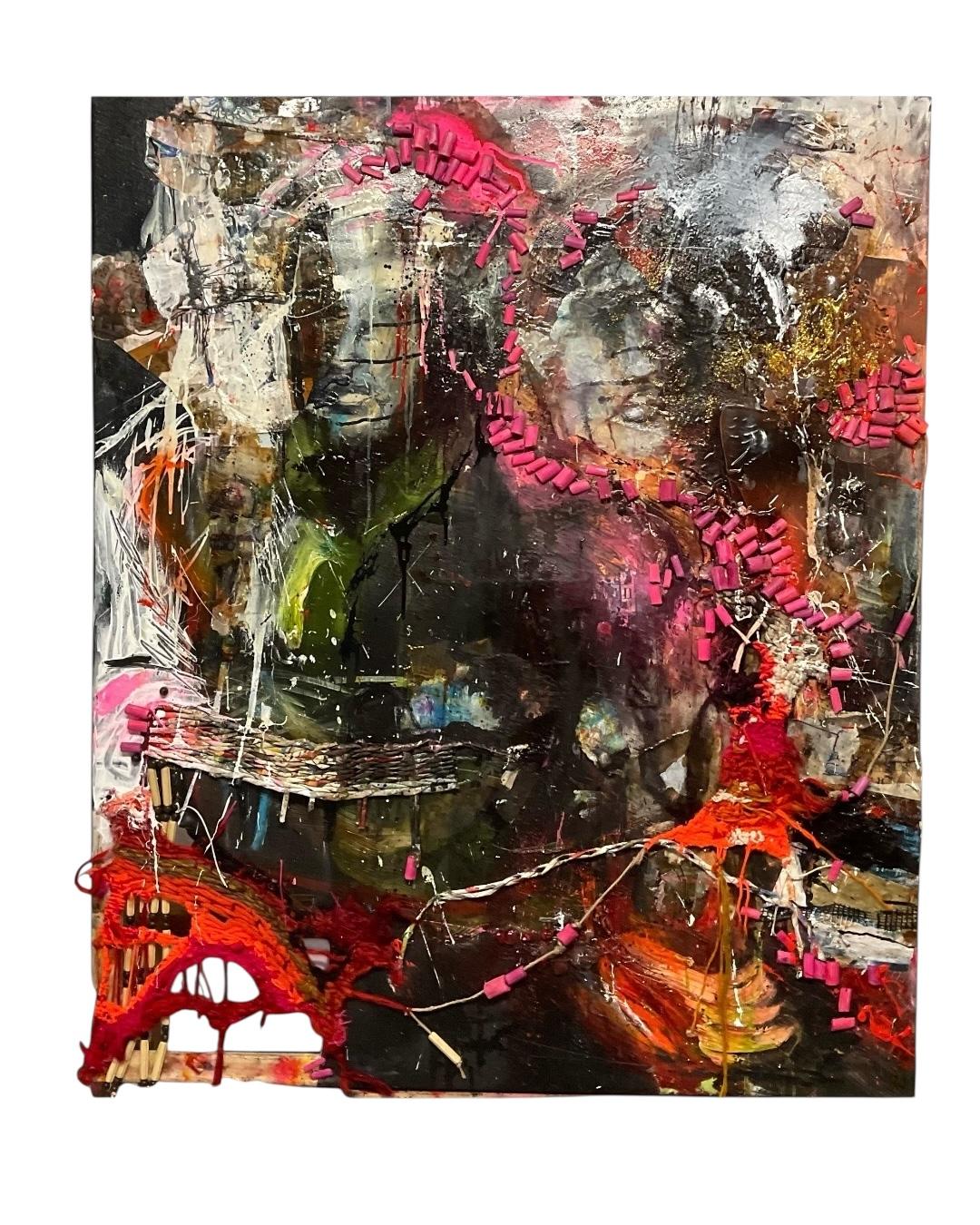
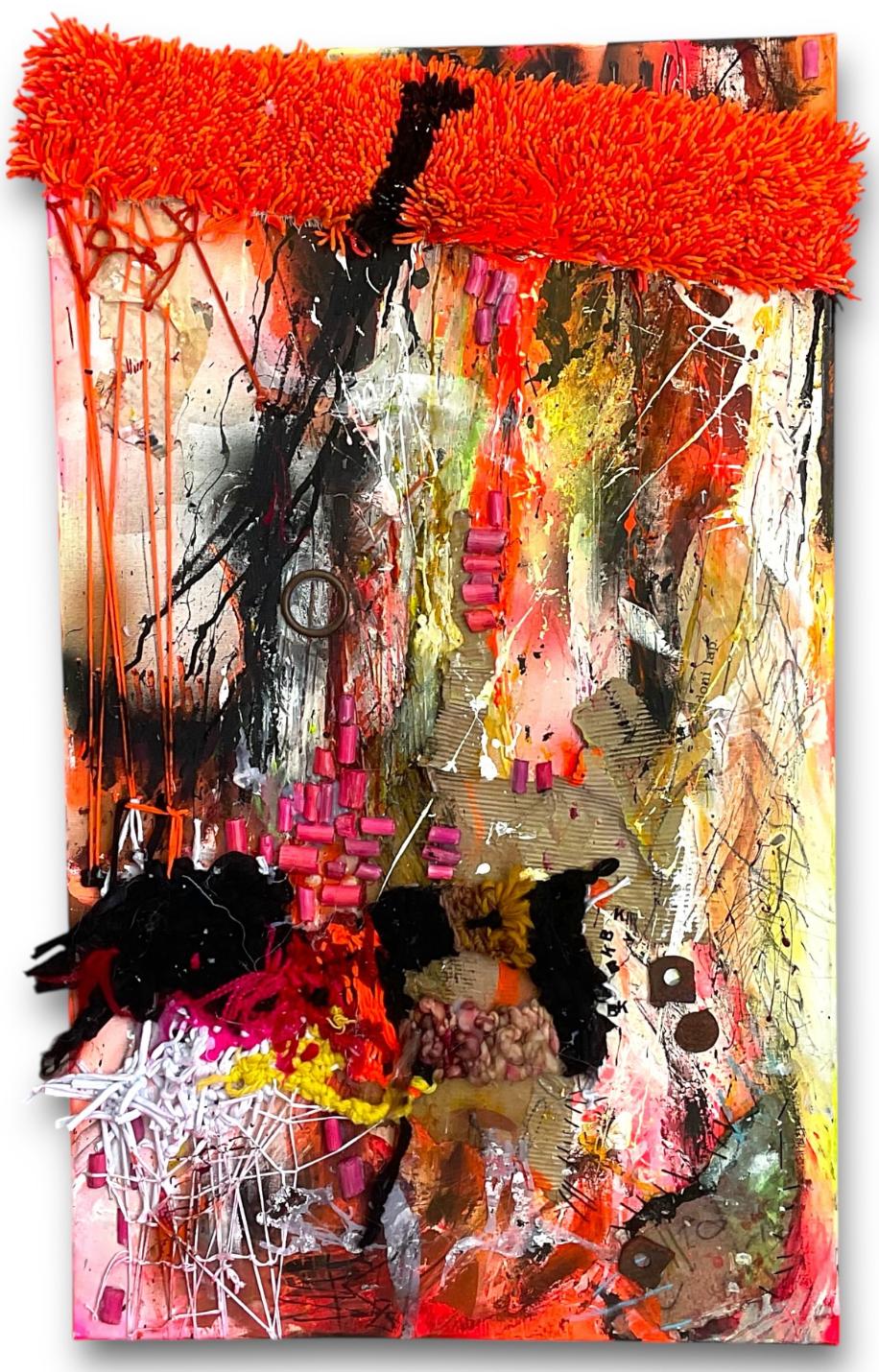
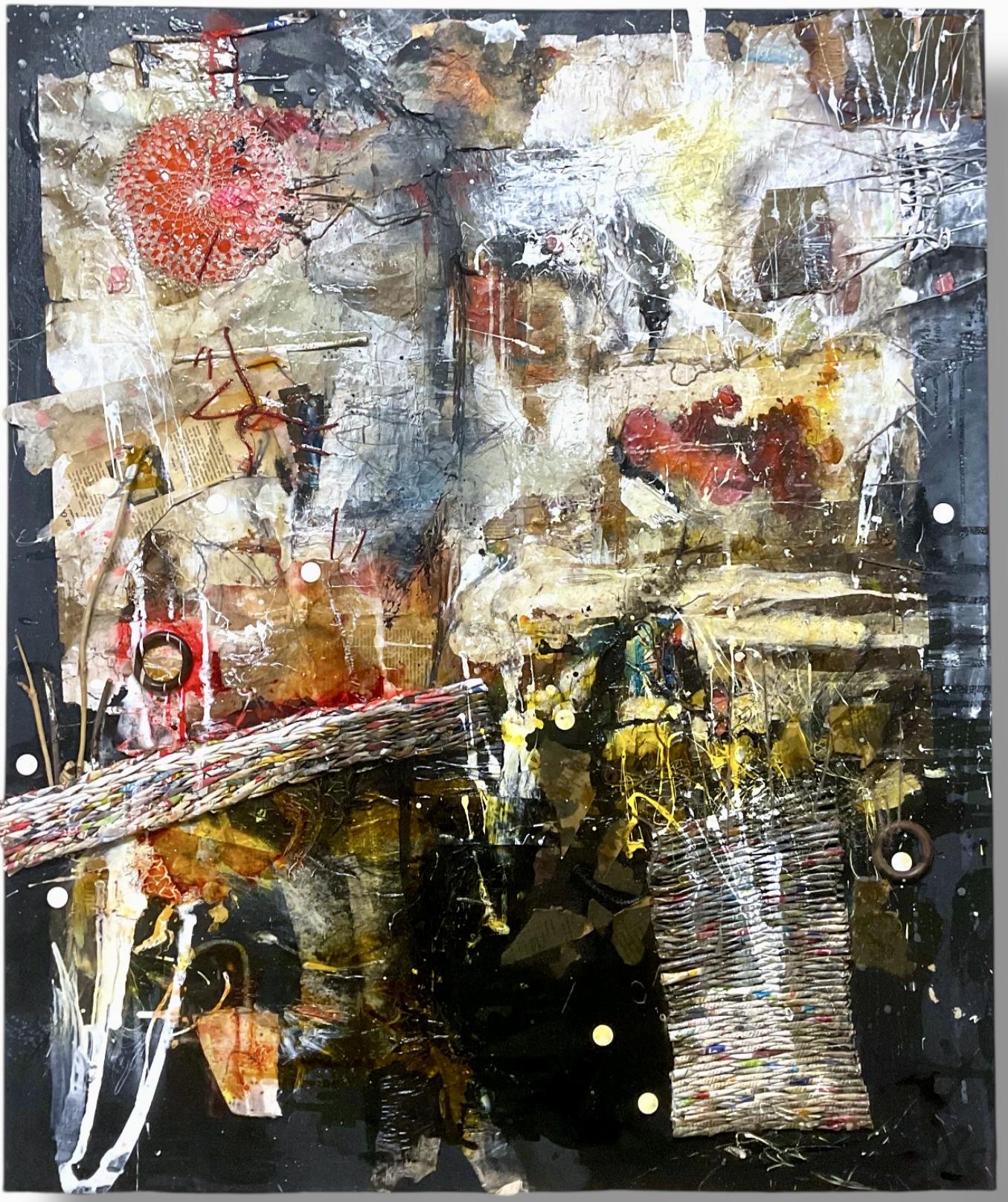
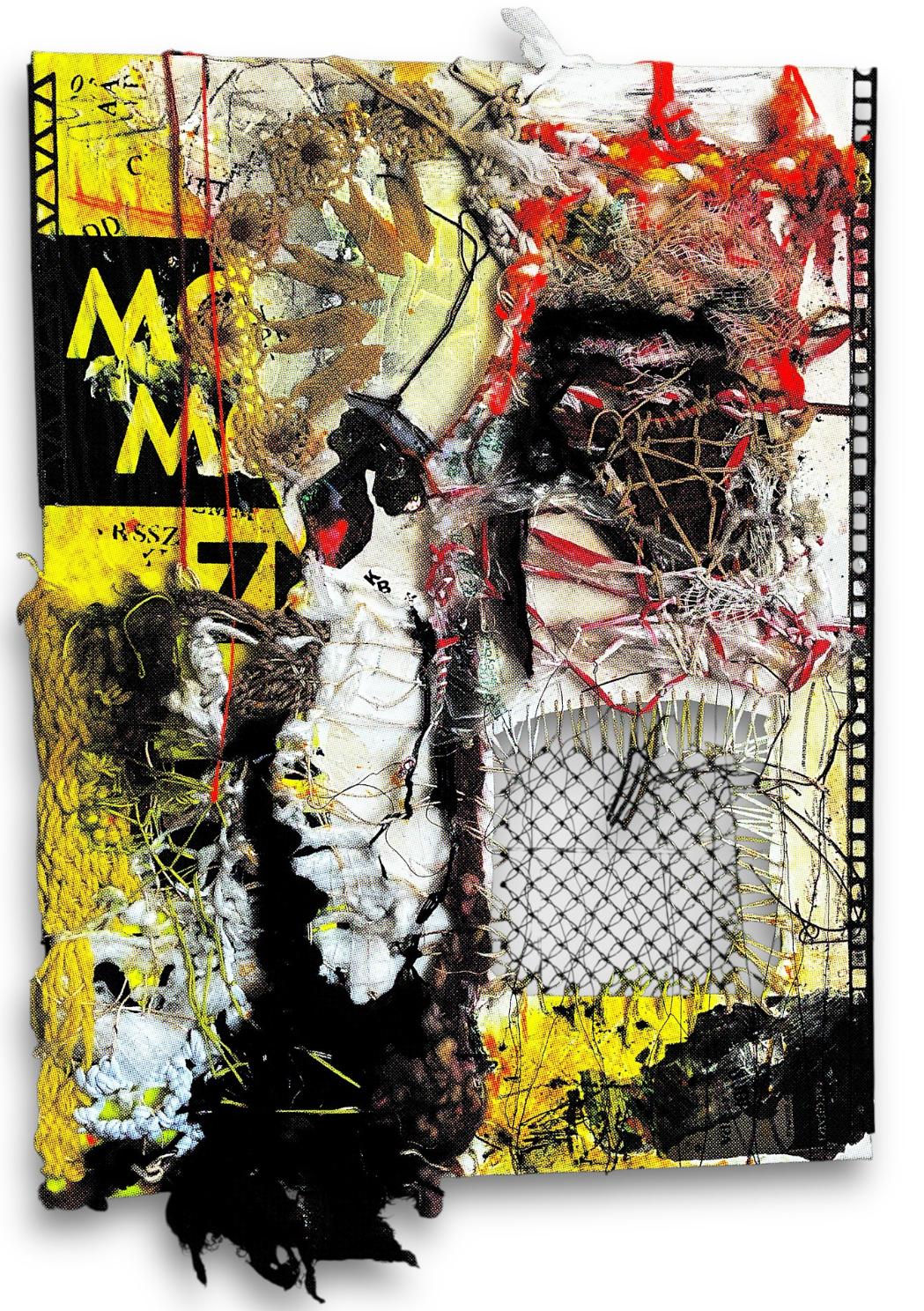
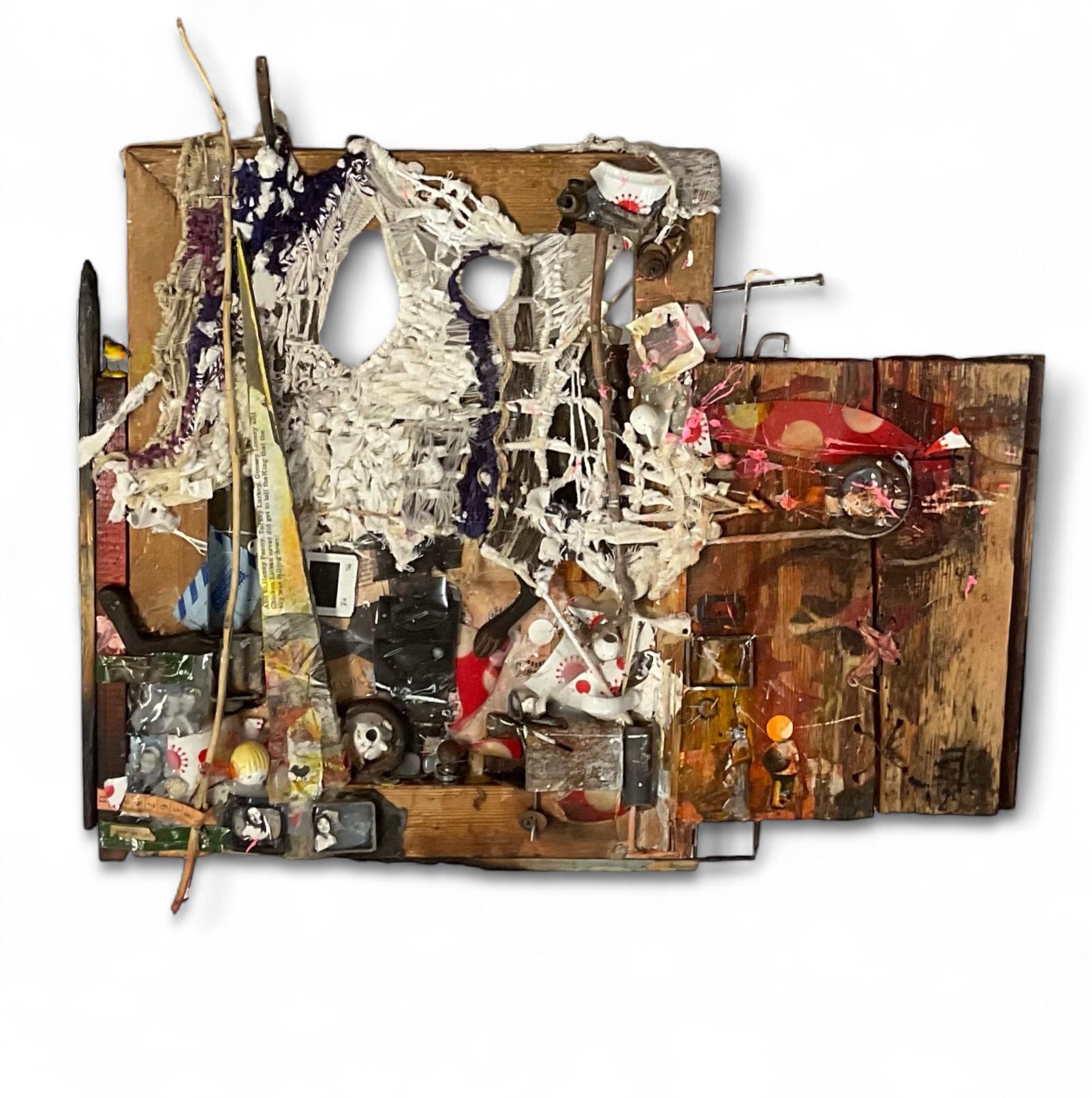
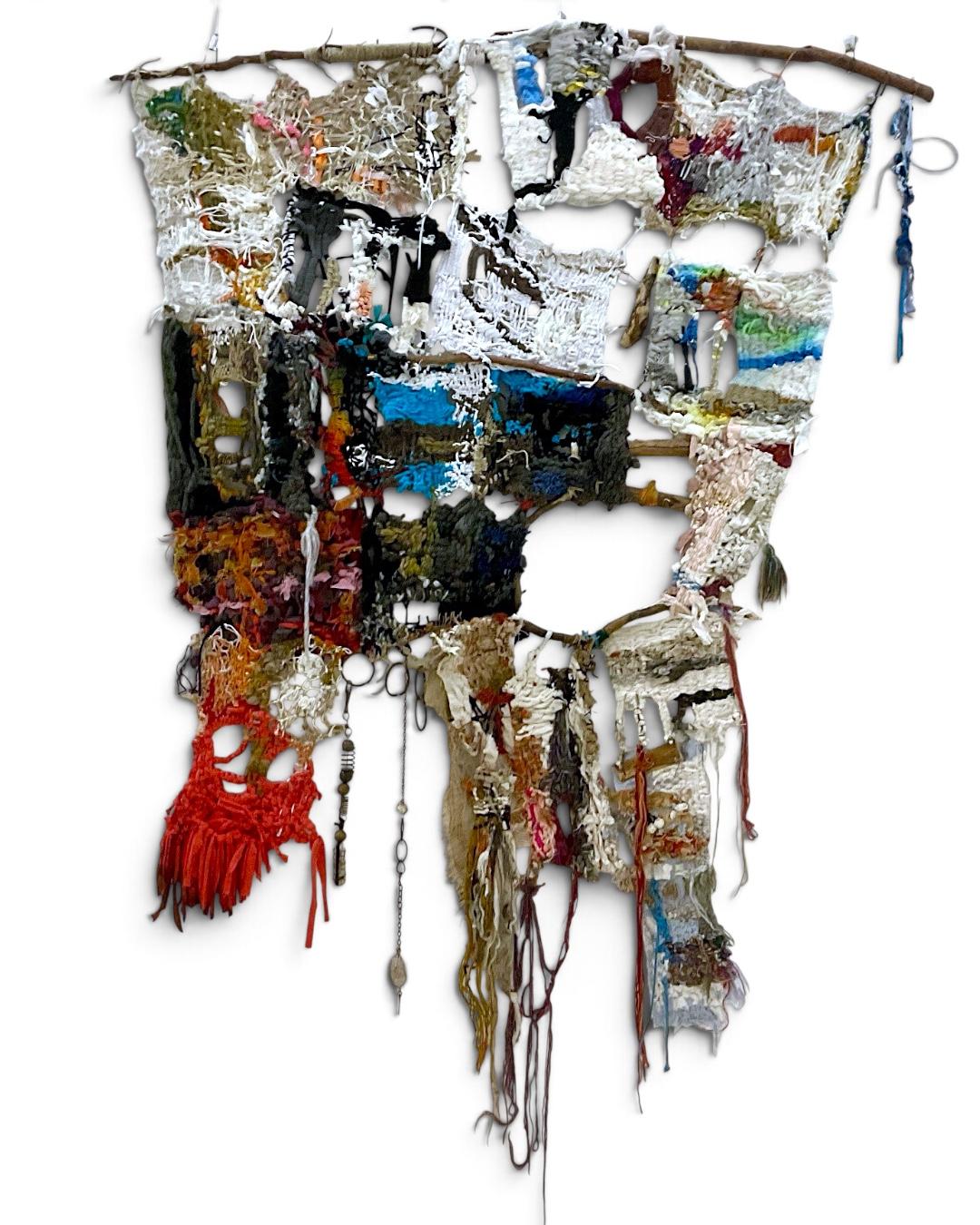
Hungarian-American artist Barbara Koltai explores memory, identity, migration, and belonging through painting, textiles, archival fragments, and found materials. Shaped by the experience of belonging to two cultures while never entirely rooted in either, her work inhabits the shifting territory between places, histories, and identities. Physical, emotional, and psychological movement emerges through tension, displacement, and the pull between opposing states.
Through an intuitive process of layering, stitching, excavation, and repair, Koltai allows material to become a language of its own. Tactile surfaces shift between concealment and revelation, while fragmented figures occasionally emerge as traces within the work. Personal and collective histories intertwine, creating a sense of movement and instability in which identity is continually constructed, disrupted, and reassembled.

Albert-László BARABÁSI

Albert-László BARABÁSI
barabasi.com
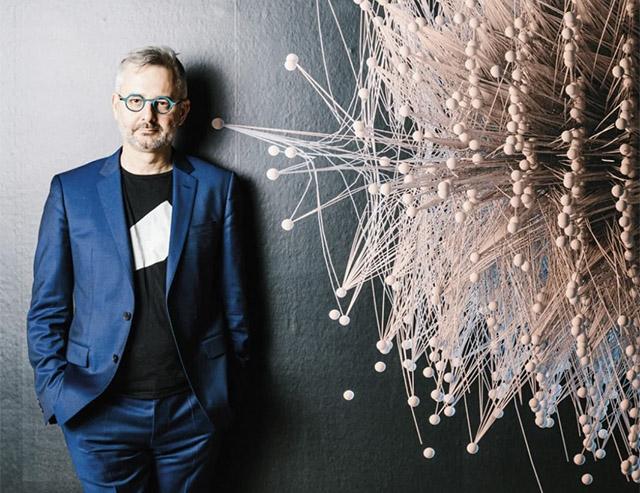
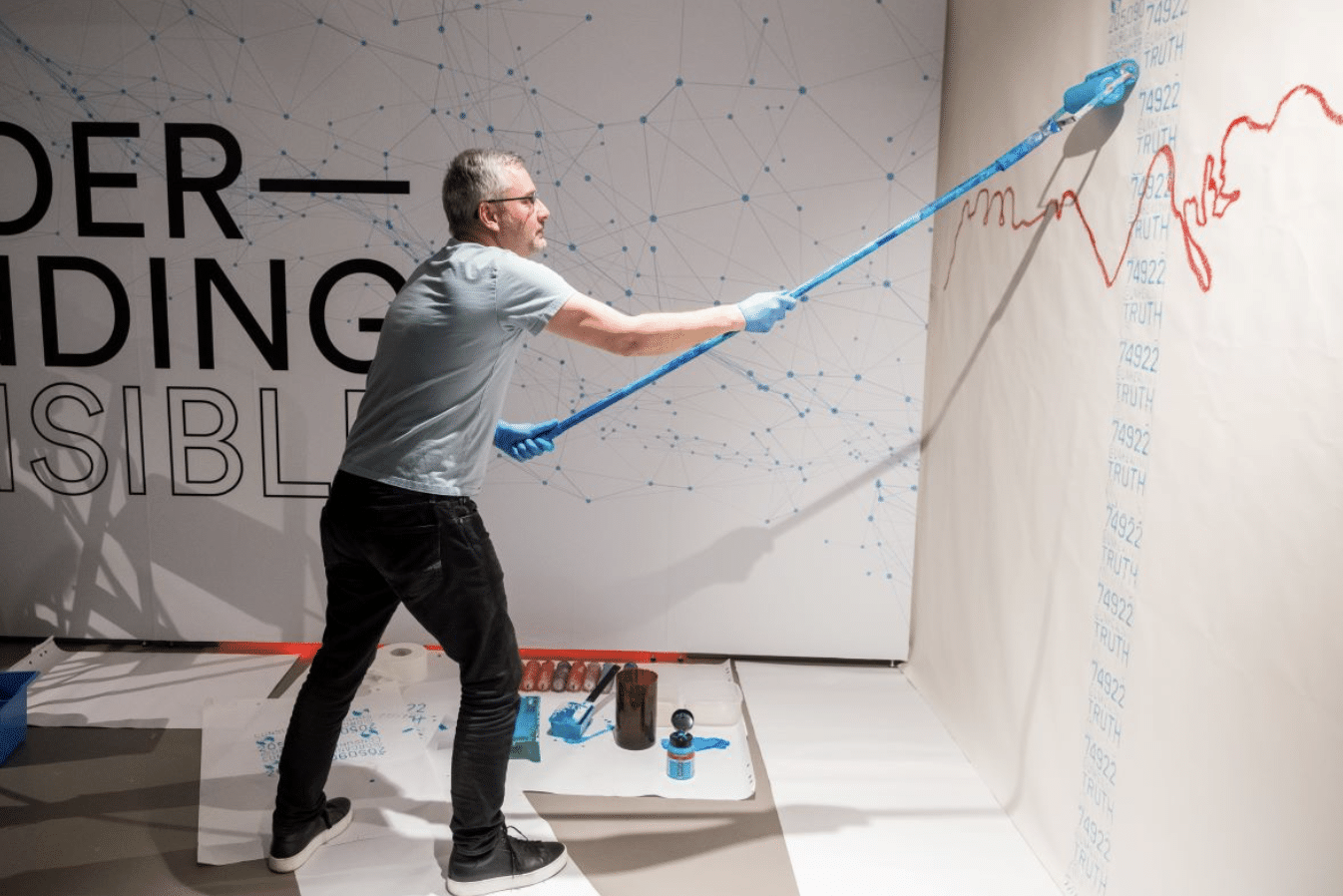
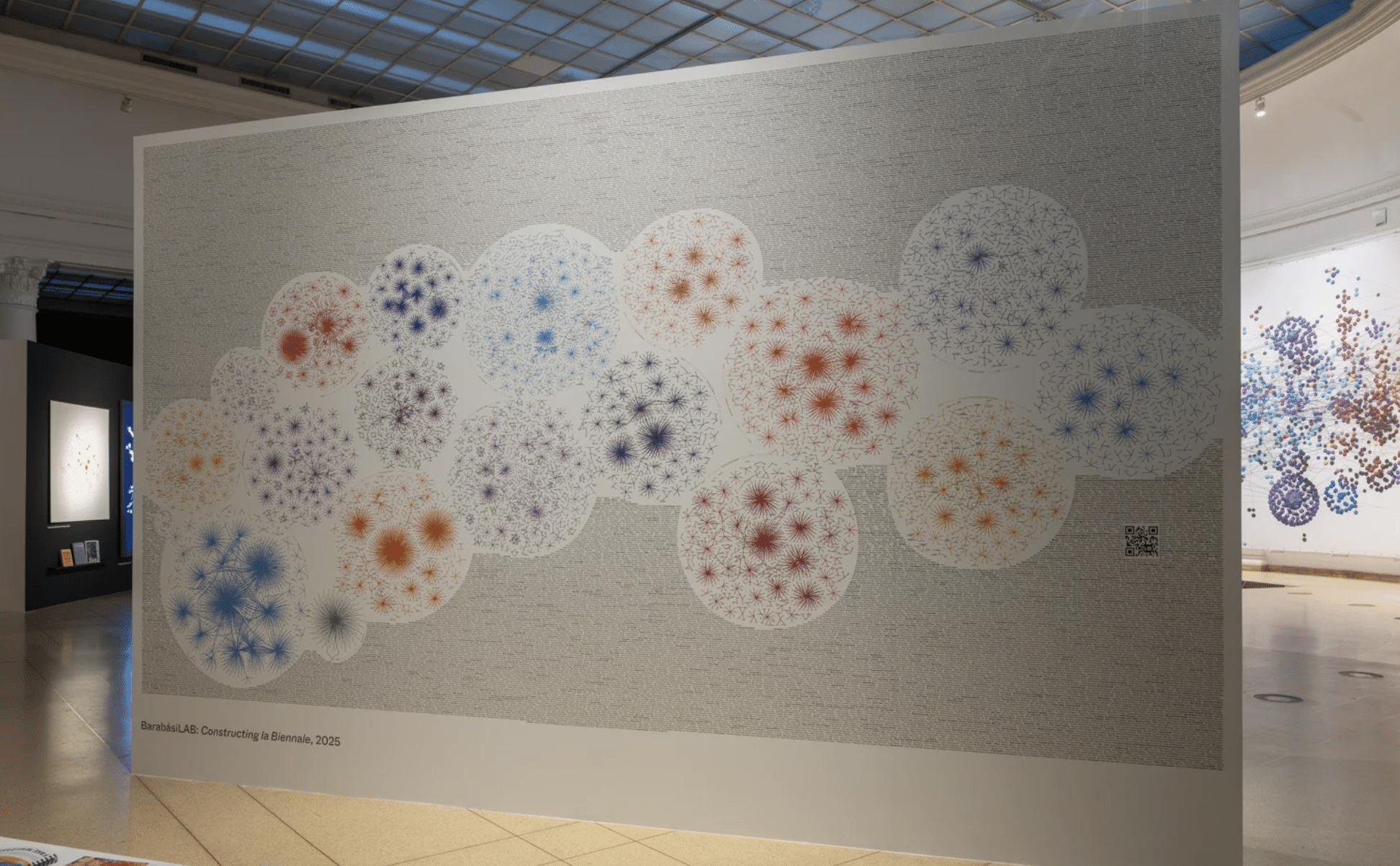
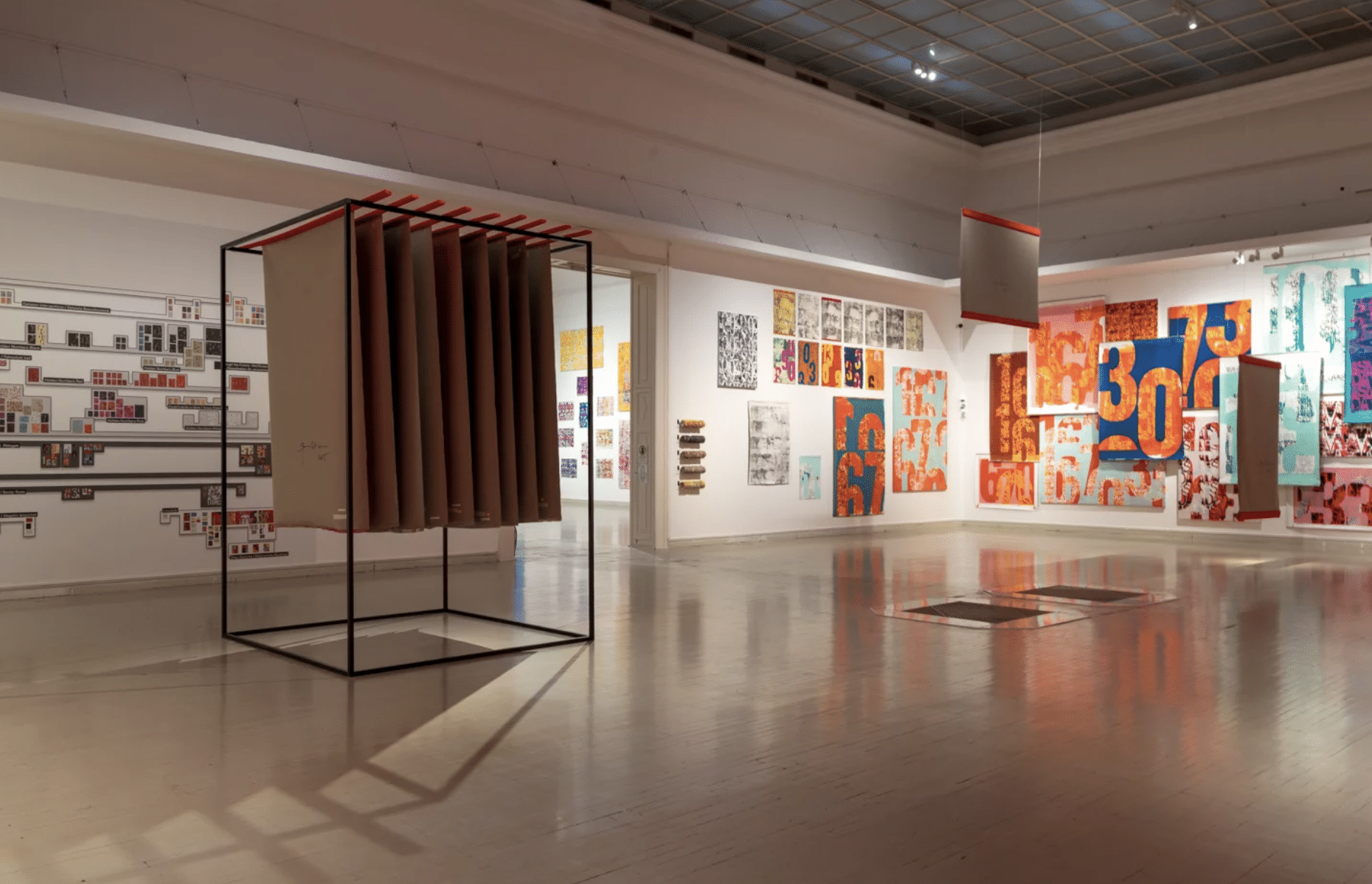
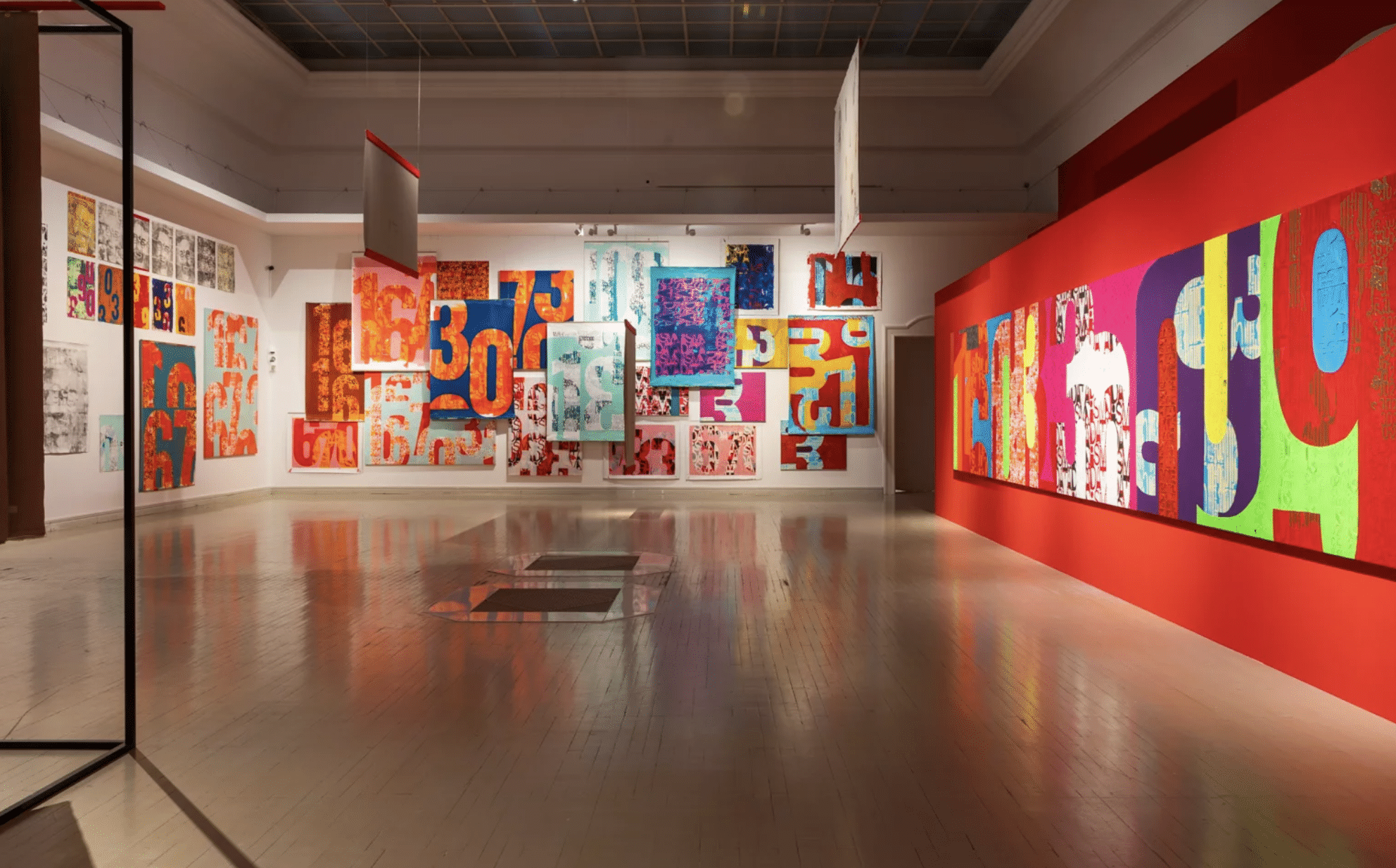
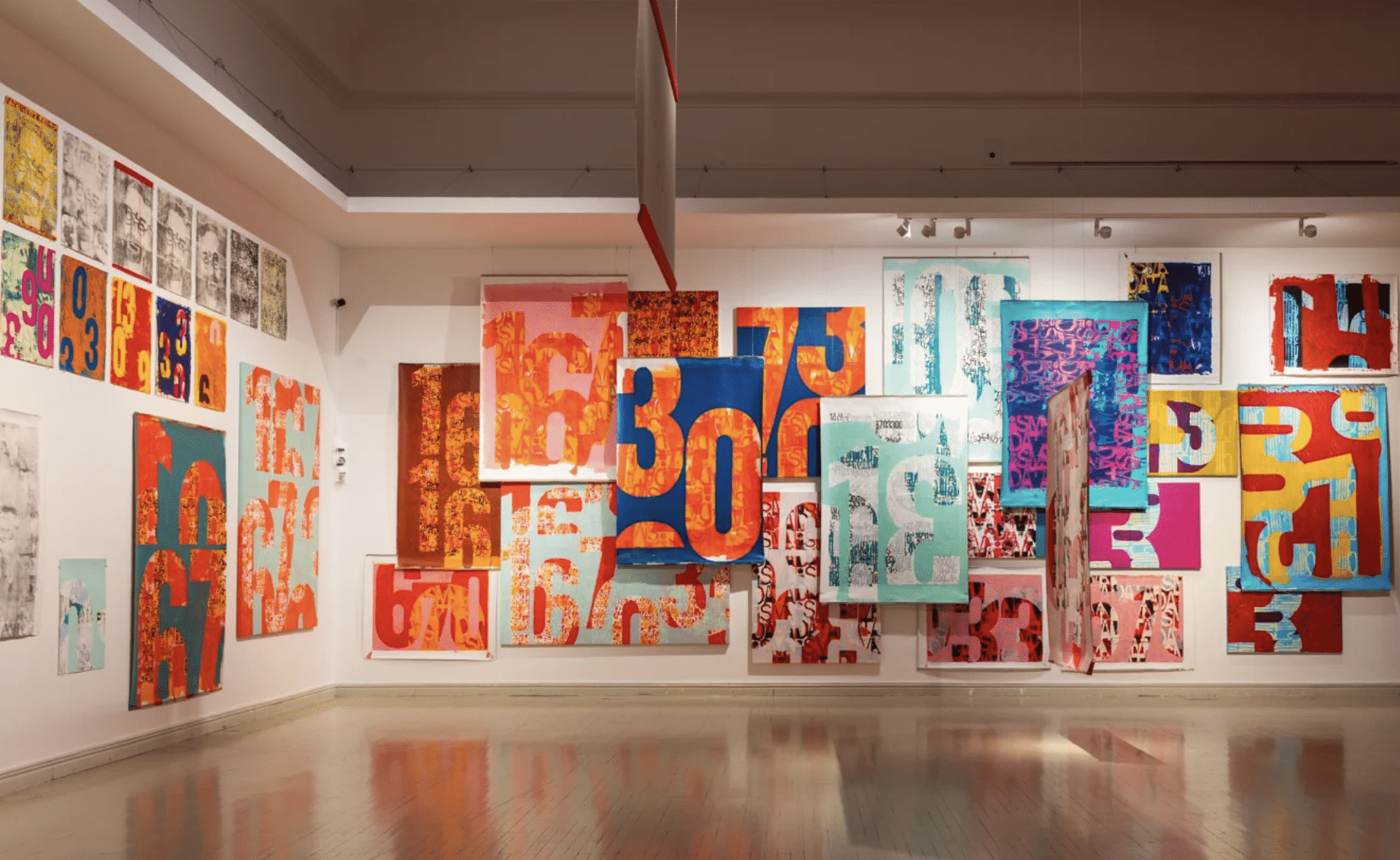
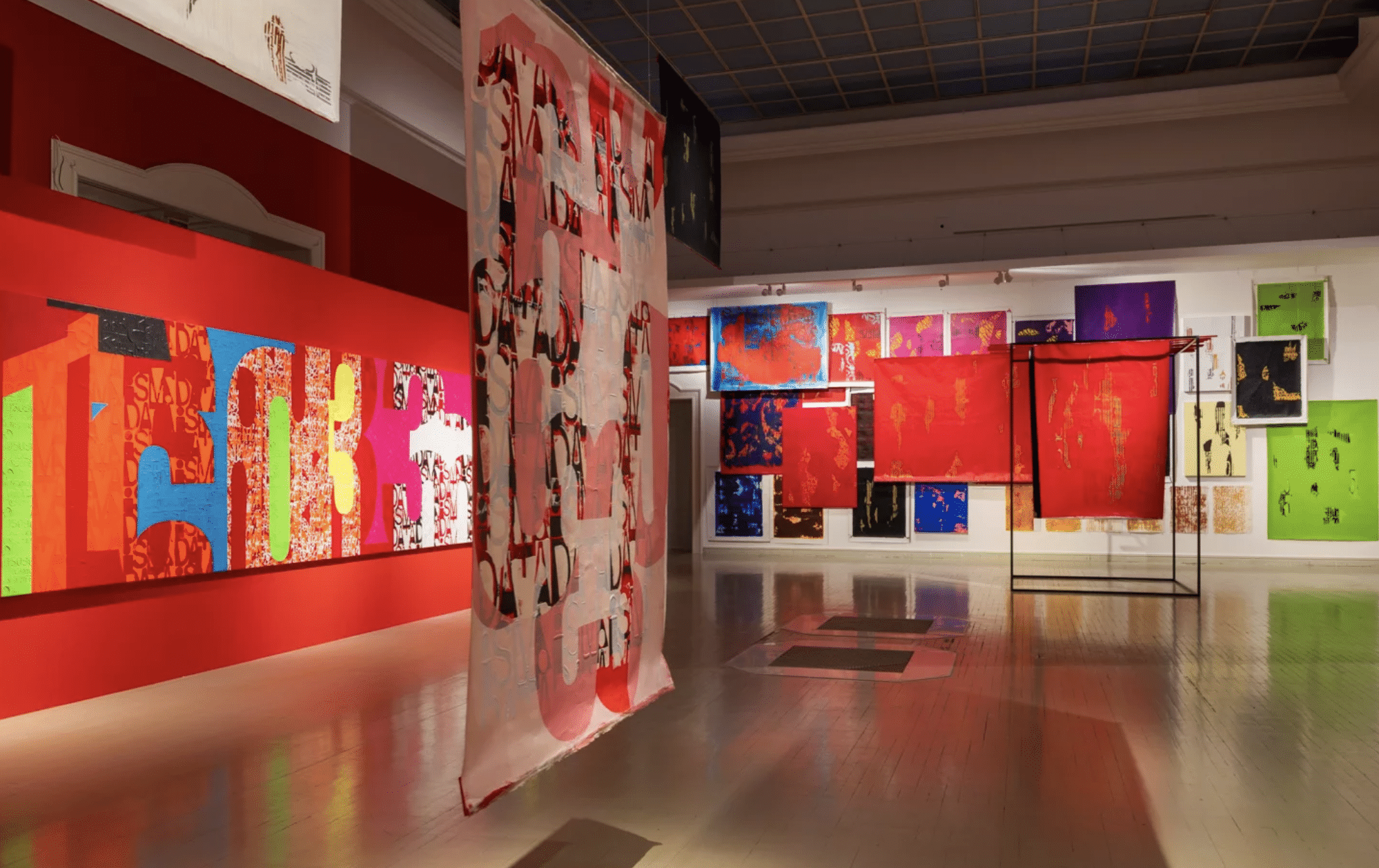
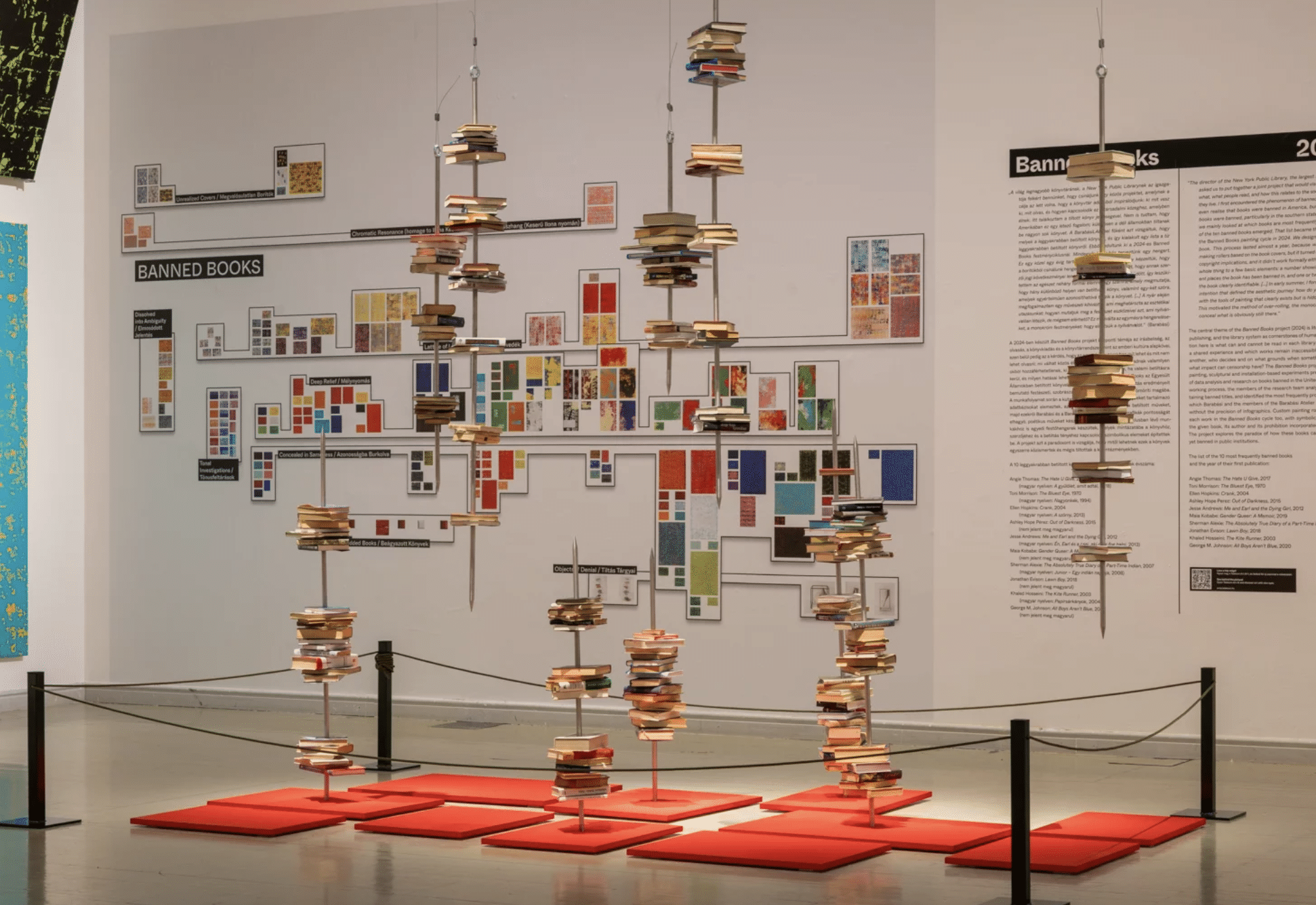
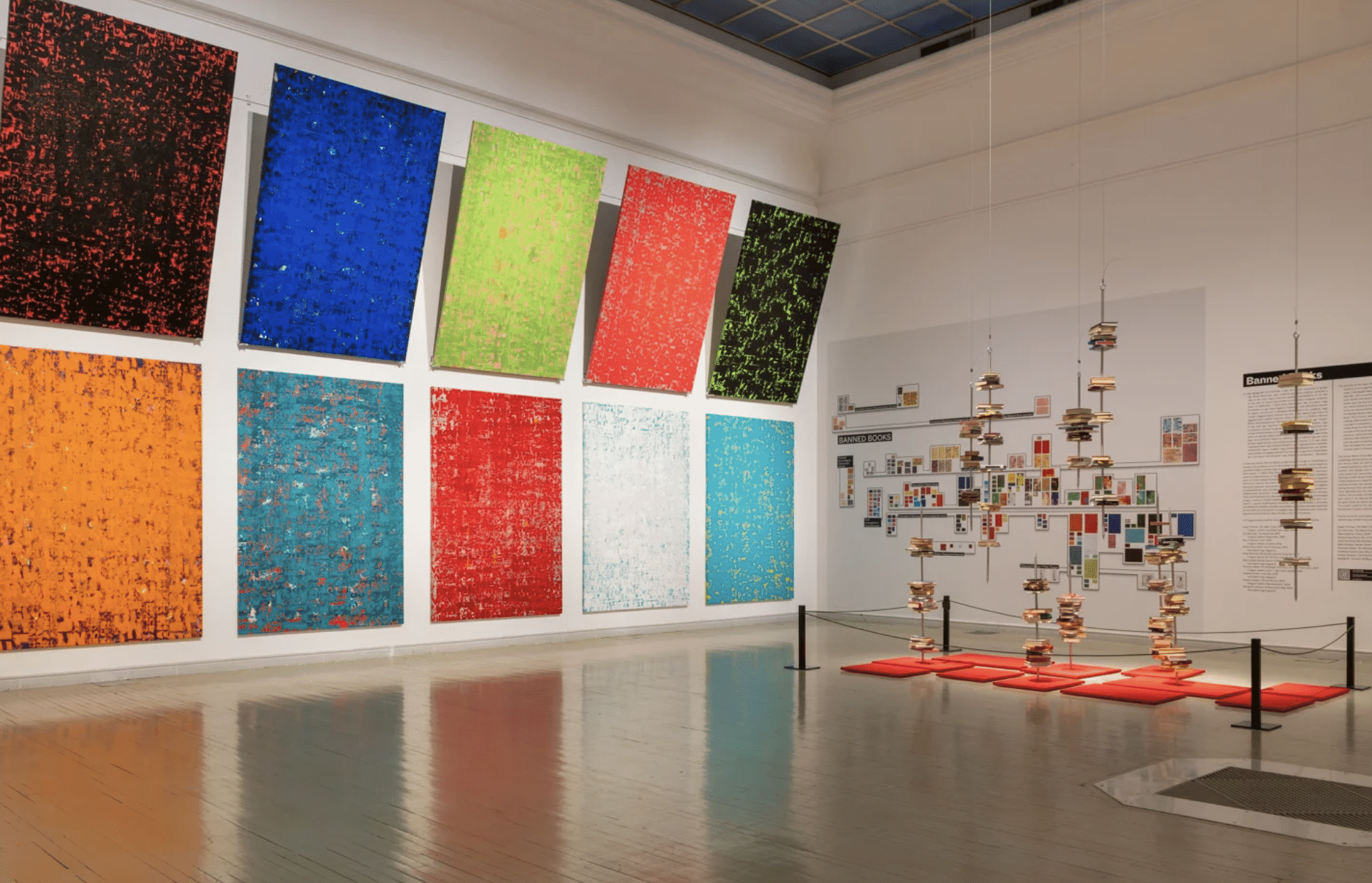
Working across painting, sculpture, installation, and data-driven visualization, Albert-László Barabási explores the invisible patterns and connections that shape contemporary life. His multidisciplinary practice transforms data into a visual and material language, moving between computational processes, technological experimentation, and more intuitive forms of making. Developed through the Barabási Atelier, his recent projects engage with subjects ranging from fake news and banned books to numbers and cultural networks, while also drawing on personal history—including the patterned paint rollers used by his grandfather, a house painter in Transylvania.
Barabási is primarily known as a world-renowned network scientist and the founder of the Barabási Lab, whose pioneering research has fundamentally shaped our understanding of complex networks. His artistic practice grows out of this scientific inquiry, extending questions of networks, systems, and connectivity into the physical and visual realm. Positioned between laboratory and studio, science and art, his work makes structures that often remain unseen tangible, turning data into both medium and subject.

Dániel CZAGA

Dániel CZAGA
Dániel CZAGA
Dániel CZAGA
danielczaga.com
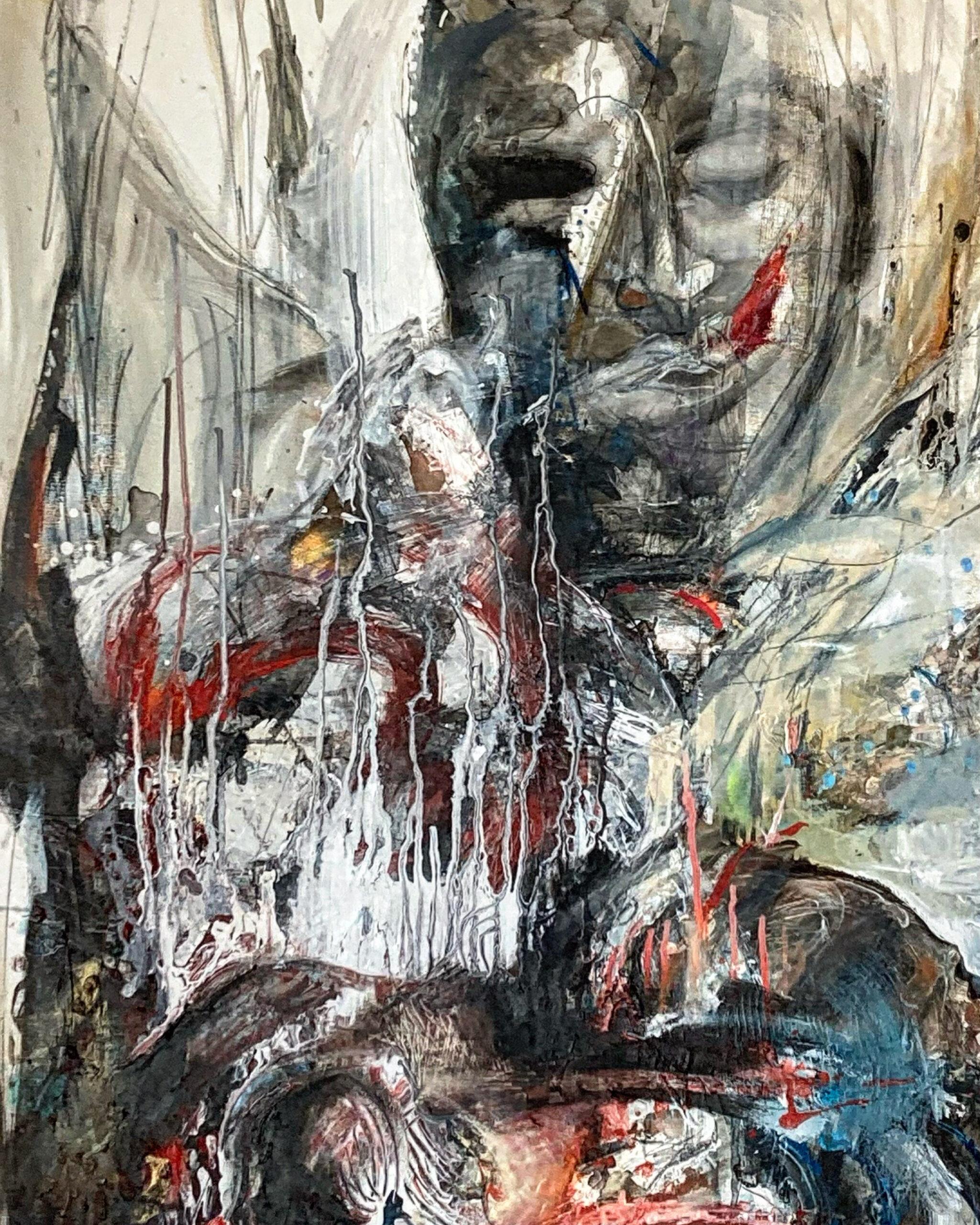
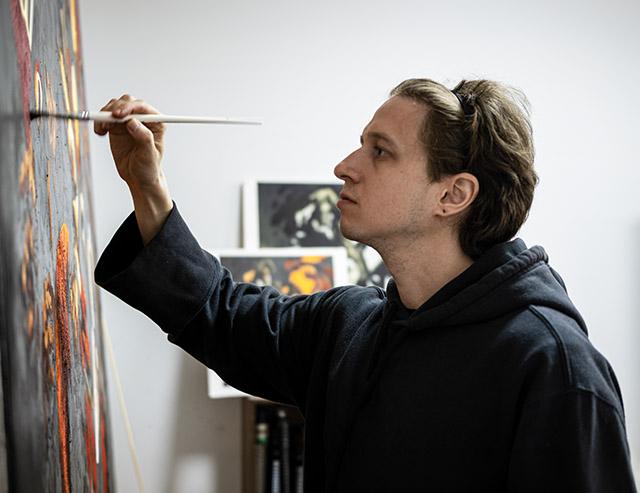
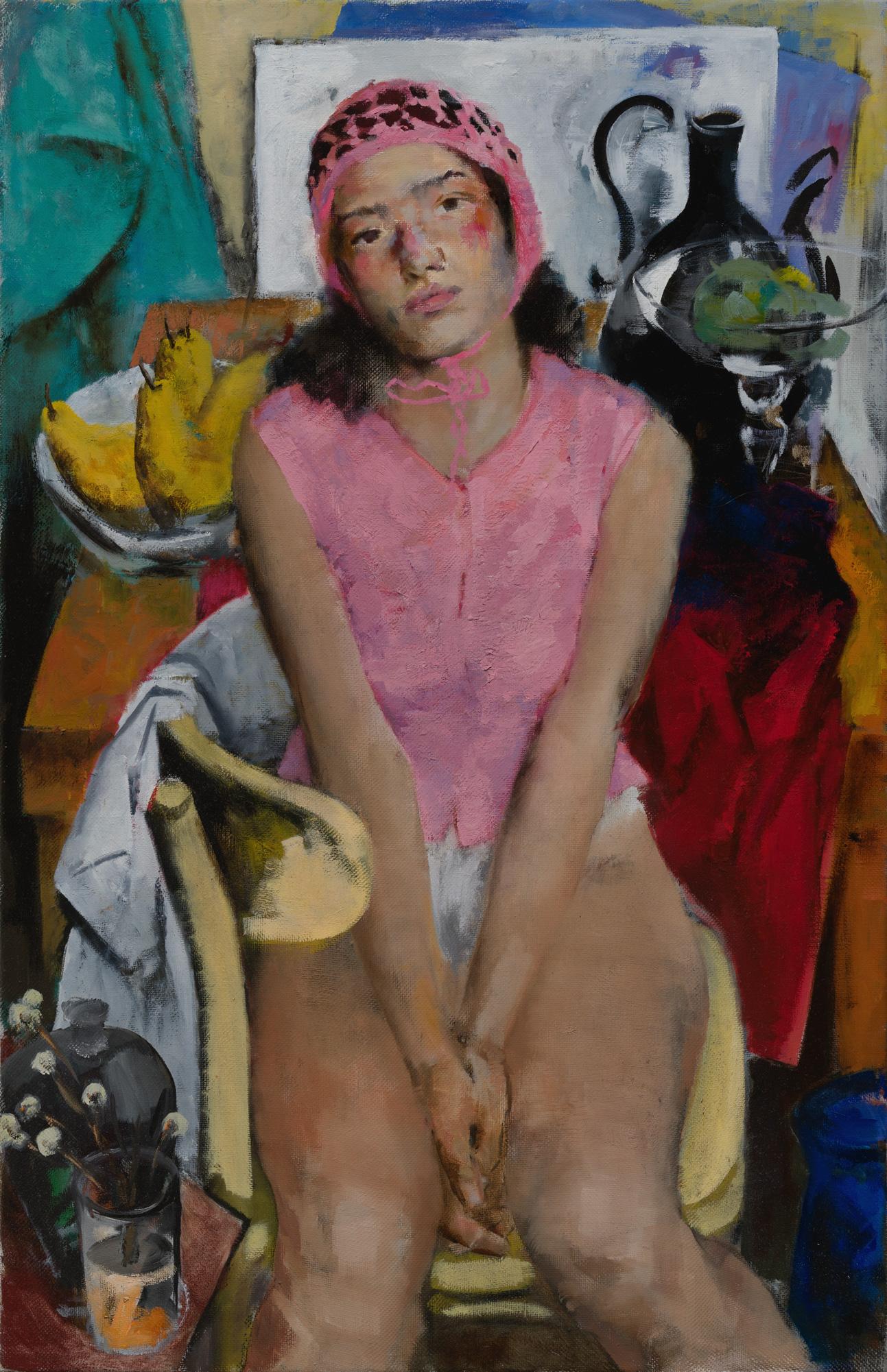
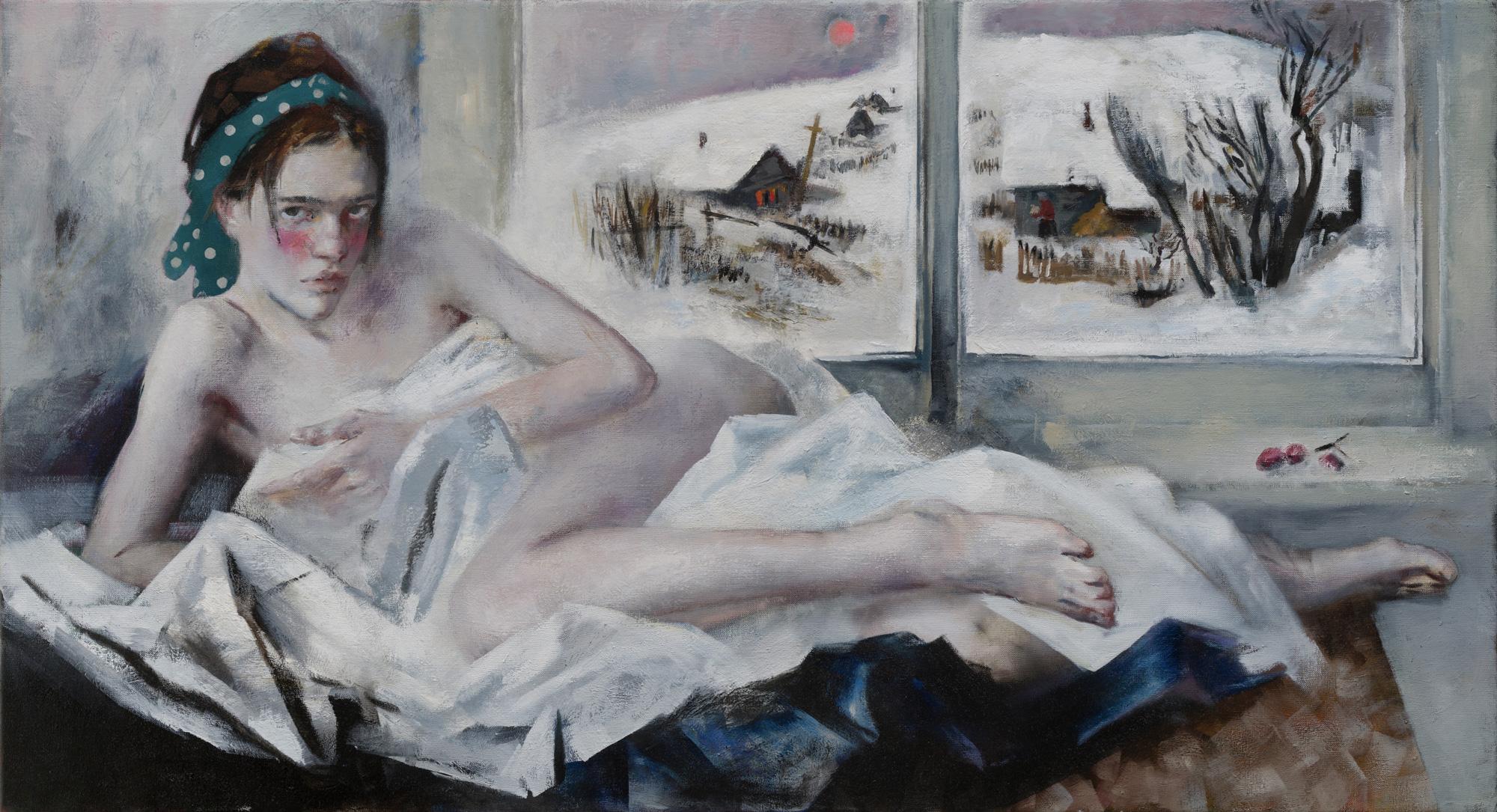
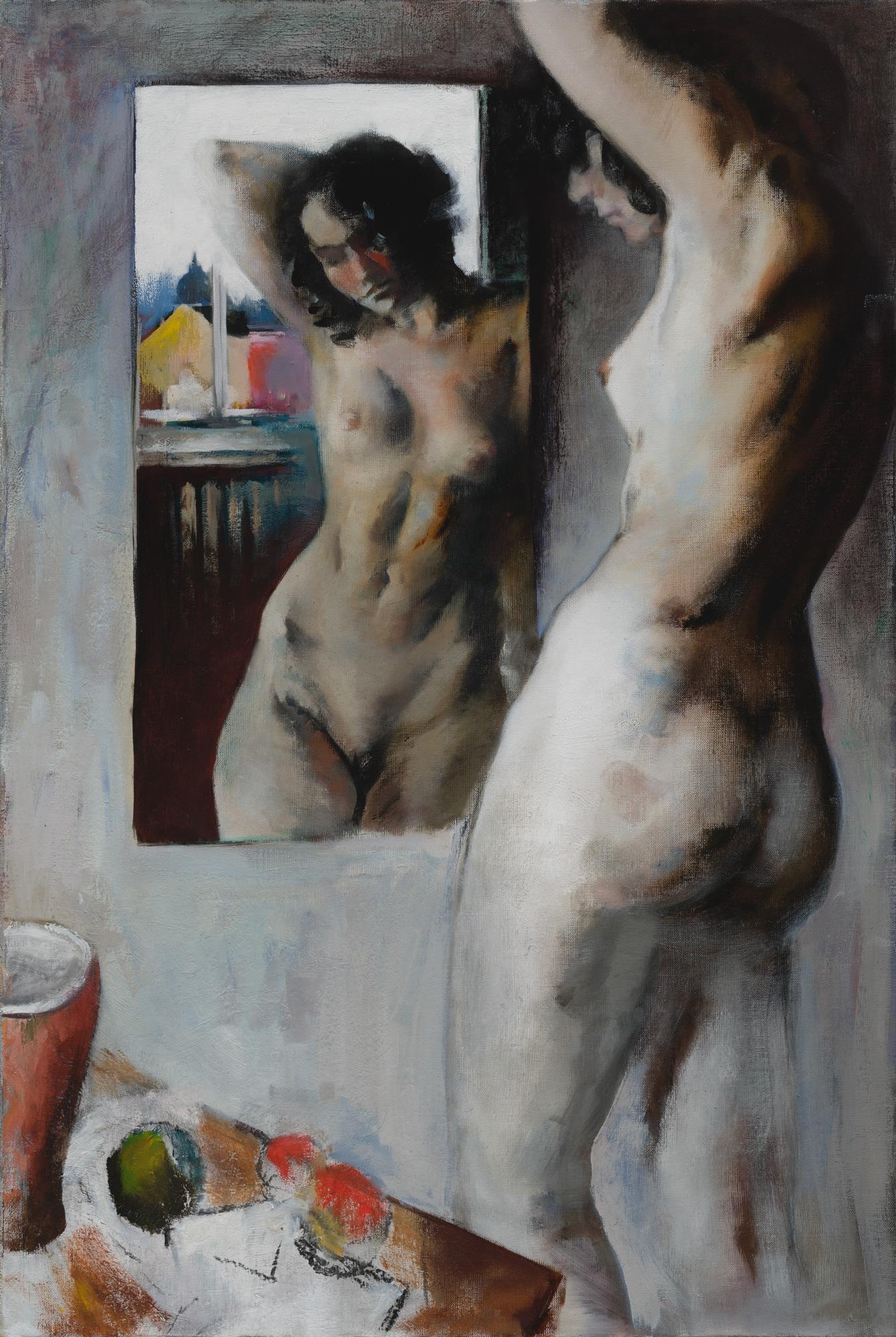
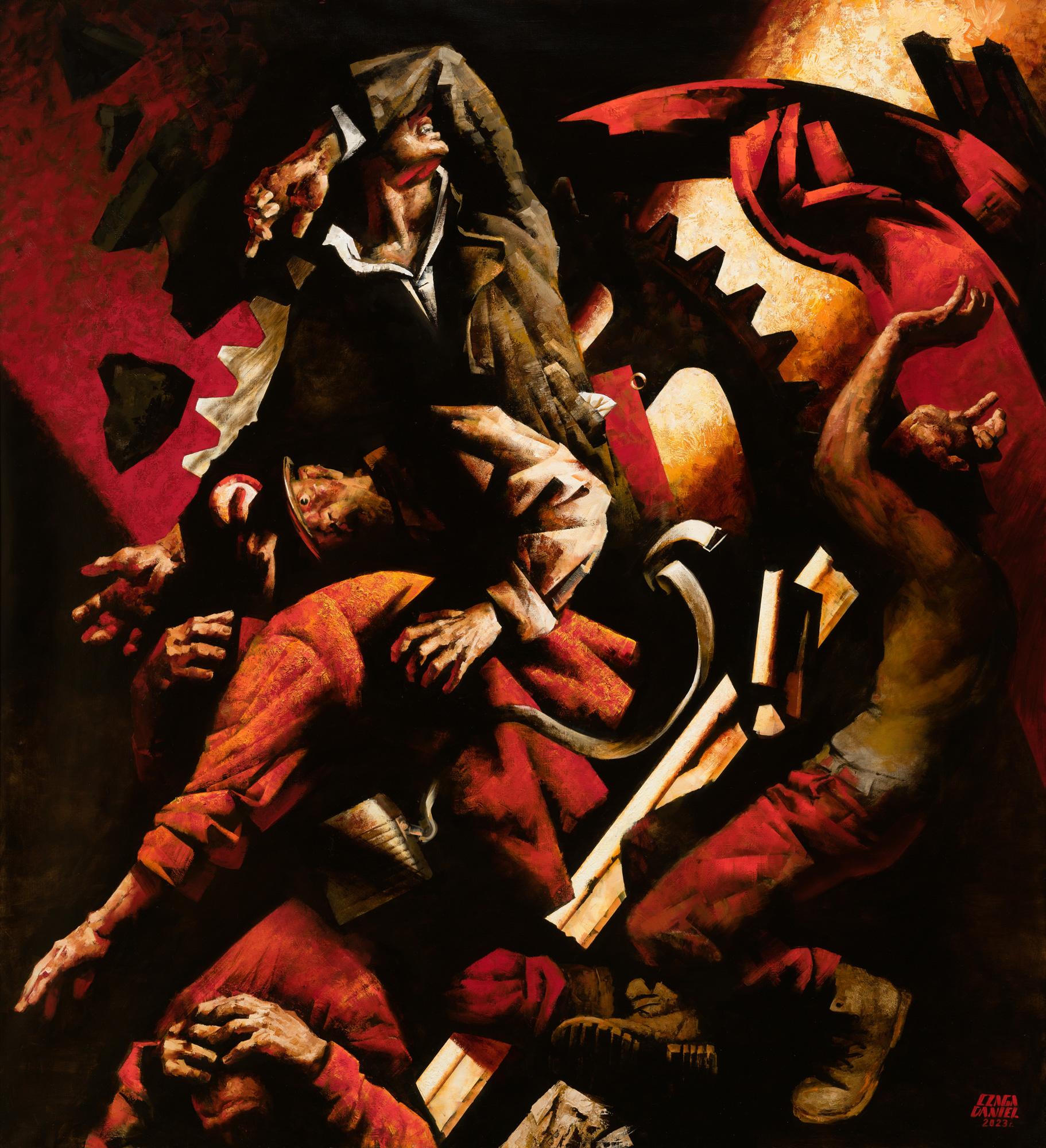
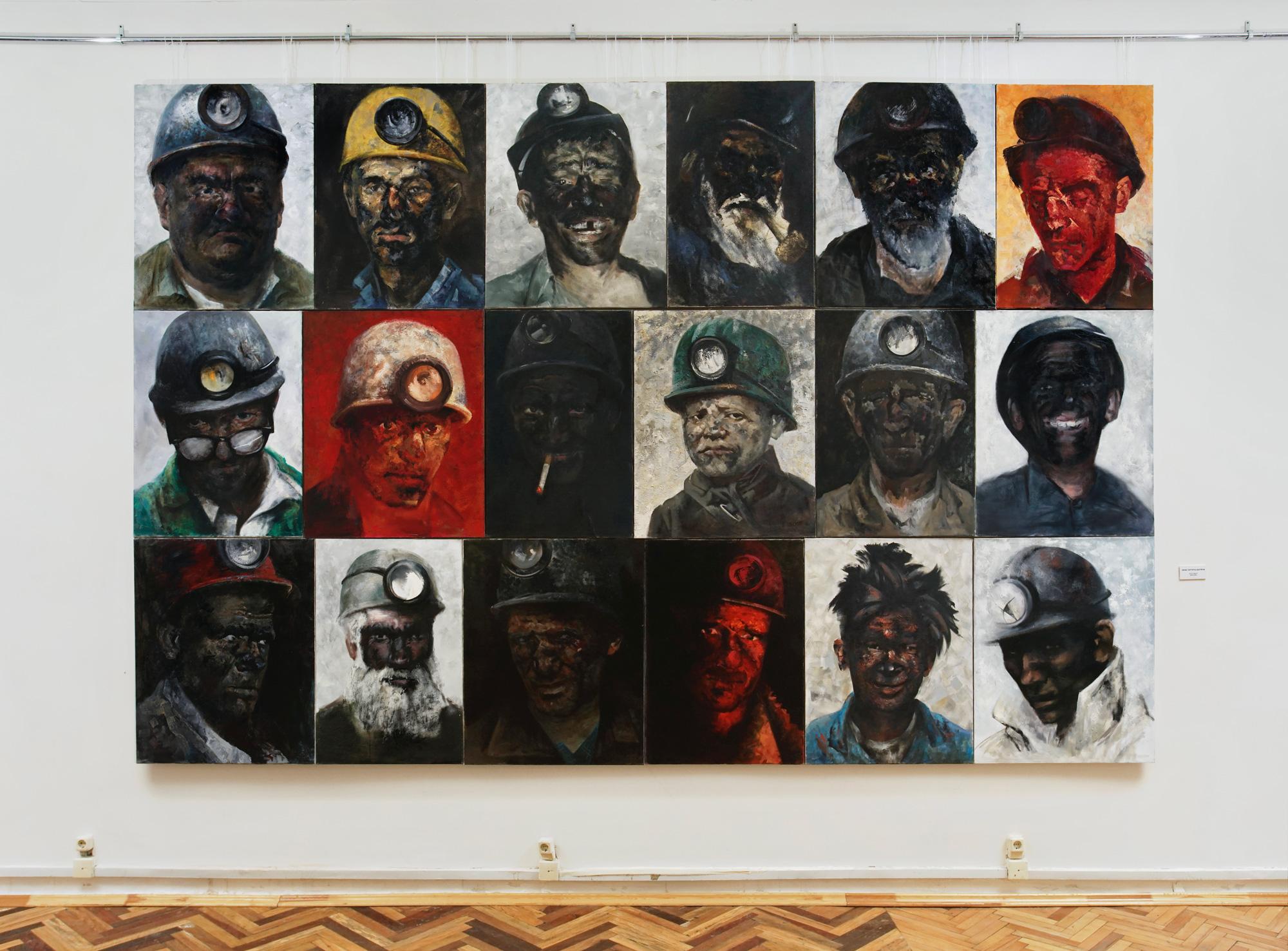
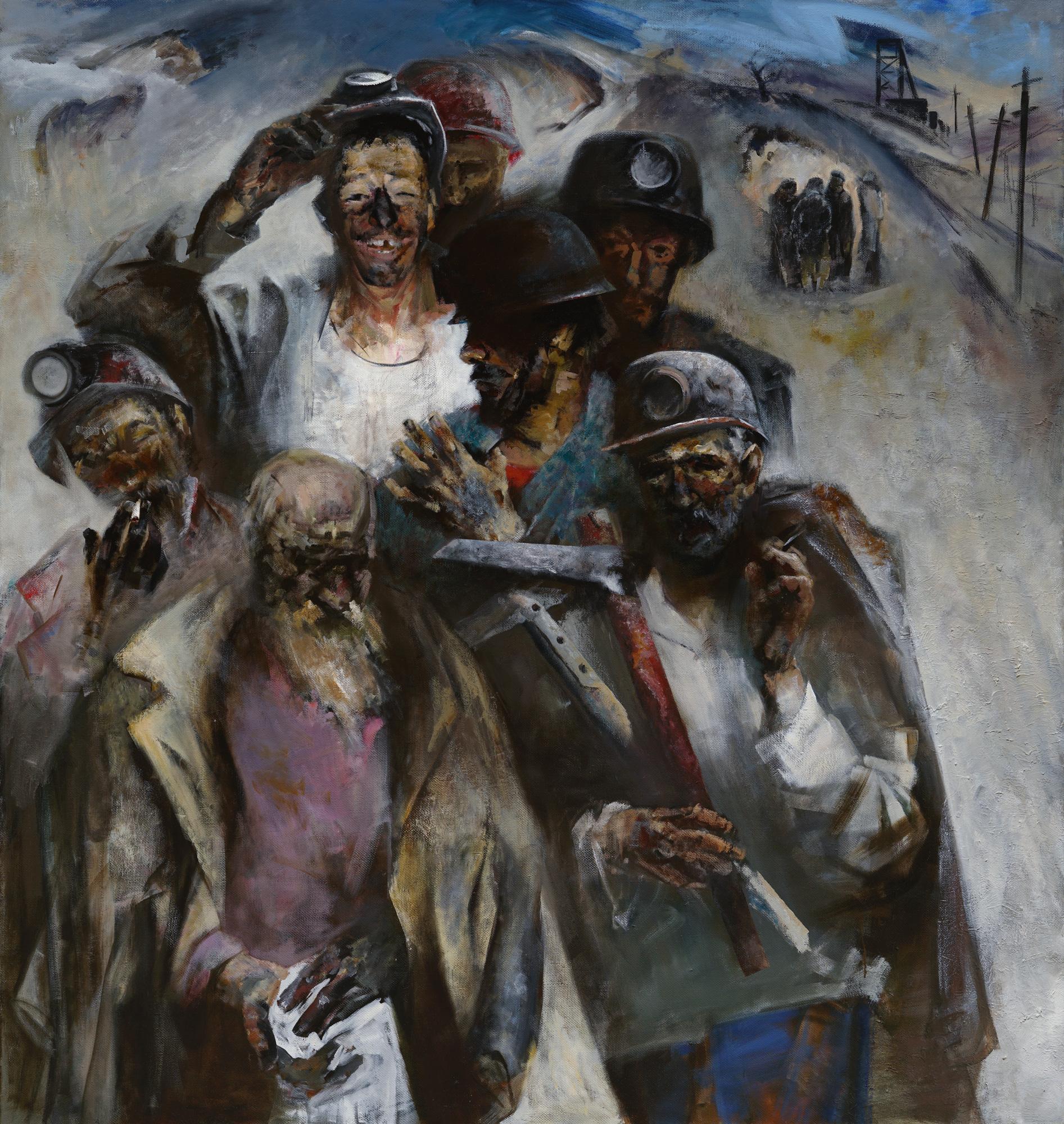
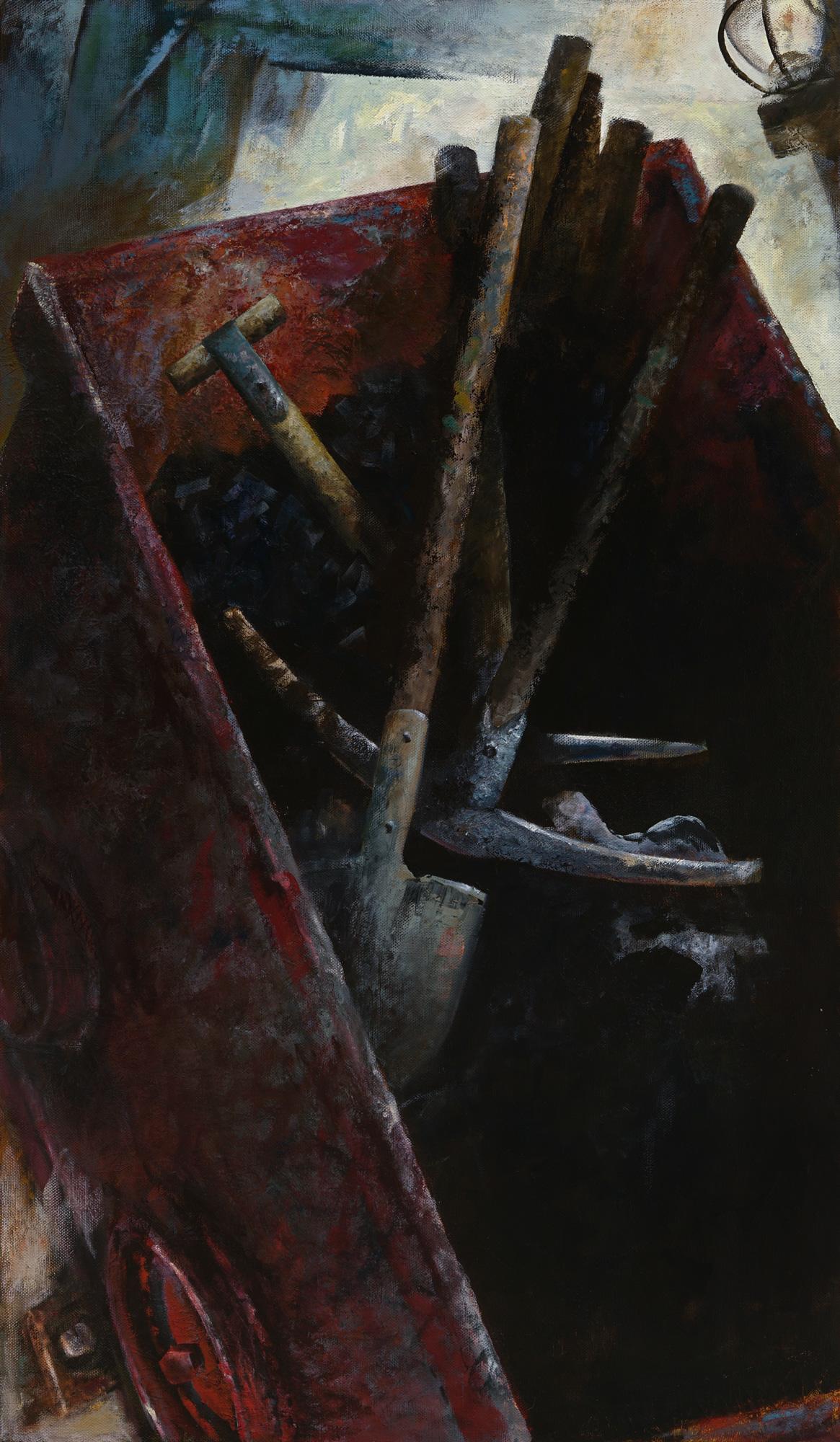
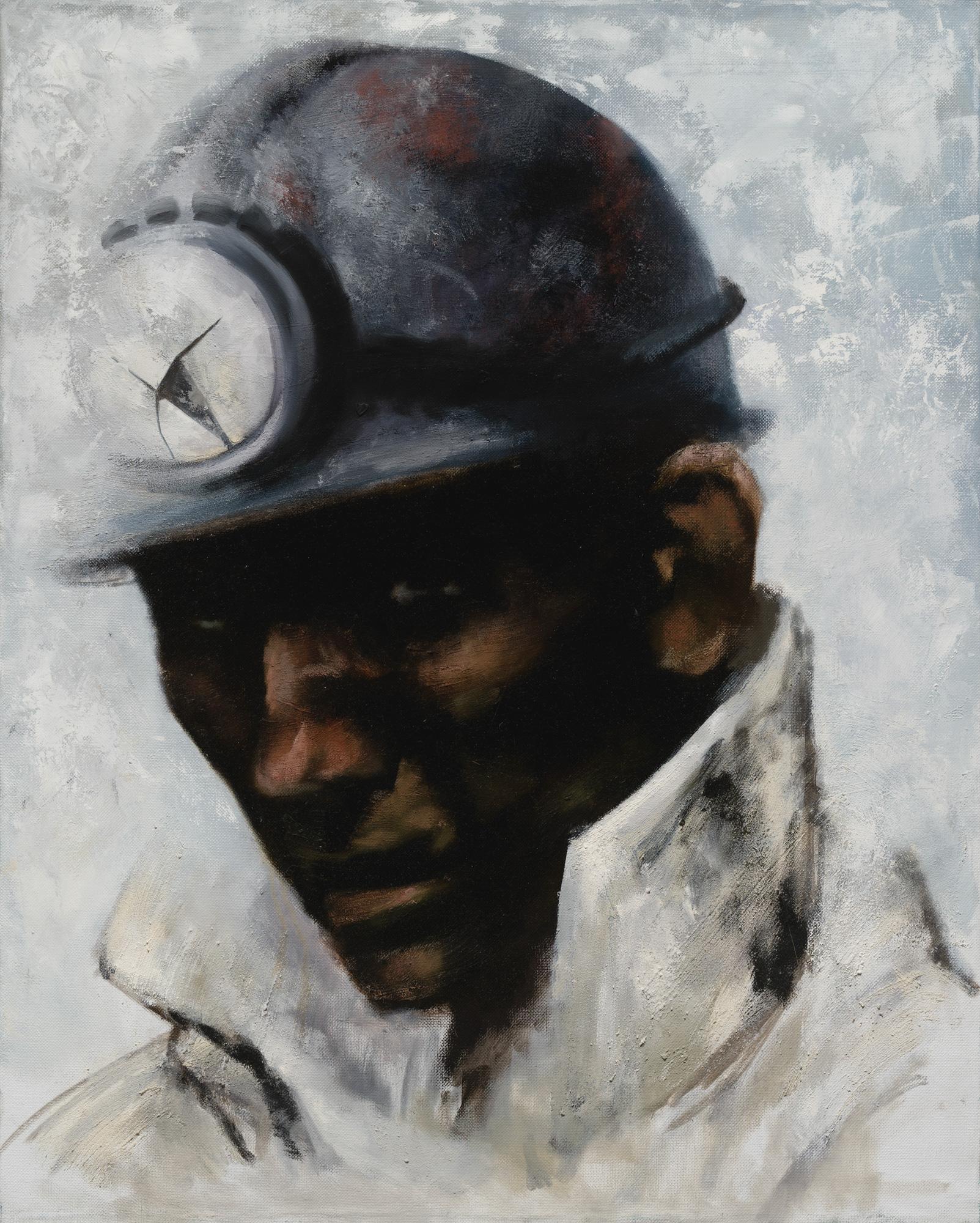
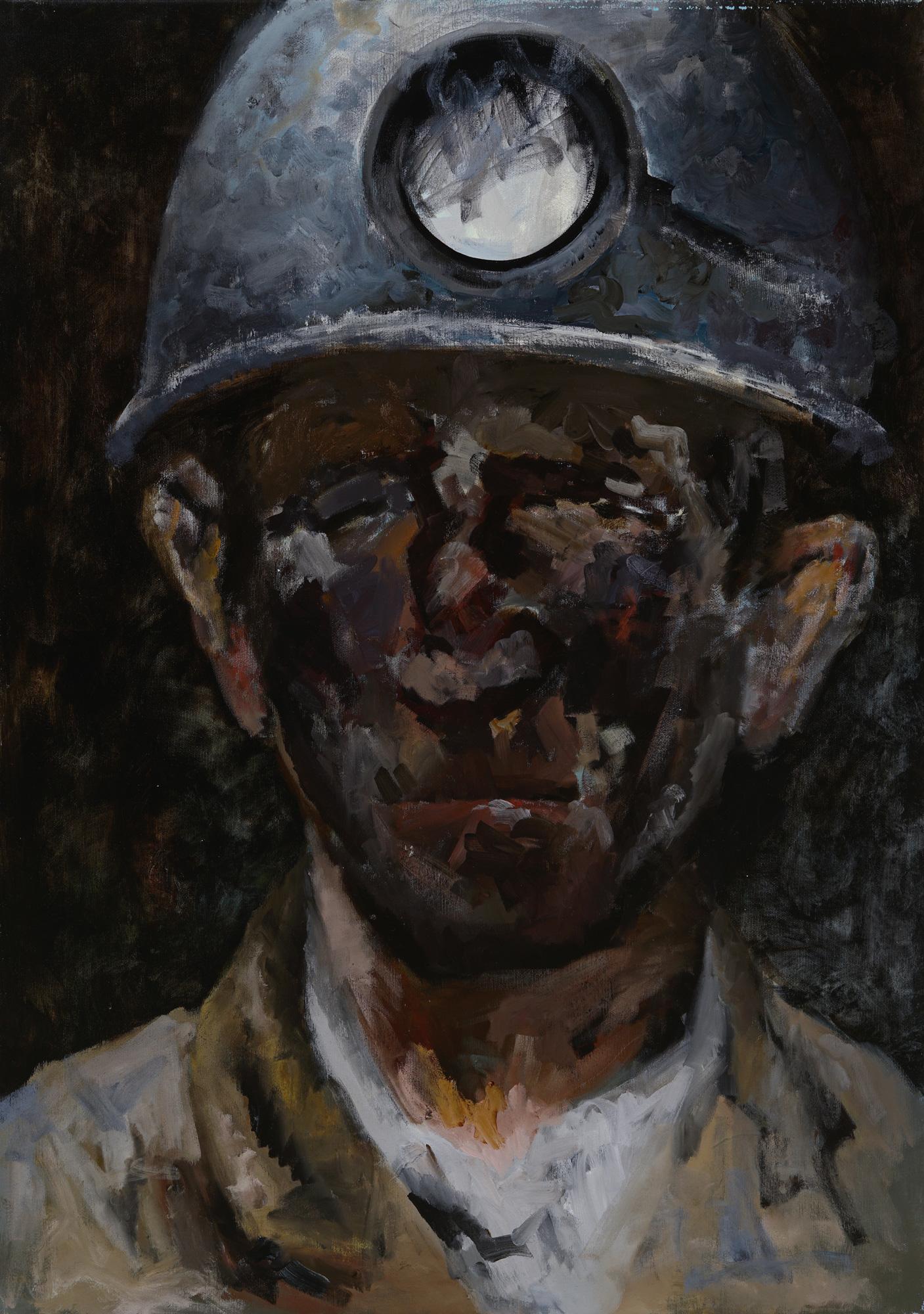
Working at the intersection of figuration, materiality, and psychological tension, Hungarian painter Dániel Czaga approaches the human figure as both a physical presence and an unstable image. Trained in St. Petersburg, he brings raw physicality and refined detail into carefully structured compositions.
His work pushes figurative painting into an uneasy contemporary territory, where figures seem suspended between observation and memory. Bodies emerge through dense, layered brushwork, shifting between presence and dissolution. Vigorous gestures, assured drawing, and an earthy palette give his figures a sense of weight and monumentality, while their ambiguity creates an underlying tension and instability.